


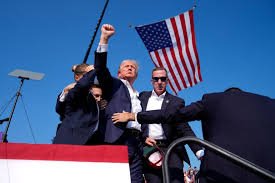
Political anxiety can be defined as a form of emotional distress that stems from one’s concerns about political events, government actions, or societal changes. This condition is increasingly common in contemporary society, particularly in an era characterized by hyper-polarization and rapid information dissemination through various media channels. Individuals experiencing political anxiety often find themselves preoccupied with political issues, leading to significant psychological effects. These effects can manifest as chronic worry, feelings of helplessness, or a sense of being constantly on edge.
The sources of political anxiety are multifaceted. One major factor is the pervasive influence of media, which often portrays political events in sensationalized ways. Constant exposure to news cycles focused on divisive topics can exacerbate feelings of helplessness and fear. Additionally, social dynamics, including the behavior and attitudes of peers and family members, can contribute to an individual’s anxiety levels. Engaging in discussions where differences in political opinions emerge can lead to interpersonal conflict, further heightening anxiety.
Moreover, in politically charged environments, individuals may also encounter a phenomenon known as the “outrage culture,” where strong emotional responses are elicited through social media platforms and public discourse. This environment can create feelings of isolation for those who may hold minority opinions or differ from the prevailing sentiment within their circles. The lack of a safe space to express political beliefs can lead to psychological distress, particularly if individuals fear social repercussions. Consequently, it is crucial to recognize the factors that contribute to political anxiety and acknowledge its implications on well-being. Understanding this issue will facilitate a more nuanced dialogue about coping strategies and support systems in addressing such anxiety in our increasingly polarized society.
The Roots of Polarization
Understanding the roots of political polarization requires a historical and sociopolitical lens through which we can examine the evolution of ideological divisions in contemporary society. Over the decades, significant shifts within the political landscape have contributed to heightened division among citizens. One of the most prominent factors has been the behavior of political parties, which has increasingly tended toward extremism, often driven by the need to appeal to their respective bases.
From the late 20th century into the present day, various key events have marked a drastic shift in the public’s political discourse. The rise of cable news networks in the 1980s, for example, allowed for niche programming that often catered to specific ideological viewpoints, reinforcing notions of ‘us versus them.’ This media evolution coincided with a broader trend of partisanship, where political affiliation began to supersede individual issues, creating an environment rife with polarized perspectives.
Interest groups also play a critical role in this polarization landscape. The formation of politically motivated organizations, often funded by substantial financial resources, has influenced the legislative process and public opinion. These entities advocate for specific policies and viewpoints, thereby creating echo chambers that discourage bipartisan dialogue. As a result, the average citizen is often left to navigate a political environment where compromise is perceived as weakness, further entrenching the divide.
Additionally, demographic changes and social movements have contributed layers of complexity to the polarization issue. The increasing diversity of the electorate, coupled with social justice movements advocating for marginalized communities, has strained traditional political alliances. This shift has led to a more contentious environment, where differing values can result in acute factionalism. Ultimately, the roots of polarization are deep-seated and multi-faceted, reflecting broader societal transformations that continue to shape the way we engage with politics.
The Impact of Social Media on Polarization
In recent years, social media has emerged as a significant force in shaping public opinion and political discourse. It plays a crucial role in the proliferation of political polarization through a variety of mechanisms. One of the most prominent factors is the algorithmic tailoring of content that social media platforms employ. These algorithms prioritize engagement, often leading users to encounter posts that reflect their existing beliefs while filtering out divergent viewpoints. This phenomenon not only amplifies individuals’ pre-existing biases but also creates echo chambers where dissenting opinions are rarely encountered.
Moreover, social media fosters the spread of misinformation, which can exacerbate divisions among different political factions. False narratives and misleading information can spread rapidly through sharing mechanisms, influencing public perception and catalyzing polarization. Users may trust information that confirms their beliefs more readily than fact-checked and balanced news sources. Consequently, this lack of critical engagement with diverse perspectives reinforces a binary view of complex political issues, pushing individuals further into entrenched positions.
For many users, their online social networks are composed predominantly of like-minded individuals, which perpetuates a sense of validation and correctness regarding their views. This dynamic not only stifles constructive dialogue but may also lead to hostility towards opposing perspectives. The fear of backlash for sharing differing opinions further discourages open discourse. As a result, social media not only reflects societal divisions but actively contributes to deepening them. Thus, understanding the mechanisms by which social media influences political polarization becomes essential for mitigating its impacts on democratic engagement and reducing societal tensions.
Political Anxiety in Daily Life
In contemporary society, political anxiety has become an increasingly prominent issue affecting individuals globally. The pervasive nature of political discourse, fueled by social media and constant news coverage, often exacerbates feelings of anxiety. Many individuals report experiencing heightened stress and unrest related to political events, which can negatively impact their mental health and interpersonal relationships.
One common manifestation of political anxiety is avoidance behavior. Individuals may choose to disengage from discussions surrounding political topics, fearing that expressing their views may lead to conflict or ostracism. This withdrawal can create feelings of isolation and exacerbate anxiety, as individuals begin to feel disconnected from their communities. For instance, a person might avoid family gatherings or social events where political discussions are likely to arise, resulting in strained relationships with loved ones.
On the other hand, some individuals confront their political anxiety by actively engaging in discussions and advocacy. While this approach can be empowering and facilitate connections with like-minded individuals, it can also heighten feelings of conflict and distress, particularly when encountering differing viewpoints. The tension from such interactions may lead to emotional fatigue, overshadowing the initial motivations for engagement. Those who confront their anxiety through activism often find themselves navigating a landscape fraught with uncertainty, which can further exacerbate their mental health challenges.
In conclusion, political anxiety significantly influences daily living for many individuals, manifesting through avoidance or confrontation. While both coping mechanisms are prominent, they come with varying consequences that can ultimately affect mental well-being and interpersonal dynamics. Acknowledging the impact of political anxiety and developing healthy coping strategies is crucial for fostering resilience in this politically charged environment.
Case Studies: Polarization in Different Countries
Political polarization is a complex phenomenon that manifests in diverse ways across different nations. Understanding these variations is crucial for identifying the roots of anxiety and discord within societies. One notable case is the United States, where political division is marked by a stark bifurcation along partisan lines. Issues such as immigration policy, healthcare reform, and climate change have deepened the divide, often resulting in heated confrontations during electoral cycles and public demonstrations. This polarization is further exacerbated by the influence of social media, which amplifies extreme viewpoints and fosters echo chambers that disconnect individuals from opposing perspectives.
In contrast, consider Sweden, where political polarization has been more subdued despite the rise of right-wing parties. While there is contention surrounding immigration policy and welfare distribution, the Swedish political landscape tends to emphasize consensus-building. The relatively high level of trust in public institutions and a strong social safety net contribute to a political climate less susceptible to extreme polarization. The engagement of multiple political parties in cooperative governance often helps mitigate levels of societal anxiety.
Taking a closer look at Brazil reveals a different manifestation of polarization influenced by historical inequalities and recent economic turmoil. The political climate has grown increasingly divisive, particularly during the lead-up to major elections. Issues of corruption, economic mismanagement, and social justice have polarized the electorate, leading to fears of violence in response to political dissent. The dynamics in Brazil illustrate how a country’s history and socio-economic conditions can interplay with political engagement and anxiety.
These case studies highlight that political polarization is not a one-size-fits-all issue. By examining various nations, we see that the causes and consequences of polarization can reveal much about their respective cultural and political landscapes. Understanding these differences is key to addressing the challenges posed by political anxiety in diverse settings.
Strategies for Coping with Political Anxiety
Political anxiety can significantly impact one’s mental well-being, particularly in an era marked by intense polarization. To effectively manage this anxiety, it is essential to adopt various coping strategies aimed at fostering resilience and a sense of agency.
One effective approach is mindfulness, which involves remaining present and aware of one’s thoughts and feelings without judgment. Practicing mindfulness can enable individuals to disengage from overwhelming emotions associated with political events. Techniques such as meditation, deep-breathing exercises, and guided imagery can help create a buffer against anxiety by promoting relaxation and reducing stress levels.
Informed decision-making also plays a crucial role in alleviating political anxiety. Staying informed is essential, but it is equally important to engage with reliable sources of information. By critically evaluating news outlets and seeking factual reporting rather than sensationalism, individuals can develop a clearer understanding of political issues. This understanding can diminish feelings of powerlessness and anxiety when confronted with complex political narratives.
Moreover, embracing diverse perspectives can provide valuable insights and mitigate anxiety. Engaging in discussions with individuals who hold different political views can challenge one’s assumptions and broaden their understanding of contentious issues. This practice not only fosters empathy but also equips individuals with the tools needed to navigate political discourse more effectively. Through active listening and respectful dialogue, one can cultivate a balanced perspective, which can be a powerful antidote to anxiety.
In conclusion, incorporating mindfulness techniques, making informed decisions, and seeking diverse viewpoints represent effective strategies for managing political anxiety. By actively engaging with these approaches, individuals can navigate the challenging landscape of today’s political climate with greater resilience and confidence.
The Role of Civics Education in Mitigating Polarization
Civics education plays a crucial role in addressing the challenges posed by political anxiety and polarization in contemporary society. By equipping students with the knowledge and skills necessary to navigate the complex landscape of political discourse, civic education fosters critical thinking, empathy, and constructive dialogue among individuals with differing viewpoints. These competencies are essential in an era where political divisions seem increasingly pronounced.
One of the primary objectives of civics education is to cultivate critical thinking skills. These skills enable individuals to analyze information, assess varying perspectives, and make informed decisions regarding political issues. By encouraging students to engage with diverse media sources and critically evaluate the motivations behind information dissemination, civics education empowers young people to approach political discussions with skepticism and open-mindedness. This ability to think critically is vital for reducing polarization, as it allows individuals to better understand the arguments and feelings of others.
Moreover, civics education emphasizes the importance of empathy in political conversations. By incorporating lessons on the history of civic engagement and social movements, educators can help students recognize the shared humanity that transcends political affiliation. This understanding fosters a sense of community and encourages dialogue based on mutual respect rather than antagonism. When individuals approach discussions with empathy, they are more likely to find common ground, bridging the gaps that political polarization creates.
Furthermore, promoting constructive dialogue across differences is an essential component of effective civics education. Teaching communication strategies that prioritize active listening and respectful disagreement can significantly mitigate contentious political engagements. Through practices like debates, group discussions, and collaborative projects, students learn to articulate their viewpoints while also valuing the opinions of others, thus creating a more inclusive political atmosphere.
In essence, civics education serves as a foundational element in combating political polarization. By instilling critical thinking, fostering empathy, and encouraging respectful dialogue, educational institutions can empower future generations to engage with the political landscape more thoughtfully and constructively, ultimately mitigating the pervasive anxiety surrounding contemporary political divisions.
Building Bridges: Encouraging Civil Discourse
In a politically polarized environment, fostering civil discourse becomes essential for community cohesion and mutual understanding. Engaging in difficult conversations can be challenging, yet it is a skill that can be cultivated through specific strategies. One effective method is active listening, which involves fully concentrating on the speaker, understanding their message, and responding thoughtfully. This approach allows individuals to feel valued and respected, facilitating a more productive dialogue.
Promoting empathy is another crucial strategy when addressing political differences. Participants in discussions should be encouraged to put themselves in each other’s shoes, acknowledging the emotions and experiences behind opposing viewpoints. By fostering an empathetic environment, individuals are more likely to find common ground, as they learn to appreciate the complexity of each other’s beliefs.
Finding common ground often entails identifying shared values or goals. Individuals from differing political backgrounds can benefit from focusing on issues that matter to both parties, such as education, healthcare, or community safety. Collaborative initiatives or joint problem-solving sessions can further enhance this sense of unity, transforming opposition into cooperation. Engaging local community groups or organizations that promote dialogue can also be instrumental in creating safe spaces where diverse opinions are not only tolerated but celebrated.
Ultimately, encouraging civil discourse requires a commitment from all involved to remain respectful, open-minded, and patient. Establishing ground rules for discussions—such as refraining from personal attacks and maintaining a focus on ideas rather than individuals—can help to create a more constructive atmosphere. Thus, by implementing these strategies, individuals and communities can work towards bridging divides and cultivating a more inclusive and respectful discourse.
Conclusion: A Path Forward
In closing, it is essential to recognize the intricate nature of political anxiety and polarization that currently characterizes our society. Through the exploration of the mechanisms fueling these phenomena, we understand that political anxiety can significantly impact individual well-being and societal cohesion. The tendency towards polarization not only deepens divisions but also complicates the nuances in political discourse. However, acknowledging this reality allows us to take proactive steps toward fostering a healthier political environment.
The path forward lies in personal responsibility. Each individual can contribute to diminishing political anxiety and polarization by striving for informed engagement. This includes seeking out diverse perspectives, critically examining information, and refraining from inflammatory rhetoric that can exacerbate tensions. Emphasizing empathy in our conversations can facilitate understanding across ideological divides, leading to more constructive discussions.
Furthermore, collective action plays a vital role in addressing the broader systemic issues that underpin polarization. Communities can come together to create forums for dialogue, promote civic education, and support initiatives that encourage bipartisan cooperation. Such efforts can empower citizens to feel more connected to one another, bridging gaps that political divisions have formed.
Ultimately, navigating political anxiety and polarization requires a commitment to nurturing a more empathetic political dialogue. By actively listening to and engaging with differing viewpoints, we can cultivate an environment that prioritizes collaboration over conflict. Together, we have the power to transform political discourse into a more constructive and inclusive arena, fostering a society characterized by understanding rather than division, which is essential for our democracy’s health.


