


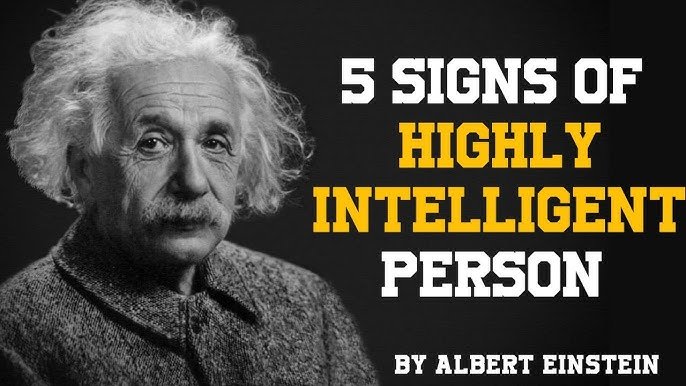
Intelligence is a multifaceted concept that extends beyond mere IQ scores, often encompassing a variety of cognitive abilities, emotional understanding, and practical skills. Traditionally, intelligence was primarily defined through standardized tests, which focused on analytical reasoning, mathematical proficiency, and linguistic capabilities. However, contemporary theories suggest that intelligence is far more complex, integrating diverse components such as emotional intelligence, creativity, and social acumen.
Emotional intelligence involves the capacity to recognize and manage one’s own emotions while effectively navigating the emotions of others. This aspect of intelligence plays a crucial role in interpersonal relationships and can facilitate better communication and collaboration in various settings. Similarly, social intelligence encompasses the ability to establish and maintain relationships, allowing highly intelligent individuals to maneuver social spaces adeptly and connect with others.
Practical intelligence is another vital component, reflecting the ability to apply knowledge and skills effectively in real-world situations. This type of intelligence enables individuals to adapt to new challenges, find innovative solutions, and make sound decisions based on situational awareness. Therefore, identifying highly intelligent individuals cannot rely solely on traditional measures, as their diverse capabilities manifest in different aspects of life.
Recognizing signs of high intelligence in everyday encounters is vital, as these individuals can contribute significantly to various environments, be it a workplace, educational institution, or community organization. Moreover, understanding these traits encourages the appreciation of diverse intelligences, revealing the myriad ways in which different types of intelligence can enhance collective progress and personal growth.
Sign 1: Curiosity and Inquisitiveness
Highly intelligent individuals frequently exhibit a profound curiosity about the world around them. This innate inquisitiveness compels them to ask questions and actively seek knowledge, distinguishing them from those who may be content with surface-level understanding. Their desire for information often leads them to probe deeper into various subjects, challenging established norms and ideas.
The characteristic of curiosity manifests in everyday situations in various ways. For example, a highly intelligent person might engage in conversations about topics ranging from science to philosophy, always eager to explore different perspectives. They often come prepared with insightful questions that stimulate enriching dialogue, which can provide them with a broad spectrum of viewpoints and insights. This propensity to inquire illustrates not only their thirst for understanding but also their willingness to learn from others.
The inclination to be curious also contributes to problem-solving abilities, as highly intelligent individuals are more likely to approach challenges with an open mind. They are inclined to consider innovative solutions, weaving together knowledge from disparate fields to arrive at effective outcomes. This synthesis of information speaks to their capacity for creative thinking and adaptability.
Thus, curiosity and inquisitiveness serve as foundational traits that characterize the highly intelligent, driving them toward continuous learning and engagement with the world, ultimately enriching their lives and the lives of those they encounter.
Adaptability and Flexibility
Highly intelligent individuals are often distinguished by their remarkable adaptability and flexibility. This adaptability is not a mere concession to changing circumstances; it reflects a deep-seated ability to reassess perspectives and refine thought processes when confronted with new information or unforeseen challenges. The capacity to adjust one’s approach or viewpoint is an essential trait of critical thinking that empowers these individuals to navigate complex situations effectively.
When faced with conflicting data or unexpected outcomes, intelligent people do not rigidly cling to established beliefs. Instead, they embrace flexibility, allowing themselves to modify their judgments based on the latest insights or findings. This responsiveness is particularly commendable in dynamic fields where rapid evolution is the norm. Professionals in technology, for example, continually reassess their strategies to incorporate innovative solutions, thereby enhancing their effectiveness in tackling contemporary issues.
Moreover, the flexibility of thought exhibited by highly intelligent people allows them to solve problems creatively. By exploring multiple pathways and potential solutions, they can arrive at novel resolutions that others may overlook. The ability to pivot one’s thinking not only leads to more innovative solutions but also promotes resilience in the face of adversity. When setbacks arise, adaptable individuals possess the foresight to adjust their plans and strategies without abandoning their ultimate goals.
This dichotomy of adaptability and intelligence becomes particularly beneficial within collaborative environments. Highly intelligent individuals often foster an atmosphere where diverse ideas can flourish, encouraging teamwork and collective problem-solving. Their openness to the input of others coupled with their own adaptability facilitates a constructive dialogue that can lead to more comprehensive solutions.
Strong Analytical Skills
One of the most distinct characteristics of highly intelligent individuals is their strong analytical skills. This ability allows them to evaluate complex information, identify patterns, and solve problems efficiently. Strong analytical skills encompass critical thinking, which plays a vital role in deriving logical conclusions from an array of data. Highly intelligent individuals are adept at dissecting situations to understand the underlying factors and implications, ultimately leading to better-informed decisions.
Critical thinking assists in avoiding cognitive biases, enabling intelligent individuals to analyze situations from multiple perspectives. By assessing various outcomes and weighing potential risks, they demonstrate restraint and adaptability when faced with challenges. This rational approach not only showcases their intelligence but also underpins successful decision-making in both personal and professional settings. For instance, in a business environment, a highly intelligent person may utilize analytical skills to assess market trends, evaluate product performance, or one could employ these skills to navigate interpersonal relationships effectively.
Moreover, strong analytical skills facilitate the ability to communicate clearly and persuasively. By presenting ideas and arguments backed by logical reasoning, intelligent individuals can engage others effectively while promoting understanding and collaboration. This is particularly advantageous in settings that value teamwork and advocacy, such as in educational institutions and corporate organizations.
In summary, the hallmark of strong analytical skills among highly intelligent individuals is their capacity to think critically and approach problems with a rational mindset. This characteristic not only enhances their decision-making abilities but also positions them as valuable assets in various environments, where comprehensive analysis and sound judgment are essential.
Sign 4: High Levels of Creativity
Creativity is often considered a hallmark of intelligence, and research has demonstrated a significant correlation between the two. Highly intelligent individuals possess an inherent ability to think outside the conventional parameters of thought, which allows them to devise unique solutions to complex problems. This creative approach is not limited to the arts; it permeates various fields, including science, technology, and even social dynamics.
One of the critical attributes of creative geniuses is their ability to connect disparate ideas to produce innovative concepts. For instance, Albert Einstein, renowned for his contributions to physics, frequently employed imaginative thought experiments. These creative methods enabled him to visualize abstract theories, such as relativity, and transform them into groundbreaking scientific principles. Similarly, Steve Jobs’s vision for Apple combined elements of design and technology to create products that revolutionized the tech industry. His ability to merge aesthetics with functionality epitomizes the creative problem-solving skills typical of highly intelligent individuals.
Moreover, creativity in intelligent individuals often manifests through their willingness to embrace failure as part of the learning process. They understand that setbacks provide valuable insights, which contribute to the generation of more effective ideas. This mindset fosters resilience, encouraging a continuous cycle of creativity where exploration and innovation can thrive.
Additionally, in the realm of art, figures like Leonardo da Vinci exemplify the blend of creativity and intelligence. Da Vinci’s multifaceted genius led to masterpieces in painting, anatomy, and engineering. His ability to visualize complex concepts and express them artistically showcases how intelligence and creativity are intertwined.
In summary, creativity is a powerful indicator of high intelligence, enabling individuals to transcend traditional boundaries and bring forth innovative ideas and solutions across diverse domains.
Sign 5: Empathy and Emotional Intelligence
Empathy and emotional intelligence play crucial roles in the lives of highly intelligent individuals, often countering the stereotype that intelligence is an expression of cold logic devoid of emotional depth. While traditional measures of intelligence focus largely on cognitive abilities, the integration of emotional intelligence highlights a more holistic understanding of one’s capabilities. Highly intelligent individuals tend to possess a profound capacity for empathy, allowing them to connect with others on a deeper level by understanding and responding effectively to their emotions.
This understanding of others’ feelings not only enriches interpersonal relationships but also enhances communication skills. Individuals with high emotional intelligence are adept at interpreting non-verbal cues and engaging in active listening, creating an environment where open dialogue thrives. Such skills enable them to navigate complex social dynamics, making them effective leaders and collaborators. The ability to empathize fosters a sense of trust and respect, which is invaluable in both personal and professional contexts.
Moreover, empathy empowers highly intelligent people to advocate for social causes, demonstrating concern for societal issues. By recognizing and feeling the emotions of others, they become potent agents of change, addressing injustices and working to improve their communities. The correlation between intelligence and emotional understanding not only debunks the myth of emotional detachment but also emphasizes the importance of nurturing these qualities in one’s personal development.
It is clear that emotional intelligence, often intertwined with cognitive prowess, defines a highly intelligent person. By cultivating empathy, these individuals enhance their ability to connect authentically with others, navigate social complexities, and ultimately contribute positively to society. In conclusion, emotional intelligence is a critical sign of a highly intelligent person, illuminating the interplay between intellect and emotional depth.
Implications of Recognizing Intelligence
Recognizing and understanding highly intelligent individuals comes with significant implications for both educational and professional settings. The acknowledgment of intelligence can serve as a pivotal factor in shaping personalized learning experiences that cater to the unique needs of gifted individuals. Educational institutions that prioritize the identification of intelligent learners can develop tailored curricula that foster their analytical and creative abilities. This individualized approach not only encourages academic excellence but also promotes self-confidence, which can resonate throughout a student’s personal and professional life.
Furthermore, nurturing such talent can lead to substantial benefits for society as a whole. Highly intelligent individuals often bring innovative ideas and problem-solving strategies that can address critical societal challenges. When these individuals are supported in their development, properly mentored, and provided with opportunities for growth, they are more likely to engage in meaningful contributions to their fields and communities. The potential impact can be transformative, resulting in technological advancements, scientific discoveries, and architectural masterpieces that reflect the apex of human intellect.
On a corporate level, organizations that recognize and harness the skills of highly intelligent employees benefit from enhanced productivity and creativity. Intelligent individuals often think outside the box, offering unique perspectives that may lead to innovative solutions that traditional methodologies may overlook. Thus, it is crucial for employers to create environments that encourage intellectual freedom and collaboration, allowing these individuals to thrive.
In conclusion, the broader implications of recognizing intelligence extend beyond individual success. Both educational institutions and workplaces have the opportunity to cultivate environments that nurture highly intelligent individuals, ultimately resulting in substantial advancements for society at large. By valuing and supporting these unique talents, they can pave the way for a brighter, more innovative future.
Common Misconceptions About Intelligence
Intelligence is often interpreted through a narrow lens, leading to the formation of various misconceptions that can distort public understanding. One prevalent myth is the stereotype of the socially awkward genius. This characterization suggests that individuals with high intelligence lack basic social skills, relegating them to a life of solitude and exclusion. In reality, many highly intelligent people exhibit a wide array of social competence, navigating interpersonal relationships effectively. The notion that intelligence is synonymous with social ineptness does a disservice to the multifaceted nature of human intelligence.
Another common misconception regards elitism. Society frequently associates high intelligence with a sense of superiority, fostering the belief that intellectually gifted individuals look down on others. However, intelligence does not inherently confer a sense of entitlement or value judgment over others’ capabilities. Many intelligent individuals recognize the value of diverse perspectives and understand that intelligence manifests in various forms, including emotional, social, and practical intelligence.
There also exists a tendency to equate intelligence strictly with academic success. This view overlooks the significance of creativity, critical thinking, and problem-solving skills, which are essential components of intelligence. Additionally, a person might display exceptional intelligence in a specific domain, such as the arts or hands-on skills, yet face challenges in traditional academic environments. By broadening our definition of intelligence, we acknowledge the plethora of talents that individuals can possess.
Lastly, another myth is the idea that intelligence is static and unchangeable. Intelligence can be developed and nurtured over time through experience and learning. Many highly intelligent individuals continuously seek knowledge and engage in lifelong learning, showcasing the dynamic nature of intelligence itself. Dispelling these misconceptions reinforces the realization that intelligence is diverse and can manifest in numerous ways across different individuals.
Conclusion and Final Thoughts
In evaluating the signs of a highly intelligent person, it becomes evident that intelligence is a multifaceted concept, extending beyond conventional assessments such as IQ tests and academic achievements. Throughout this discussion, we have explored various characteristics that typify intelligent individuals, including their curiosity, ability to embrace complexity, keen observational skills, emotional intelligence, and adaptability in the face of change. Each of these traits reveals a different angle of intelligence, suggesting that it is not a singular trait but rather a combination of qualities that can manifest in diverse forms.
Recognizing these signs within ourselves and others is crucial, as it allows us to appreciate the unique ways intelligence can present itself. Moreover, it encourages a broader understanding of intellect that values creativity, problem-solving abilities, and interpersonal skills, rather than focusing solely on academic capabilities. This recognition can foster a more inclusive environment, where various forms of intelligence are acknowledged and nurtured.
Ultimately, the true essence of intelligence lies in its diversity. Hence, as we assess the characteristics of highly intelligent individuals, it is important to remember that intelligence is not a contest; rather, it is a spectrum where every person possesses unique strengths and qualities. Embracing this understanding may encourage empathy and collaboration, enhancing our capacity to learn from one another. In conclusion, let us celebrate the signs of intelligence, both within ourselves and in those around us, as we continue to grow and evolve in our understanding of what it means to be intelligent.


