


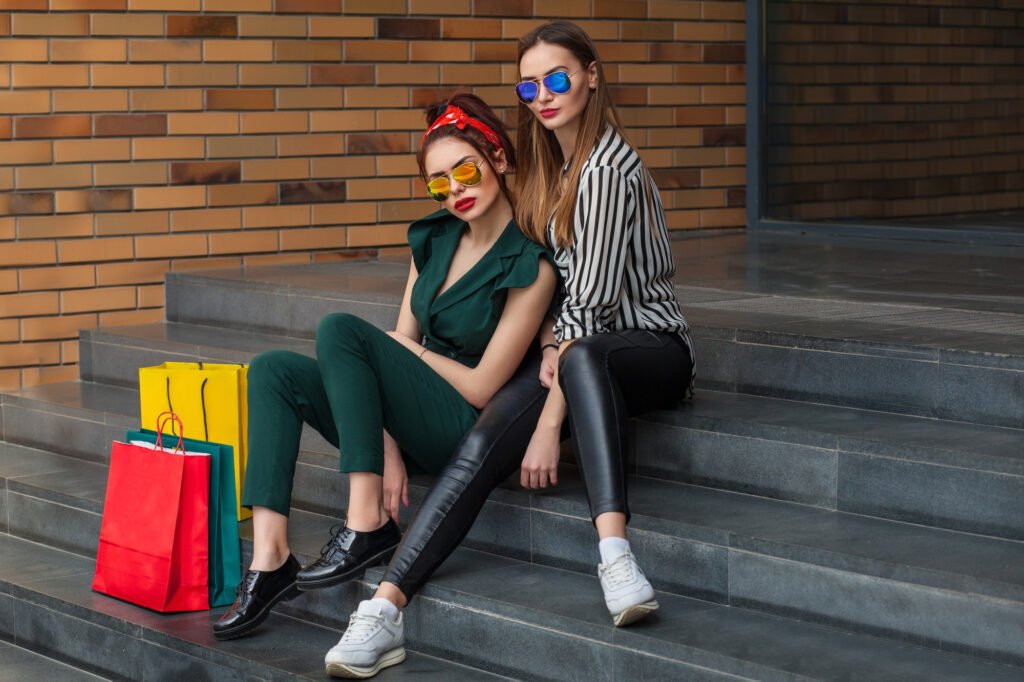
Fashion Trends for 2026
The fashion landscape for 2026 is poised to be significantly influenced by a confluence of sustainability, technological advancements, and luxury aesthetics. As we delve into this dynamic evolution, it becomes evident that the past few years have served as a crucial foundation for shaping these emerging trends. The global dialogue surrounding climate change and ethical consumerism has catalyzed a shift towards sustainable fashion practices, which are now seen as a necessity rather than a choice. Designers and brands are increasingly prioritizing eco-friendly materials and ethical production processes, which cater not only to consumers’ desires for quality but also their inclination towards environmentally responsible choices.
Moreover, technology continues to redefine the framework within which the fashion industry operates. Innovations such as artificial intelligence, augmented reality, and blockchain are transforming the ways designers create, produce, and market their collections. Categories such as digital couture are experiencing an upsurge, inviting consumers to engage with fashion in unique and unprecedented ways. Virtual fashion shows and the growing prevalence of digital garments speak to the changing definitions of luxury and exclusivity in an increasingly interconnected world.
Furthermore, the hallmark of luxury fashion in 2026 will be characterized by its ability to harmonize both traditional craftsmanship and the modern consumer’s ethos. Stylish, sustainably sourced clothing options are increasingly becoming the standard for luxury brands, appealing to a demographic that is conscious of their fashion choices. The integration of cutting-edge technology into luxury design not only enhances creativity but also provides consumers with more personalized shopping experiences. As we explore the specific trends shaping the upcoming year, the intersection of sustainability, technology, and luxury will undoubtedly play a pivotal role in influencing fashion narratives around the globe.
The Rise of Sustainable Luxe
In recent years, the intersection of fashion and sustainability has gained considerable traction, spearheading a movement towards what is now often referred to as “sustainable luxe.” This trend encapsulates the fusion of high-end fashion with eco-friendly practices, prioritizing ethical production methods and the use of sustainable materials. As consumers grow increasingly aware of environmental issues, there is a marked shift in demand that encourages luxury brands to adopt greener practices.
Leading luxury fashion houses are now exploring innovative approaches to reduce their environmental footprint. This involves the implementation of sustainable sourcing strategies, where materials such as organic cotton, recycled polyester, and cruelty-free alternatives are favored over conventional textiles. Notably, brands are also focusing on the life cycle of their products, encouraging repair, reuse, and recycling to minimize waste.
Furthermore, ethical labor practices have emerged as a critical component of the sustainable luxe narrative. Consumers are now scrutinizing the practices behind their purchases, seeking transparency in labor conditions and supply chains. Luxury brands are responding by ensuring that workers are treated fairly and receive good wages, thereby enhancing the overall integrity of their offerings.
The demand for transparency extends beyond labor practices; consumers are also interested in the traceability of materials. They want to know the origin of the products they purchase and are supportive of brands that provide detailed information about their sourcing practices. Consequently, this trend not only fosters loyalty among environmentally conscious consumers but also invites an era of accountability within the luxury fashion sector.
As we look towards 2026, the importance of sustainable luxe is clear. This trend represents more than just a fleeting preference; it embodies a fundamental shift in consumer priorities that is reshaping the landscape of luxury fashion.
Digital Couture: The Intersection of Fashion and Technology
Digital couture represents a revolutionary movement within the fashion industry, blending the realms of creativity with advanced technology. As designers and brands increasingly embrace technological innovations, the fashion landscape is evolving into a more interconnected and immersive experience. Virtual fashion shows have emerged at the forefront, allowing designers to showcase their collections to global audiences without the restrictions of physical venues. These shows not only reduce costs and environmental impact but also provide unique interactions for viewers.
Along with virtual presentations, the adoption of digital clothing is gaining momentum. This trend allows consumers to purchase outfits intended for virtual use, which can be worn in social media and gaming platforms. The emergence of platforms that facilitate the sale of virtual wardrobes signifies a shift toward sustainable practices, where clothing consumption can occur without the material constraints associated with traditional fashion. This integration of virtual clothing underscores the fashion industry’s responsiveness to evolving consumer preferences and the growing importance of online presence.
Furthermore, the impact of augmented reality (AR) and virtual reality (VR) technologies on the fashion industry cannot be overstated. These technologies allow consumers to try on clothing virtually, thus enhancing the shopping experience by granting a realistic preview of how different styles will fit. Retailers are leveraging AR to create personalized marketing strategies, making the shopping process more engaging and interactive. From 3D virtual fitting rooms to immersive displays, fashion retailers are redefining how consumers engage with brands.
As the merger between fashion and technology continues to deepen, digital couture stands as a testament to the industry’s adaptation. The implications of these changes reach far beyond aesthetics, reflecting a commitment to innovation and sustainability that could very well shape the future of fashion.
Inclusivity and Diversity in Fashion
In recent years, the fashion industry has witnessed a significant shift towards inclusivity and diversity, emerging as a cornerstone of modern fashion trends. Brands have increasingly recognized the necessity of reflecting the diverse society in which they operate, leading to more inclusive design and marketing strategies. This evolution aims to celebrate all forms of beauty, moving beyond traditional paradigms that often limited representation.
Designers and brands are now prioritizing a broader range of body types, making strides to offer sizes that cater to the average consumer. Rather than adhering to a one-size-fits-all mentality, the industry is embracing body positivity by creating attire that accommodates various physical forms. This shift not only boosts consumer confidence but also acknowledges the importance of representation in fashion narratives. From runway shows to advertising campaigns, diverse body types are now celebrated, sending a powerful message about acceptance and individuality.
Furthermore, the notion of inclusivity extends beyond body size to encompass ethnicity, gender identity, and age. Emerging brands are increasingly adopting multicultural perspectives, drawing inspiration from a rich tapestry of cultural backgrounds. This is reflected in product designs, promotional materials, and collaborative projects, which often highlight individual stories and experiences. Additionally, many fashion houses are launching gender-neutral collections, challenging traditional gender binaries and promoting a more fluid interpretation of self-expression.
This progressive stance on inclusivity and diversity doesn’t just benefit consumers; it also enhances brand loyalty as customers increasingly seek to align themselves with companies that reflect their values. As a result, the future of fashion in 2026 appears to be not only more varied in terms of style and aesthetics but also more representative of the world’s vast cultural landscape. By prioritizing inclusivity and diversity, the fashion industry is moving towards a more equitable and sustainable future.
The Influence of Streetwear on High Fashion
In 2026, the interplay between streetwear and high fashion has become increasingly pronounced, redefining how luxury is perceived and articulated. Streetwear, which emerged from urban subcultures, has successfully infiltrated the realms of haute couture, blurring the lines between casual aesthetics and premium quality. As styles evolve, the influence of streetwear is manifest in the design choices of high-end brands, as they adopt relaxed silhouettes, bold graphics, and unapologetically casual elements.
This trend is exemplified by the numerous collaborations between streetwear labels and prestigious fashion houses. Such partnerships not only bring an avant-garde edge to luxury fashion but also serve to democratize high fashion. Major brands now actively seek to appeal to a broader audience, leveraging the accessibility of streetwear to attract younger consumers. These collaborations typically fuse street-inspired graphics with luxurious materials, creating pieces that resonate with both the streetwear faithful and high fashion aficionados.
Moreover, consumer perceptions of prestige have greatly shifted in recent years. No longer is exclusivity defined solely by price tags or traditional craftsmanship. Instead, the mainstream acceptance of streetwear has influenced how luxury is represented, inviting a sense of authenticity and relatability that luxury brands aim to embody. This shift reflects a growing appreciation for wearability and comfort over rigid adherence to traditional fashion rules.
As we look further into 2026, the ongoing fusion of streetwear and high fashion suggests a promising evolution, where luxury does not sacrifice comfort or accessibility. The realm of fashion is set to embrace a diverse set of influences, proving that creativity knows no boundaries, whether in the streets or on the runways.
Color and Fabric Trends for 2026
As we look ahead to 2026, color and fabric trends are expected to reflect a blend of sustainability and innovation, shaped by our cultural zeitgeist and societal pressures. The anticipated color palettes are anticipated to balance vibrant hues with muted tones, creating a sense of harmony and versatility.
Primarily, shades of green, blue, and earth-toned neutrals are being embraced, reflecting a growing awareness of environmental issues and a call towards sustainable fashion. This shift signifies a transition to fabrics that not only appeal aesthetically but are also biodegradable and produced with minimal environmental impact. Additionally, as digital technology becomes increasingly ingrained in our lives, colors reflecting the digital realm, such as neon accents and iridescent shades, are likely to emerge, bridging the gap between the physical and virtual worlds.
Fabric choices in 2026 will focus significantly on eco-friendly materials. Organic cotton, hemp, and recycled synthetics will become staples in wardrobes, driven by demand for greater transparency and innovation in textile manufacturing. Moreover, advancements in sustainable dyes and treatments will contribute to a broader palette, allowing for vibrant, long-lasting colors without compromising ecological integrity.
The influence of cultural events and social movements cannot be overlooked; as communities rally for equality and representation, colors may also symbolize solidarity and diversity. Textiles that feature patterns inspired by traditional crafts from around the globe can foster a connection to heritage while promoting ethical fashion practices. The merging of technology and textiles, through smart fabrics or digitally-printed designs, will further dictate style developments.
In conclusion, the color and fabric trends of 2026 are set to reflect a complex interplay of sustainability, innovation, and cultural awareness, paving the way for a fashion landscape that values both aesthetic appeal and ethical responsibility.
The Influence of Social Media on Fashion Trends
In recent years, social media has emerged as a powerful catalyst for shaping and spreading fashion trends. Platforms such as Instagram, TikTok, and Pinterest have transformed how brands communicate with consumers and how consumers interact with fashion. These digital spaces allow for immediate visibility of trends, enabling ideas to go viral, which significantly affects consumer behavior. Fashion influencers and content creators curate and share styles that resonate with their followers, serving as trendsetters in the digital age.
The role of influencers cannot be overstated; they often have dedicated audiences that trust their opinions, leading to a direct impact on purchasing decisions. When an influencer showcases an outfit or a specific product, it is not uncommon for that item to see a surge in demand. This phenomenon highlights the critical intersection of fashion and social media, where trends can emerge and disappear within days, depending on online engagement and responses.
Moreover, the rise of user-generated content has also contributed to democratizing fashion. Consumers are no longer passive recipients but instead become active participants, sharing their interpretations of trends and brands. This shift has encouraged more inclusive representation within the fashion industry, allowing diverse voices and styles to gain recognition. Consequently, brands are increasingly aware of the necessity to align their marketing efforts with social media strategies to capture attention and remain relevant.
Brand engagement on social media is now essential in the fashion industry. Digital marketing strategies focusing on social media platforms provide brands with direct insights into consumer preferences, enabling them to tailor their offerings. To thrive, fashion labels must embrace this ever-evolving landscape, fostering a dialogue with consumers that extends beyond traditional advertising methods.
Future Fashion Retail: The Physical and Digital Blend
The retail landscape within the fashion industry is undergoing a significant transformation, driven by the imperative to integrate both physical and digital experiences. As consumer behavior shifts towards the convenience of online shopping, traditional brick-and-mortar stores are adapting by enhancing their in-store experiences through digital innovations. This evolution is not merely a response to changing consumer preferences, but a strategic necessity to remain competitive in an increasingly digital world.
One of the most profound shifts is the adoption of Artificial Intelligence (AI) technologies within physical stores. Fashion retailers are using AI to provide personalized shopping experiences. For instance, AI-driven applications equipped with data analytics allow retailers to offer tailored recommendations based on customer preferences and purchasing history. This personalization not only enhances customer satisfaction but also fosters brand loyalty, as consumers feel more connected to brands that understand their needs.
In addition to personalization, the concept of experiential retail is rising in prominence. Forward-thinking fashion retailers are creating immersive shopping environments that blur the lines between physical and digital experiences. By utilizing augmented reality (AR) and virtual reality (VR), these stores enable customers to visualize how clothes will look on them without physically trying them on. Such innovations elevate the shopping experience, making it more engaging and interactive.
Moreover, the fusion of e-commerce with brick-and-mortar stores is facilitating a seamless shopping journey. Initiatives such as click-and-collect enable customers to order online and pick up in-store, merging convenience with the tactile experience of shopping. This integration enhances operational efficiency and provides retailers with valuable insights into consumer behavior, informing future strategies.
As the fashion retail industry continuously adapts to these technological advancements, it is clear that the future will see a harmonious blend of physical presence and digital functionality, reshaping how consumers engage with fashion brands.
Conclusion: The Future of Fashion Beyond 2026
As we reflect on the fashion trends predicted for 2026, it becomes evident that the industry is on the brink of transformative changes. The emphasis on sustainability, digitalization, and personalized experiences is not merely a response to current consumer demands, but a foundational shift that could reshape the essence of fashion itself. Brands that prioritize eco-friendly practices are likely to thrive as consumers increasingly seek transparency and accountability in their purchasing decisions.
Moreover, the rise of digital couture signifies a fascinating intersection between technology and fashion, allowing designers to explore innovative formats and virtual experiences. This trend may redefine not only how garments are designed and consumed but also how collections are showcased and marketed. Virtual fashion shows and social media-driven campaigns are projected to make fashion more accessible, blurring the lines between high fashion and everyday wear.
These evolving dynamics pose unique challenges and opportunities for future designers. They must navigate the complexities of sustainable materials and ethical production while harnessing technology to enhance their creative expression. Consumers, too, will play a pivotal role in shaping this future; their choices will influence which trends endure and which fade away. As the fashion ecosystem adapts, collaboration across sectors—between designers, manufacturers, and consumers—will be crucial in fostering an inclusive environment that celebrates diversity in style and sustainability.
In conclusion, the anticipated trends of 2026 signal a turning point for the fashion industry. The call for sustainability, the integration of technology, and the commitment to ethical practices are not merely passing fads. Instead, they represent a collective movement toward a more conscientious fashion landscape. As we look beyond 2026, it will be essential for all participants in the fashion arena to remain vigilant and adaptable, ensuring that we craft a future that respects our planet and elevates diverse voices within the industry.


