


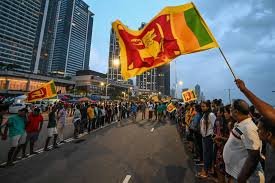
Protests in Sri Lanka
The protests that have recently erupted across Sri Lanka have captured international attention, stemming from a profound and pressing discontent among the populace. Major cities, including Colombo and Kandy, have become focal points of demonstrations, with thousands of citizens joining in solidarity to voice their grievances. The underlying factors contributing to this unrest are multifaceted, encompassing economic hardship, political dissatisfaction, and a palpable sense of disillusionment among the Sri Lankan people.
In recent months, Sri Lanka has faced an unprecedented economic crisis, characterized by soaring inflation rates and a devaluation of its currency, which has severely impacted the cost of living. Essential goods such as food, fuel, and medicine have experienced sharp price increases, leading to widespread hardship for families across the nation. Amidst these challenges, the government’s response has been perceived as inadequate, fostering anger and frustration among citizens. Many individuals believe that the leadership has failed to address the root causes of these issues, further fueling the desire for change.
Moreover, public sentiment has shifted towards demanding accountability and better governance. The protests are not merely a reaction to immediate economic grievances; they signify a broader call for a systemic change within the political framework of Sri Lanka. Participants assert their hopes for a transparent government that prioritizes the welfare of its citizens. The urgency of the situation is evident in the daily gatherings and protests that persist, reflecting a collective determination to seek solutions to the ongoing crisis.
Overall, the protests in Sri Lanka represent a significant moment in the country’s socio-political landscape. As the situation develops, it becomes imperative to understand the motivations behind the unrest and the potential implications for the nation’s future.
Historical Background of Sri Lanka’s Political Climate
Sri Lanka has a rich and tumultuous political history characterized by significant instances of civil unrest and governmental struggles. The roots of the current political discontent can be traced back to the colonial period, when Ceylon, as Sri Lanka was then known, was under British rule. This era sowed the seeds of ethnic division, particularly among the Sinhalese and Tamil communities, which would erupt into conflict in the following decades.
After gaining independence in 1948, the nationalistic policies adopted by successive governments favored the Sinhalese majority, resulting in disaffection among the Tamil minority. Tensions escalated in the 1980s, leading to a protracted civil war that lasted for nearly 26 years. The conflict, which resulted in significant loss of life and displacement of populations, formally ended in 2009 but left deep scars within the society.
The post-war period saw the promise of reconciliation and development, yet political corruption, economic mismanagement, and authoritarian tendencies within the government often prevailed. The gap between the political elite and the general populace widened, as basic needs such as education, health care, and infrastructure were neglected. Economic policies became increasingly volatile, culminating in the devastating economic crisis of 2022, which exacerbated public dissatisfaction.
In recent years, successive governments have struggled to address issues stemming from both earlier civil unrest and the resulting economic conditions. The lack of effective governance and accountability has resulted in numerous protests, with citizens voicing their frustration over rising living costs, unemployment, and diminishing public services. The historical context of Sri Lanka’s political landscape is crucial for understanding the current unrest, reflecting a culmination of grievances that have been festering for decades.
Key Issues Driving the Protests
The current wave of protests in Sri Lanka is primarily sparked by deep-seated economic difficulties that have significantly affected the daily lives of citizens. The country is grappling with soaring inflation, which has resulted in unprecedented increases in the cost of living. Basic necessities such as food, fuel, and medicine have become increasingly unaffordable for a large segment of the population. The economic crisis has led many to demand accountability from their leaders, pointing towards governance failures as a critical factor contributing to this distress.
Governance issues have emerged as another major grievance among the protesting citizens. Many view the current administration as ineffective and corrupt, lacking the transparency and responsiveness necessary to address the challenges faced by the populace. Allegations of mismanagement and misconduct have raised serious questions regarding the commitment of those in power to uphold democratic principles and serve the best interests of the nation. The perceived disconnect between the government and the citizens has fueled a sense of disillusionment, prompting widespread calls for reforms and greater political accountability.
Moreover, civil rights concerns have also played a significant role in mobilizing Sri Lankans to take to the streets. Many activists and citizens express strong discontent over perceived violations of fundamental rights, including the suppression of free speech and the right to protest. As citizens become increasingly aware of their rights and the importance of civic engagement, they demand not only economic stability but also a restoration of their civil liberties. This combination of economic, governance, and civil rights issues has created a potent catalyst for national unrest, reflecting the urgent need for comprehensive change and reform in Sri Lanka.
The Impact of Economic Challenges on Social Unrest in Sri Lanka
The ongoing economic crisis in Sri Lanka has become a significant catalyst for the widespread protests across the nation. The interplay of soaring inflation, rising unemployment rates, and severe shortages of essential goods has collectively undermined the welfare of the populace and fueled public discontent. Inflation, which has reached alarming levels, has drastically eroded purchasing power, making basic necessities increasingly unaffordable for many households. Food prices have surged remarkably, with staples like rice and vegetables becoming luxury items for the average citizen.
Unemployment adds another layer of complexity to the situation; as businesses struggle to stay afloat amidst escalating costs and dwindling resources, job losses have mounted. The lack of stable employment exacerbates the sense of hopelessness among the youth in particular, many of whom are disillusioned by the steep challenges they face in securing their futures. This sense of economic instability often translates to social unrest, as frustrated citizens take to the streets to voice their grievances.
Moreover, the shortages of essentials, including fuel and medicines, have rendered daily life a struggle. The scarcity of resources has not only impeded personal well-being but has also stalled economic activity, further entrenching the cycle of hardship. The protests therefore represent more than mere expressions of dissatisfaction; they embody an urgent call for government accountability and action against the persistent economic mismanagement. In light of these compounding issues, the government’s response – or lack thereof – will likely shape not only the future landscape of Sri Lanka but also the fate of its citizens in the face of this expansive economic crisis.
Government Response to the Protests
In the wake of the escalating protests in Sri Lanka, the government has implemented a variety of measures aimed at addressing the unrest. One of the primary actions taken by authorities has been the mobilization of law enforcement agencies, tasked with maintaining order during moments of civil disobedience. Security forces have been deployed in strategic locations to manage crowds and deter violent outbreaks. This has sparked discussions regarding the balance between public safety and the right to peaceful assembly, which is enshrined in the constitution.
In conjunction with law enforcement measures, the government has issued several public statements in an attempt to communicate its stance on the protests. Officials have expressed their commitment to addressing the root causes of dissatisfaction among citizens. High-ranking members of the government have acknowledged the economic challenges faced by the populace, including soaring inflation and shortages of essential goods. However, critics argue that these statements have often lacked actionable commitments, contributing to an atmosphere of skepticism among protesters.
Furthermore, the government has initiated dialogues with various stakeholders, including civil groups and opposition leaders, aiming to address the demonstrators’ grievances. These discussions have been perceived as a step towards understanding the citizens’ plight; however, skepticism remains regarding the sincerity and effectiveness of such efforts. Many protesters feel that tokens of engagement do not adequately reflect the urgent need for comprehensive reforms. The effectiveness of the government’s responses to the protests remains a contentious issue, as citizens continue to demand tangible changes that would alleviate their struggles. The situation in Sri Lanka exemplifies the challenges faced by governments in responding to widespread unrest, highlighting the importance of evaluating policy actions in relation to public sentiment.
International Reaction and Support
The ongoing protests in Sri Lanka have drawn attention from various factions of the international community, eliciting a range of responses that underscore the global implications of the unrest. Foreign governments have closely monitored the situation, with some issuing statements calling for restraint and dialogue between the protesters and the Sri Lankan government. For instance, democratic nations have expressed concern over the use of force against peaceful demonstrators, emphasizing the need for upholding human rights and restoring democratic norms.
In addition to government responses, international organizations have also been vocal regarding the situation in Sri Lanka. The United Nations, through its spokesperson, has highlighted the importance of addressing the root causes of the protests, particularly economic distress and governance issues. Furthermore, the organization has reiterated its readiness to assist in facilitating dialogue aimed at achieving a peaceful resolution. Such endorsements from influential bodies underscore the potential for international mechanisms to promote accountability and human rights in Sri Lanka.
Moreover, global civil society has rallied in support of the Sri Lankan people. Numerous international NGOs have mobilized resources to support peaceful demonstrations and to document instances of human rights violations. Campaigns advocating for international advocacy and awareness have emerged, aiming to keep the plight of Sri Lankans at the forefront of global discussions. Social media platforms have become vital channels for protesters, allowing messages of solidarity and support to resonate across borders.
This collective reaction from various segments of the international community demonstrates not only concern for the Sri Lankan populace but also a broader commitment to promoting democratic values and human rights globally. As the protests continue, the role of the international community in providing support and advocating for change remains crucial in shaping the future of Sri Lanka.
Impact of Social Media on Mobilization
The role of social media in the mobilization of protests has become increasingly significant in recent years. In the context of Sri Lanka, platforms such as Twitter, Facebook, and Instagram have been utilized effectively to organize and amplify public demonstrations. The immediacy and accessibility of these platforms enable protesters to mobilize rapidly, spreading awareness about events and ongoing issues in real-time.
One of the primary ways social media impacts mobilization is through information dissemination. Users share content related to the protests, including graphics, videos, and personal testimonials that highlight grievances and demands. This not only informs a broader audience but also allows individuals who may not be physically present to engage with the cause, thereby expanding community reach. Hashtags related to the protests can quickly trend, drawing attention from both local and global communities.
Moreover, social media serves as an organizational tool for real-time coordination. Protesters can use these platforms to share meeting points, logistical details, and updates on crowd movements. Instant messaging applications, often linked to social media, enhance communication among participants, allowing for strategic planning and rapid adjustments based on the evolving landscape of the protests. Such organization is crucial in maximizing turnout and ensuring a united front against the issues at hand.
In addition to mobilization, social media plays a vital role in documenting events as they unfold. Videos and live streams provide eyewitness accounts of the protests, giving authenticity to participants’ experiences and the overall movement. This documentation not only serves to preserve the history of the protests but also works as a tool for accountability, bringing attention to any abuses perpetrated by authorities during these events.
Voices from the Streets: Personal Accounts
The ongoing protests in Sri Lanka have given rise to a multitude of personal stories, each reflecting the unique struggles and aspirations of the citizens involved. From students to working professionals, the streets have become a canvas on which a diverse array of voices share their experiences. One young university student, Priya, described how the economic hardships have forced her to reconsider her future. She states, “I used to believe in the promise of education as a path to a better life. Now, I struggle to afford basic necessities. The protests are not just about political change; they are about our survival as a community.”
Another protestor, an elderly man named Rajiv, highlighted the loss of hope among the older generation. “We have seen our country face challenges before,” he shared. “But this time it feels different. The anger in the streets is palpable because people feel betrayed by their leadership. We want to reclaim our dignity and pave a better way for our children and grandchildren.”
Moreover, the motivations behind the protests are not limited to economic factors. A mid-career professional, Elina, expressed her frustration with the government’s lack of transparency and accountability. She remarked, “We are here to demand not just change, but a government that prioritizes the welfare of its people. The corruption and mismanagement have gone too far. We deserve better.”
The accounts of those participating in the protests reveal a collective yearning for a voice in the governance of their nation. With widespread participation from various demographics, it is evident that the unrest is fueled by a combination of social, economic, and political grievances. These voices are essential as they underscore the human aspect of the protests, emphasizing that beneath the surface of conflict lies a deep desire for justice and improvement in the lives of ordinary citizens.
Looking Ahead: What the Future Holds for Sri Lanka
The ongoing protests in Sri Lanka mark a significant moment in the nation’s history as citizens voice their grievances against perceived governmental inadequacies. As these demonstrations evolve, it is crucial to speculate on their potential outcomes and the broader implications for both Sri Lankan society and governance. The protests have already prompted unprecedented discussions about political reform, economic recovery, and social justice.
One possible scenario is a shift towards greater transparency and accountability in governance. The popular demand for responsible leadership and better economic management may lead to a government that prioritizes the needs of its citizens. Should the current administration respond positively to the protests, there might be room for collaborative efforts that could foster national unity and rebuild public trust. Conversely, if the government adopts a repressive stance, this could result in further unrest and radicalization among the populace, making a peaceful resolution increasingly challenging.
A critical factor influencing the future political landscape in Sri Lanka is the role of civil society. The vibrant engagement of citizens in protests has the potential to catalyze grassroots movements aimed at long-lasting change. Activism may evolve into more organized political entities, advocating for reforms aligned with the population’s demands. Thus, the current unrest may serve as a precursor to a more active participatory democracy, ensuring that citizen voices are acknowledged in policy-making processes.
Moreover, the responsiveness of the international community will also play a pivotal role in shaping Sri Lanka’s trajectory. As observers monitor the situation, pressure from global entities could encourage adherence to human rights standards and democratic principles. Depending on how these dynamics unfold, the next chapters of Sri Lanka’s history could either reflect a struggle for autonomy and dignity or a response rooted in reconciliation and advancement.


