


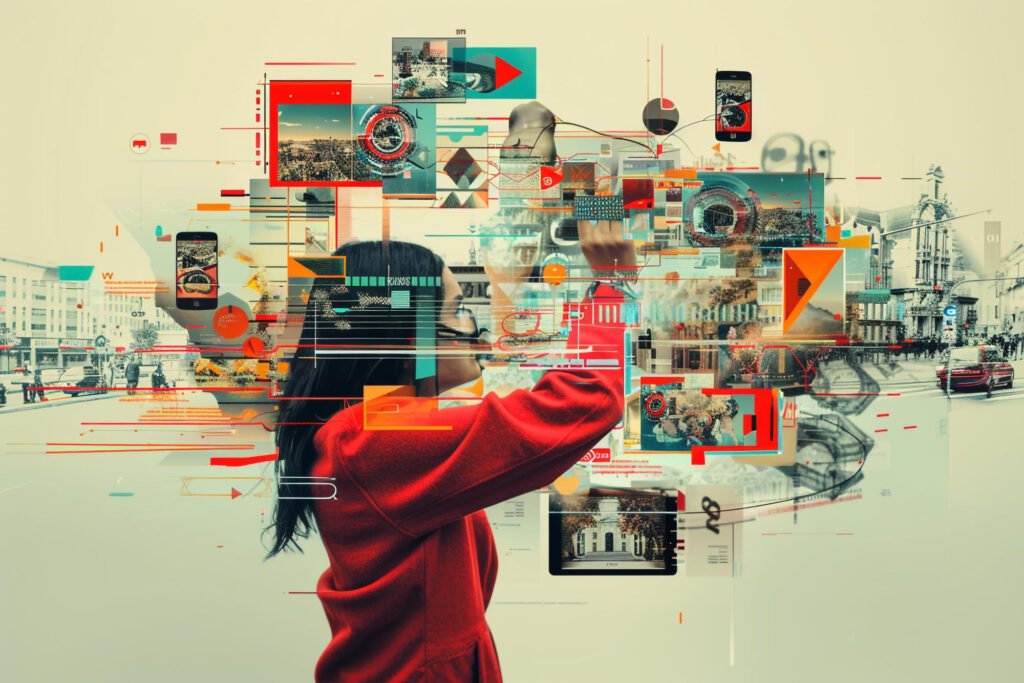
Remember the days when the family gathered around the television at 7:00 PM for the evening news? Or when waiting for the morning paper was the only way to know what happened in the world yesterday? Those rituals feel like ancient history now. By 2026, the transformation of media consumption isn’t just a trend—it is a complete overhaul of how we create, consume, and value information.
The dominance of traditional long-form media has eroded. In its place, a dynamic ecosystem has emerged, driven by artificial intelligence, bite-sized visual storytelling, and individual creators who wield more influence than established networks. We are witnessing the decentralization of authority and the personalization of truth.
The landscape of 2026 is defined by speed, interactivity, and algorithmic curation. It is no longer about broadcasting to the masses; it is about narrowcasting to the individual. As we move deeper into this decade, three pillars stand tall in the rubble of old media models: the generative power of AI, the addictive nature of short-form video, and the booming creator economy. This article explores how these forces are rewriting the rules of engagement and what brands must do to survive in this new reality.
AI Is Reshaping Media Creation & Distribution
Artificial Intelligence has graduated from a novelty tool to the backbone of the media industry. In 2026, AI is not just assisting in creation; it is co-piloting the entire production process.
Generative Content at Scale
The days of writer’s block are effectively over. AI models now generate high-fidelity text, images, and hyper-realistic videos in seconds. Newsrooms use AI to draft initial reports on financial earnings or sports scores, allowing human journalists to focus on investigative work. However, the line between human-made and machine-made is blurring. We are seeing full articles, stock footage, and even voice-overs created entirely by algorithms, reducing production costs to near zero.
Automation in Editing and Publishing
Post-production, once a bottleneck, is now automated. AI tools automatically edit raw footage, select the most engaging clips, add captions, and even reframe horizontal videos into vertical formats for social platforms. This automation extends to publishing, where AI predicts the optimal time to post and A/B tests headlines in real-time to maximize click-through rates.
Hyper-Personalization
The “front page” is dead. In 2026, no two users see the same news feed. AI algorithms analyze reading habits, watch time, and interaction history to curate a personalized digest of content. While this ensures relevance, it also deepens the “filter bubble,” where audiences are rarely exposed to opposing viewpoints.
Ethics and Trust
With great power comes a massive trust deficit. As deepfakes become indistinguishable from reality, verification has become the media industry’s most valuable currency. Watermarking AI content and blockchain-based verification for original journalism are now standard practices to combat the flood of synthetic misinformation.
Short-Form Video: The New Media Language
If AI is the engine, short-form video is the fuel. By 2026, the human attention span has calibrated itself to the 60-second loop.
Why Short-Form Dominates
The dopamine loop of scrolling through Reels, Shorts, and TikTok has fundamentally changed how we process information. It is fast, visual, and requires minimal cognitive load. For the younger generations—and increasingly older demographics—video is the default search engine. People don’t read recipes; they watch a 30-second clip. They don’t read reviews; they watch an unboxing.
Snackable Storytelling
Journalism and entertainment have adapted to “micro-content.” Complex geopolitical issues are broken down into three-part video series. Movie trailers are released as 6-second teasers. This shift forces creators to be ruthless editors. If the hook doesn’t land in the first two seconds, the audience is gone.
Impact on Journalism and Marketing
News organizations that refused to pivot to vertical video have been left behind. The most successful media brands in 2026 have dedicated teams specifically for short-form storytelling, treating platforms not as promotional dumps, but as primary broadcast channels. For marketers, the 30-second TV spot has been replaced by the 15-second vertical ad that feels native to the user’s feed.
The Creator Economy Goes Mainstream
The term “influencer” feels outdated in 2026. These are media entrepreneurs. The power dynamic has flipped, with individual creators commanding audiences larger and more loyal than cable networks.
From Individuals to Institutions
Top creators have scaled into full-fledged media businesses. They hire teams, launch product lines, and diversify into podcasts, newsletters, and events. A single YouTuber in 2026 can rival a mid-sized production studio in terms of revenue and reach.
Independent vs. Traditional
Trust in institutions is low; trust in people is high. Audiences prefer to hear news from a personality they feel they know, rather than a faceless corporation. This has led to a mass exodus of talent from traditional networks to independent platforms like Substack or Patreon, where journalists can own their audience relationships directly.
Diversified Monetization
The reliance on ad revenue is diminishing. Creators in 2026 utilize a mix of income streams:
- Direct Support: Subscriptions and “tipping” on platforms.
- Brand Deals: Long-term partnerships rather than one-off posts.
- Commerce: Selling digital products, courses, or physical merchandise.
- Syndication: Licensing content to larger platforms.
Community-First Strategies
The most successful creators don’t just build audiences; they build communities. Discord servers and private group chats are where the real engagement happens, fostering a sense of belonging that passive media consumption never could.
Media Consumption Habits in 2026
The device in your pocket is the primary screen; the TV on the wall is just a secondary monitor.
Mobile-First and Vertical
We live in a vertical world. Almost all media consumption happens on mobile devices held upright. Cinematography and graphic design have adjusted accordingly, prioritizing center-focused framing and large typography that is legible on small screens.
Algorithm-Led Discovery
Discovery is no longer active; it is passive. We don’t go looking for content; the algorithm brings it to us. This shift puts immense power in the hands of platform engineers, as their code dictates cultural trends and public discourse.
Participatory Experiences
Passive consumption is declining. In 2026, media is a two-way street. Live streams allow for real-time Q&A, articles have interactive polls, and video platforms allow users to “remix” or “duet” content, adding their own commentary. The audience is part of the story.
Advertising & Brand Storytelling in the New Media Era
The “interruption model” of advertising—stopping the show to play a commercial—is failing.
Partnerships Over Spots
Brands are shifting budgets from traditional ad buys to creator partnerships. Instead of a polished commercial that everyone skips, brands pay creators to integrate products into their content organically. It feels like a recommendation from a friend, not a corporate pitch.
Performance-Driven Content
Marketing is data-obsessed. Every piece of content is measured not just by views, but by engagement, click-throughs, and conversion. AI tools analyze which specific frames of a video caused viewers to drop off, allowing brands to optimize creative in real-time.
Native Ads
The best ads in 2026 don’t look like ads. They mimic the style, tone, and format of the user-generated content surrounding them. Authenticity—or at least the appearance of it—is the key to conversion.
The Role of Technology Platforms
Social media giants have effectively become the new utility companies of the information age.
Platforms as Gatekeepers
While the internet promised a democratized open web, 2026 sees consolidation. A handful of platforms control the visibility of content. If an algorithm changes, a media company’s traffic can vanish overnight. This dependency creates a precarious existence for publishers.
AI Recommendation Engines
These engines are the editors-in-chief of the modern world. They decide what is viral and what is invisible. Their primary metric is retention, which often incentivizes sensationalism and conflict over nuance.
Challenges Facing the Media Industry
This brave new world is not without its perils.
Attention Fatigue
We have reached peak content. There is simply too much to watch, read, and listen to. Audiences are suffering from cognitive overload, leading to “doomscrolling” and burnout. The challenge for media is no longer access; it is cutting through the noise.
Misinformation and Deepfakes
With AI tools available to bad actors, the spread of disinformation is a crisis. Distinguishing a real video of a politician from an AI fabrication requires sophisticated tools and a skeptical public. This reality threatens to destabilize democratic processes and public safety.
Creator Burnout
The demand to feed the algorithmic beast is relentless. Creators are under immense pressure to post daily, leading to widespread mental health issues and burnout within the creator economy.
How Media Brands Can Stay Relevant in 2026
Survival requires agility. Here is the playbook for the modern media entity:
Adopt AI Responsibly
Use AI to handle the drudgery—transcription, tagging, basic editing—so humans can focus on creativity and strategy. However, maintain a “human in the loop” to ensure accuracy and ethical standards.
Invest in Short-Form
If you aren’t on vertical video platforms, you don’t exist to half the population. Develop a distinct voice for these channels that respects the format’s casual, fast-paced nature.
Build Owned Audiences
Do not build your house on rented land. Use social platforms for discovery, but funnel that traffic to owned channels like email newsletters, apps, or websites where you control the relationship.
Focus on Authenticity
In a world of synthetic media, human connection is premium. Show behind-the-scenes footage, admit mistakes, and speak directly to the audience. Trust is the ultimate competitive advantage.
What the Future Looks Like Beyond 2026
As we look toward the horizon, the lines between physical and digital reality will blur further.
Immersive Media
AR and VR will finally move from niche to mainstream. We won’t just watch the news; we will stand inside it using spatial computing devices. Virtual creators—fully AI-generated avatars with distinct personalities—will become major celebrities.
Predictive Content
Media will become predictive. Your device will know what you want to watch before you do, downloading and queuing content based on your biometric data and mood.
FAQ Section
Q1: How is AI changing the media industry in 2026?
AI is automating production, from writing and editing to distribution. It enables hyper-personalization of content feeds but also raises significant challenges regarding deepfakes and misinformation.
Q2: Why is short-form video so powerful?
It aligns with modern attention spans, offers high dopamine rewards, and is optimized for mobile consumption. It is the most efficient way to convey information and entertainment quickly.
Q3: What is the creator economy in media?
It is the shift of power from large media corporations to individual content creators who monetize their audiences directly through subscriptions, brand deals, and merchandise.
Q4: How can brands succeed in the new media landscape?
Brands must pivot to storytelling through creator partnerships and native advertising. They need to prioritize authenticity and use data to drive performance-based marketing.
Q5: Will traditional media survive after 2026?
Only if they adapt. Traditional media outlets that embrace digital transformation, short-form video, and AI integration will survive. Those that cling to legacy broadcast models will likely fade into irrelevance.
The Only Constant is Change
The media landscape of 2026 is a paradox: it is more fragmented yet more connected; more automated yet more dependent on human personality. The barriers to entry have never been lower, but the competition for attention has never been fiercer.
For businesses and creators alike, the message is clear: adapt or obsolesce. The tools of tomorrow are already here. It is time to stop viewing AI and new formats as threats and start using them as the foundation for the next era of storytelling.
Ready to future-proof your media strategy? Subscribe to our newsletter today for weekly insights on navigating the creator economy and leveraging AI for growth.
Related Blog post:
ICC Releases Updated Media Guidelines for Men’s T20 World Cup 2026
Restoring The Lost Water Tanks Of Ancient Kings
New York Mayor Eric Adams Tests Positive for COVID-19: What You Need to Know
Biden scheduled to unveil new steps on gun violence
The Future of Media in 2026: How AI, Short-Form Video & Creator Economy Are Taking Over


