


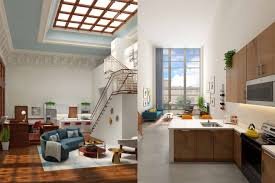
The Potential of Empty Office Spaces
In recent years, the prevalence of remote work has led to a notable increase in the number of empty office spaces across urban and suburban areas. Many businesses, adapting to new work models, have opted to downsize or eliminate their physical office spaces entirely, resulting in a surplus of commercial properties that are no longer in use. This shift presents a significant opportunity that has the potential to address two pressing issues facing today’s society: the excess of vacant office buildings and the growing demand for affordable housing.
Transforming these empty office spaces into affordable apartments can play a critical role in meeting the housing needs of various demographics, particularly in cities where housing prices have skyrocketed. Repurposing office buildings into residential units not only provides much-needed housing but also revitalizes neighborhoods and promotes community development. By converting these spaces, municipalities can mitigate the housing crisis while simultaneously breathing new life into underutilized properties.
The benefits of this transformation extend beyond mere housing availability. Converting office spaces into apartments can foster economic growth by encouraging new residents to move into the area, leading to increased spending at local businesses and revitalizing the local tax base. Moreover, with existing infrastructure such as plumbing, electrical systems, and even parking facilities often already in place, the conversion process can be more cost-effective and efficient than new construction projects.
In summary, the ongoing transition to remote work has resulted in a significant number of vacant office spaces, which can be transformed into affordable apartments. This redevelopment not only addresses urgent housing demands but also stimulates community growth and revitalization, making it a strategic endeavor for urban planners and policymakers alike.
Understanding Zoning Laws and Regulations
When converting an empty office space into affordable apartments, a comprehensive understanding of local zoning laws and regulations is imperative. Zoning laws dictate how properties in a specific area can be used, and they vary significantly between regions. These regulations will determine whether the conversion is permissible and what modifications may need to be undertaken.
Researching the zoning classification of your property is the first step in this process. Local zoning ordinances typically categorize land use into commercial, residential, industrial, and mixed-use zones. It is essential to determine the current zoning category of your office space, as this will inform the potential for transformation into residential units. Most municipalities have zoning maps and regulations available on their official websites, which provide details on permitted uses, dimensional standards, and any applicable restrictions.
If your property is currently zoned for commercial use, you may face challenges in changing its designation to residential. In such cases, a zoning variance or a re-zoning application may be required. This process often involves public hearings and can take considerable time, so it is advisable to engage with local planning departments early on. They can provide guidance on the necessary permissions and approvals, including building permits, that may be required to ensure that the project complies with local codes.
Furthermore, understanding property setbacks, parking requirements, and density regulations is crucial, as these factors can significantly impact the feasibility and cost of the conversion project. Regular consultation with legal and real estate professionals familiar with zoning laws can facilitate compliance and navigate any potential hurdles.
Assessing the Feasibility of the Project
When considering the conversion of an empty office space into affordable apartments, a thorough feasibility assessment is essential to ensure the viability of the project. This evaluation involves several critical steps that involve both financial and architectural dimensions.
The first step in assessing feasibility is to conduct a detailed cost analysis. This includes estimating the costs associated with renovation, such as repurposing the existing structure, upgrading installations, and complying with current building codes. It is important to account for potential unexpected expenses that may arise during construction. Obtaining professional estimates from contractors and architects can provide insightful data regarding the necessary investments.
Next, an architectural assessment should be performed to analyze the existing building’s layout, structural integrity, and compliance with zoning regulations. This assessment will help determine how the space can be efficiently reconfigured to accommodate residential units without compromising safety or aesthetic appeal. Engaging with a knowledgeable architect can guide this process, providing innovative design solutions while ensuring regulatory compliance.
Potential return on investment (ROI) is another critical component in evaluating project feasibility. This requires analyzing local real estate market trends to estimate rental income, occupancy rates, and property appreciation. Additionally, understanding target demographics can influence the design and pricing strategies of the apartments, maximizing profitability in a competitive market.
Lastly, must not overlook building codes and safety regulations, as they significantly impact the feasibility of conversion. Local authorities may impose specific requirements for residential units, including fire safety, accessibility, and environmental concerns. Compliance with these regulations is essential not only for legal reasons but also for ensuring the safety of future tenants. By carefully assessing these factors, stakeholders can determine whether it is practical to transform an empty office into affordable apartments.
Designing the Apartment Layouts
Transforming an empty office into stylish and functional apartments requires careful consideration of the existing infrastructure. The layout must not only optimize space but also ensure a sense of comfort and privacy. One of the primary objectives in this redesign process is to maximize the available square footage. Open floor plans can be utilized effectively, creating multifunctional areas that serve as living, dining, and workspace. The use of sliding partitions or removable walls can assist in defining these spaces without permanently altering the structural elements of the building.
Natural light plays a crucial role in making apartments feel more inviting. When designing the apartment layouts, it is essential to assess the position of windows and how they will impact light distribution throughout the space. Where possible, prioritizing layouts that allow natural light to penetrate the living areas can significantly enhance the ambiance. Incorporating reflective surfaces and light-colored materials can also help to brighten the interiors, contributing to a more spacious feel.
Privacy is another vital aspect to consider. In an office-to-apartment conversion, the layout can sometimes lead to challenges in maintaining personal space. Thoughtful design can mitigate these concerns by placing larger common areas away from bedrooms and maximizing buffer zones. Creative solutions such as strategically placed furniture, strategically designed hallways, or the use of sophisticated soundproofing materials can foster a sense of personal privacy even in compact layouts.
Lastly, for smaller living areas, innovative ideas such as built-in storage solutions, wall-mounted furniture, and multi-purpose spaces can significantly enhance functionality. These elements can aid in reducing clutter while providing residents with the essentials needed for daily living. By balancing functionality with aesthetics, designers can create a harmonious living environment that resonates with the urban lifestyle.
When considering converting an empty office space into residential apartments, understanding your financing options is crucial to successfully executing the project. The financial landscape for such conversions comprises a range of traditional financing methods, as well as grants and government incentives that can significantly offset costs.
Traditional financing options typically include conventional bank loans, which can be utilized for property redevelopment. These loans often require a detailed business plan and may range from short-term construction loans to long-term mortgages. Borrowers should also consider securing a line of credit, which provides flexibility in managing unexpected expenses during the conversion process.
Additionally, several governmental programs can provide financial assistance for such projects. Opportunities may exist at both federal and state levels, including low-interest loans and grants specifically aimed at increasing affordable housing options. Resources from the Department of Housing and Urban Development (HUD) or regional housing authorities may also be leveraged to identify applicable incentives.
As part of the financial planning process, budgeting strategies are equally vital. Developing a comprehensive budget that outlines all aspects of the project, from initial renovations to regulatory compliance, can greatly improve financial management. Researchers should prioritize a detailed cost analysis of anticipated renovation expenses while also incorporating a buffer for unforeseen costs. This strategy not only aids in obtaining financing but also ensures that the project remains viable throughout its duration.
It is also advisable to consult with financial advisors or professionals specializing in real estate to explore all options and gain insight into securing the most beneficial loans or grants available. By effectively navigating these financing options, real estate developers can facilitate a successful conversion of office spaces into much-needed affordable apartments.
Engaging with Contractors and Architects
Transforming an empty office space into affordable apartments requires the expertise of skilled contractors and architects. Engaging these professionals can significantly influence the project’s success, particularly during the complex process of conversion. The first step in this collaboration is to choose the right individuals or firms. Look for contractors and architects who have experience specifically in office-to-residential conversions, as they will better understand the unique challenges that such projects entail, including spatial reconfiguration, compliance with zoning laws, and meeting residential building codes.
When vetting potential candidates, consider their previous projects, client reviews, and professional affiliations. A well-rounded firm will not only bring design innovation but also a nuanced understanding of structural integrity and regulatory requirements. Moreover, effective communication is essential. Establishing a clear dialogue with your architect or contractor will facilitate a smooth workflow. Regular updates and feedback sessions can mitigate misunderstandings that could delay project timelines.
Project management is another critical area where collaboration plays a pivotal role. The contractor will often handle the day-to-day operations, while the architect will ensure that design specifications are met. Utilize project management tools and techniques to track progress and manage budgets effectively. Having a clearly defined timeline for each phase of the conversion process helps manage expectations and ensures that all parties are aligned in their goals. This timeline should be flexible enough to accommodate unforeseen issues without derailing the overall project schedule.
Ultimately, forming a partnership with the right contractors and architects can lead to an efficient conversion process, ensuring that your newly transformed apartments meet both your vision and the standards required for residential living. By focusing on effective engagement, you can navigate the complexities of the conversion journey successfully.
Understanding Market Demand for Apartments
In today’s real estate landscape, understanding market demand for apartments, particularly in urban areas, is crucial for anyone looking to convert an empty office space into affordable living units. Recent demographic shifts reveal a growing interest in urban living, particularly among young professionals and retirees seeking convenience and accessibility. Various reports indicate that millennials and Gen Z are increasingly drawn to city life for its vibrant social scene, job opportunities, and diverse amenities.
As cities evolve, so do the preferences of their residents. For instance, studios and one-bedroom apartments have surged in popularity due to their affordability and suitability for singles and couples. These smaller living spaces often cater to the dynamic lifestyles of urban dwellers who prioritize location over space. In contrast, larger family-sized apartments remain in demand, albeit with a different set of features such as additional bedrooms, family-friendly layouts, and access to recreational areas.
Another essential factor influencing market demand is the incorporation of desirable features within the apartment units. Amenities such as modern kitchens, in-unit laundry, open floor plans, and outdoor spaces are becoming increasingly sought after. As potential tenants consider factors that enhance living quality, developers can attract a wider audience by focusing on these sought-after attributes during the renovation and remodeling phase.
Furthermore, pricing strategies play a pivotal role in attracting tenants. With the rising cost of living in many urban environments, affordability remains a critical aspect of any rental decision. Offering competitive pricing, flexible lease terms, and incentives such as move-in discounts can enhance the appeal of newly converted apartments. By understanding what types of apartments have the highest demand and tailoring offerings accordingly, property developers can ensure successful occupancy rates and satisfy the diverse needs of the urban population.
Marketing and Leasing Your New Apartments
Successfully transitioning your empty office space into affordable apartments requires a well-thought-out marketing strategy. This process begins with establishing an online presence through listings on platforms such as Zillow, Apartments.com, and social media. High-quality photographs and detailed descriptions are critical to attracting potential tenants. Furthermore, highlighting the unique features of your apartments, such as proximity to public transportation, amenities, or community benefits, can significantly enhance interest.
In today’s digital age, incorporating virtual tours is also essential. These interactive experiences allow prospective renters to explore the layout and design of the apartments without needing to visit in person, thus widening your reach. Promoting these tours through your social media channels can create buzz and engage the local community, driving more potential tenants to your listings.
Community engagement is another crucial aspect of effective marketing for your new apartments. Partnering with local businesses to offer discounts or hosting community events can create a sense of belonging and draw in renters who are looking for not just a place to live, but an active community. Additionally, leveraging word-of-mouth referrals from current residents can greatly enhance visibility and credibility.
The leasing process should be streamlined and transparent. Begin by creating a comprehensive application that includes essential questions related to employment, income verification, and rental history. A structured tenant screening process involving background checks can help ensure reliable tenants while minimizing risks. Competitive rental rates are also vital; conducting a market analysis of similar properties can aid in setting rates that attract tenants while generating a profitable income. Offering flexible lease terms or limited-time promotions can make your apartments even more appealing, ultimately leading to a successful leasing phase.
The Future of Urban Living Spaces
As urban centers continue to evolve, the transformation of empty office spaces into affordable apartments represents a significant shift in the approach to urban living. This trend not only addresses the urgent need for housing but also promotes sustainable urban development by revitalizing underutilized buildings. With an increasing number of cities facing housing shortages, converting vacant commercial properties into residential units offers a practical solution that benefits both communities and the environment.
The repurposing of office buildings into living spaces aligns with broader environmental goals. By maximizing the use of existing infrastructure, cities can reduce the carbon footprint associated with new construction projects. Additionally, this practice helps to create vibrant urban neighborhoods that cater to a diverse population, fostering a sense of community and encouraging the use of shared resources.
From an investment perspective, the conversion of office spaces into apartments holds great potential. Real estate investors are beginning to recognize the value of adaptive reuse projects, as they often require lower capital expenditures compared to new developments. Furthermore, properties that are centrally located and easily accessible by public transportation are particularly appealing, as they tend to attract a steady demand from renters seeking convenience and affordability.
Moreover, embracing this trend can stimulate local economies. The influx of new residents can lead to increased demand for goods and services, promoting job creation and economic growth within the community. As investors and developers continue to explore innovative solutions to the housing crisis, the opportunities for profit and positive impact on urban living will only expand.
In conclusion, the transformation of empty office spaces into affordable apartments represents a promising avenue for sustainable urban development, offering a solution to housing shortages and fresh opportunities for real estate investment. Encouraging the consideration of such possibilities is vital for shaping the future of urban living spaces.
Related blog post:
Rachel Maddow Goes Monday-Only: What This Means for MSNBC and Its Viewers
I Gave Up Alcohol and Nothing Happened: A Journey of Reflection
Here’s what comes next for Wythe High School plans
Transforming Your Empty Office into Affordable Apartments: A Comprehensive Guide
How Indian Startups Are Scaling Profitably in 2026: Lessons from Unicorns & SMEs


