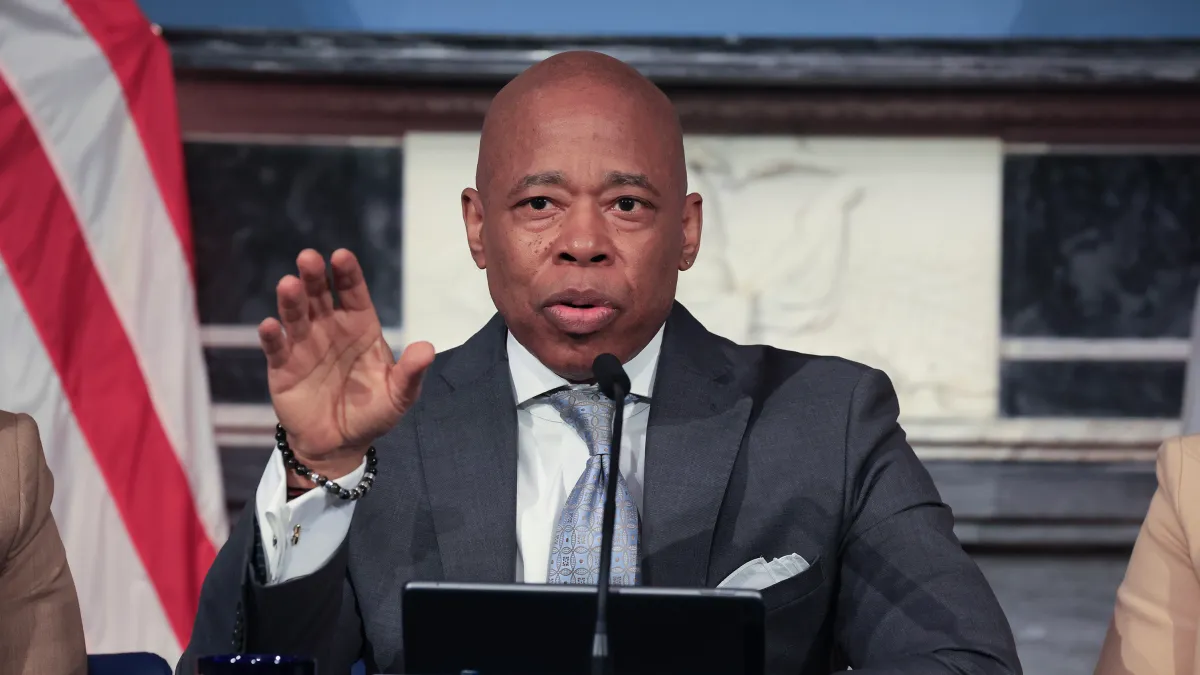




Biden scheduled to unveil new steps on gun violence

Gun violence remains a pressing issue in the United States, with rising incidents of mass shootings and everyday acts of gun-related crime fueling a national debate on how best to address this complex problem. The current statistics portray a troubling reality, with thousands of lives lost each year due to firearm-related incidents, prompting public outcry and urgent calls for reform. As communities grapple with the aftermath of such tragedies, the urgency for comprehensive strategies to combat gun violence has never been more apparent.
In light of this persistent challenge, President Joe Biden has reaffirmed his commitment to tackling gun violence through a series of legislative and executive measures. Biden’s administration has long made clear that gun safety is a top priority, and he has emphasized the need for bipartisan support to implement effective solutions. His upcoming announcements are anticipated to outline new steps aimed at reducing gun violence, bolstering background checks, and promoting responsible gun ownership.
The political context surrounding gun violence is increasingly contentious, with advocates for stricter gun laws facing opposition from groups that uphold Second Amendment rights. This polarization creates an intricate landscape where the pursuit of meaningful reform is met with significant hurdles. However, the widespread concern among the public regarding gun violence is evident, as many Americans advocate for stronger measures to protect communities and prevent further tragedies.
As President Biden schedules to unveil these new steps, the spotlight will be on how his proposals aim to mitigate gun violence and whether they can bridge the divides within Congress and the broader public. With the stakes higher than ever, these forthcoming announcements have the potential to shape the future of gun policy in America.
The Recent Statistics on Gun Violence
Gun violence has become an increasingly pressing issue in America, with statistics highlighting a disturbing trend in incidents over recent years. According to the Gun Violence Archive, the number of gun-related deaths in 2022 reached approximately 48,000, marking a steady increase from the previous years. The rising death toll underscores the urgent need for comprehensive discussions on this critical public safety issue.
Mass shootings, which attract significant media attention, have also surged in frequency. Data reveals that during 2022, over 600 mass shootings occurred across the United States, a dramatic rise from about 400 in 2019. These events, characterized by their tragic loss of life and social impact, have raised alarm among communities and policymakers alike. Furthermore, the emotional toll on survivors and families affected by such tragedies cannot be underestimated, as it deepens the societal wounds associated with gun violence.
Additionally, domestic violence incidents involving firearms have illustrated another concerning aspect of gun-related crimes. The National Coalition Against Domestic Violence indicates that firearms are used in 1 million incidents of domestic violence annually. The chilling connection between access to guns and increased lethality in domestic situations further emphasizes the complexities surrounding gun violence in America.
The rise in overall gun-related crimes has also been pronounced, with a 33% increase in firearm homicides reported over the past several years. The correlation between heightened firearm accessibility and these surging statistics cannot be overlooked. Understanding the statistical landscape of gun violence is essential for developing effective policies aimed at curtailing its prevalence and mitigating its impact on society.
Historical Context of Gun Legislation in the U.S.
The evolution of gun legislation in the United States is a complex narrative characterized by pivotal laws, landmark Supreme Court decisions, and varied societal responses. The Second Amendment of the U.S. Constitution, ratified in 1791, underlines the right to bear arms, and it has been interpreted in numerous ways throughout history, leading to significant legal and social implications.
Key legislative developments began in the 1930s with the National Firearms Act of 1934, aiming to regulate automatic weapons and explosives following Prohibition. This was further reinforced by the Gun Control Act of 1968, which established stricter regulations on firearm sales, particularly in response to rising crime rates and public demand for safety during a tumultuous era marked by assassinations and civil unrest.
In the late 20th and early 21st centuries, gun legislation faced challenges influenced by the growing debate on individual rights versus societal safety. The landmark Supreme Court case District of Columbia v. Heller (2008) was a turning point, affirming an individual’s right to possess firearms for self-defense within the home. This ruling sparked further discourse on gun rights and regulation, as it rejected the notion that the Second Amendment solely related to militia service.
Previous administrations have taken different stances on gun control based on political ideologies and public sentiment. Presidents such as Bill Clinton, with the Brady Bill in 1993, sought to implement rigorous background checks, while more recent administrations aimed to protect Second Amendment rights, often limiting federal intervention in state gun laws. These contrasting approaches reveal the ongoing societal implications of gun legislation, as communities grapple with issues of violence and responsibility.
As President Biden prepares to unveil new proposals aimed at addressing gun violence, understanding this historical context is crucial. It frames the current discourse on gun control, revealing patterns of legislative intent and societal response that continue to shape America’s relationship with firearms.
Biden’s Previous Actions on Gun Control
Since taking office in January 2021, President Joe Biden has prioritized the issue of gun control as a critical component of his administration’s agenda. In response to the pervasive problem of gun violence in the United States, he has taken a series of significant actions aimed at curbing this epidemic. One of the first moves he made was to urge Congress to pass stricter gun control laws, including measures on universal background checks and a ban on assault weapons. This urgent appeal underscored his commitment to addressing gun violence through legislative means.
Additionally, President Biden has enacted several executive actions which serve to strengthen the regulations surrounding firearms. Among these protocols is the introduction of new rules on ghost guns—homemade firearms that can be assembled without serial numbers, making them difficult to trace. By requiring background checks on the sale of these guns, the administration aims to close loopholes that have contributed to the rise in gun-related incidents.
Moreover, Biden allocated substantial funding for community violence intervention programs in his American Rescue Plan. This funding is intended for initiatives that focus on reducing gun violence through prevention rather than punitive measures. The approach highlights the administration’s recognition of the need to address the root causes of violence within communities.
These actions reflect President Biden’s broader strategy to mitigate gun violence and symbolize an expectation of continued reforms. Observers of U.S. gun policy have noted that these initial steps indicate the potential for further announcements and actions aimed at fostering a safer environment for all citizens.
What to Expect in Biden’s Upcoming Announcement
President Biden’s upcoming announcement regarding gun violence is highly anticipated, with speculation surrounding the measures he may implement to address this pressing issue. In recent months, gun violence has escalated in many communities, prompting the need for a comprehensive approach to ensure public safety.
One significant area of focus could be the enhancement of background checks for gun purchases. Currently, there are calls for more stringent regulations to close loopholes that allow individuals to acquire firearms without thorough vetting. Analysts suggest that this could involve extending background checks to private sales and online transactions, ensuring that all potential buyers undergo the same scrutiny.
Additionally, Biden is expected to revisit the idea of imposing a ban on assault weapons. This proposal has previously stirred considerable debate, but recent incidents of gun violence may bolster support for such a measure. Political insiders indicate that a carefully crafted plan could resonate with both lawmakers and the public, especially in light of tragedies that have generated national attention.
Funding for community programs aimed at violence prevention may also be a critical component of the announcement. Investment in local initiatives that promote youth engagement, mental health support, and conflict resolution can play a pivotal role in reducing gun violence. Collaborations with local law enforcement agencies could further enhance these efforts, fostering better relationships between the community and those who serve to protect it.
As the day of the announcement approaches, political analysts are closely watching how these potential measures resonate with both supporters and opponents of gun reform. Observers believe that Biden’s strategy may reflect a balance between addressing public demand for gun control and the political realities of a divided Congress.
Public and Political Reactions
As President Biden prepares to unveil new measures aimed at curtailing gun violence, reactions from both the public and political arena are anticipated to be sharply divided. Gun control advocates are expected to show fervent support for the proposed regulations, arguing that stringent laws are essential for reducing gun-related incidents in the United States. For them, actions taken against widespread gun violence evoke a sense of urgency and necessity, particularly in light of recent tragedies linked to firearms.
Conversely, opponents of stricter gun laws, including a significant portion of the population who hold strong Second Amendment beliefs, are likely to express considerable frustration. Many of these individuals view any new regulations as an infringement on their constitutional rights. This group often raises concerns that limiting access to firearms may not effectively address the root causes of gun violence and could, instead, leave law-abiding citizens vulnerable.
Public sentiment regarding gun control appears to reflect this division. According to a recent survey conducted by a reputable organization, approximately 60% of respondents indicated support for more stringent gun laws, while around 35% opposed increasing restrictions. This dichotomy in opinion suggests that, despite ample advocacy from various groups, achieving a consensus on gun control remains a complex and contentious issue in American society.
Noteworthy public figures have voiced their positions as well. Prominent gun control advocate and community leader, Jane Doe, stated, “Addressing gun violence is not just an option; it’s a moral obligation. We must prioritize lives over politics.” Meanwhile, Second Amendment defender John Smith remarked, “Every American should have the right to bear arms without overreaching governmental restrictions.” These contrasting opinions highlight the ongoing challenge of balancing safety concerns with the rights afforded to citizens under the Second Amendment.
Comparisons with Other Countries’ Gun Policies
The issue of gun violence is a pressing concern in the United States, where statistics indicate that the nation experiences a significantly higher rate of firearm-related deaths compared to other developed countries. In 2019, the U.S. gun-related death rate was approximately 12.21 per 100,000 people, while countries like Japan and the United Kingdom report rates under 0.03 and 0.2, respectively. This stark contrast prompts an examination of the different approaches to gun legislation observed internationally.
Countries such as Australia and the United Kingdom have implemented stringent firearm regulations which have been correlated with a marked decrease in gun-related deaths. Following the Port Arthur massacre in 1996, Australia enacted comprehensive gun control measures, including a gun buyback program and strict licensing requirements. As a result, Australia has not experienced a mass shooting in over two decades, showcasing the effectiveness of stringent laws in curbing gun violence.
In the UK, the Firearms (Amendment) Act 1997 was introduced after the Dunblane school shooting, which led to the outright ban on handguns and stricter licensing protocols for other firearms. The UK has since observed one of the lowest rates of gun-related homicides among developed nations, underscoring the potential efficacy of such regulations.
These international case studies illustrate that although cultural and societal differences exist, the adoption of rigorous gun control measures can significantly reduce the incidence of gun violence. The United States could potentially derive valuable lessons from these nations. By examining the successful policies in countries with low gun violence rates, U.S. policymakers may uncover strategies that could be adapted to fit the American context, fostering a safer society without impinging on lawful gun ownership.
Challenges Facing Gun Violence Prevention Efforts
Addressing gun violence in the United States presents numerous challenges that complicate the efforts of the Biden administration. One of the most significant obstacles is the pushback from gun rights groups, notably the National Rifle Association (NRA). The NRA is a powerful lobbying organization that has historically influenced legislation concerning firearms. Their advocacy for Second Amendment rights often creates a significant barrier to the introduction of stricter gun control measures, thereby shaping policy debates surrounding gun violence.
In addition to opposition from advocacy groups, legal hurdles also present challenges to gun violence prevention. Any proposed changes to gun laws must navigate the complex landscape of constitutional rights, with potential court challenges arising from groups that oppose new regulations. This can result in protracted legal battles, delaying the implementation of policies aimed at reducing gun violence.
Public opinion further complicates the scenario. There are deep divisions within the electorate regarding gun control measures. While there is substantial support for certain actions, such as universal background checks, there are also fervent advocates for gun ownership rights who resist changes that they perceive as infringing upon their liberties. This division complicates the ability of the Biden administration to forge a consensus on effective approaches to combat gun violence.
The political landscape also plays a crucial role in shaping the discourse around gun violence. As the political climate becomes increasingly polarized, finding common ground among lawmakers from different parties proves challenging. Legislators are often hesitant to support initiatives perceived as controversial, fearing backlash from constituents who hold differing views. This reluctance can stifle meaningful progress on gun violence prevention efforts during the Biden administration.
Conclusion and Call to Action
In recent discussions surrounding gun violence, it has become increasingly apparent that the need for comprehensive reform is urgent. The challenges posed by gun-related incidents necessitate not only thoughtful dialogue but also actionable measures. This blog post has explored the multifaceted issues associated with gun violence, examining legislative proposals, community initiatives, and the role of public opinion in shaping policy.<\/p>
The discourse on gun violence underscores a significant trend—communities and lawmakers alike are awakening to the necessity of crafting effective solutions. Emphasizing the importance of preventive strategies, such as improved background checks and enhanced mental health support, highlights that addressing these issues is imperative for ensuring public safety. Furthermore, the impact of grassroots movements demonstrates that collective action can drive substantial change in public policy.
As citizens, it is crucial to remain engaged with these developments. Advocacy for gun reform is not merely a political issue; it transcends into a moral obligation to protect lives and ensure safer environments. Staying informed about the proposals being discussed and participating in local initiatives can facilitate a more robust public response to gun violence. This collective engagement is vital in holding representatives accountable and fostering a culture prioritizing safety over complacency.
Ultimately, the call to action is clear: to address gun violence effectively, everyone must contribute their voice and efforts to the ongoing conversation. By joining forces with advocacy groups, communicating with elected officials, and raising awareness within communities, we can collectively drive progress towards meaningful gun reform. Only through sustained commitment can we aspire to create lasting change that significantly reduces gun violence in our society.