


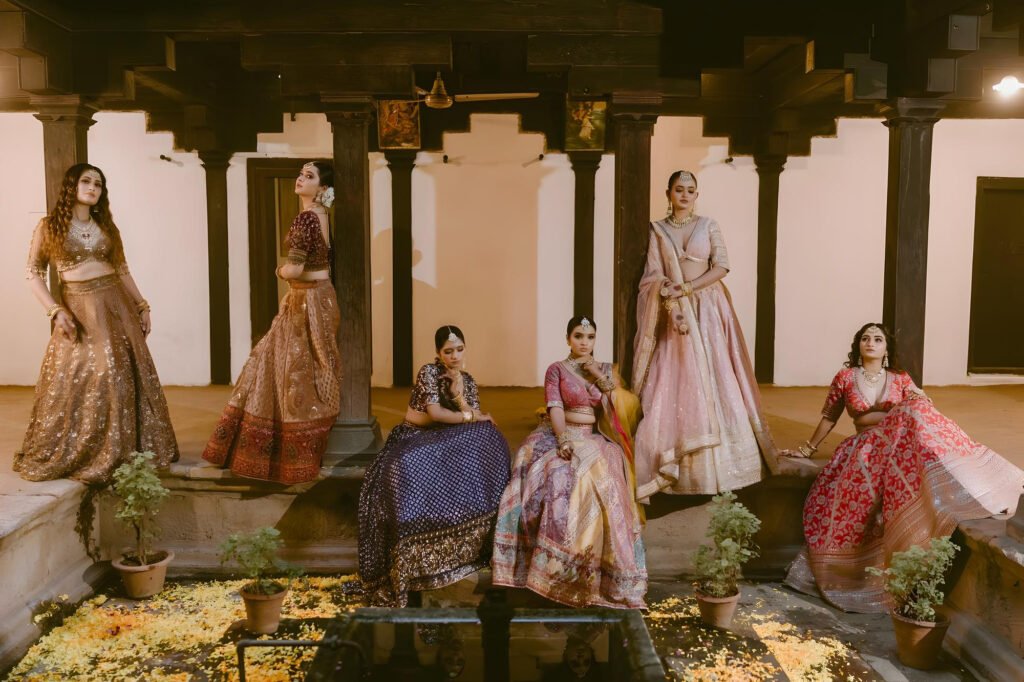
Indian ethnic wear has always been more than just clothing. It carries stories, traditions, and craftsmanship passed down through generations. For women across India and the diaspora, choosing the right ethnic outfit is about celebrating heritage while expressing personal style.
As we move into 2026, ethnic fashion is experiencing a renaissance. Designers are blending age-old techniques with modern silhouettes, sustainability is becoming non-negotiable, and regional textiles are gaining global recognition. Whether you’re preparing for a wedding, a festival, or a formal event, understanding the nuances of ethnic wear can help you make confident, stylish choices.
This guide will walk you through the evolution of Indian ethnic wear, essential wardrobe staples, regional styles, occasion-based styling, sustainable options, and the art of accessorizing. By the end, you’ll have everything you need to build a versatile, timeless ethnic wardrobe.
Evolution of Indian Ethnic Wear: A Historical Perspective Leading into 2026 Trends
Indian ethnic wear has evolved dramatically over the centuries. From the draped elegance of ancient sarees to the structured grandeur of Mughal-era lehengas, each era has left its mark on how women dress.
The 20th century brought significant shifts. The 1920s saw women adopting lighter fabrics and simpler drapes for ease of movement. The post-independence era celebrated handloom textiles as symbols of national pride. By the 1990s, Bollywood had become a major influencer, popularizing vibrant colors and ornate embellishments.
Fast forward to 2026, and the conversation has shifted once again. Contemporary designers are reimagining traditional garments with innovative cuts, sustainable materials, and inclusive sizing. The saree is being styled with belts and jackets. Anarkalis are getting asymmetrical hemlines. Lehengas are being paired with statement blazers.
What hasn’t changed is the respect for craftsmanship. Hand embroidery, block printing, and weaving techniques remain central to ethnic fashion. The difference now is that consumers are more informed and intentional about their purchases, seeking pieces that honor tradition while fitting modern lifestyles.
Essential Wardrobe Staples: Must-Have Sarees, Lehengas, and Anarkalis for the Modern Woman
Building a versatile ethnic wardrobe starts with investing in a few timeless pieces that can be styled in multiple ways.
The Classic Saree
A well-curated saree collection should include at least three types: a lightweight cotton or linen saree for daytime events, a silk saree for formal occasions, and a contemporary georgette or chiffon saree for parties. Neutral tones like ivory, beige, and blush are incredibly versatile, while jewel tones like emerald, sapphire, and ruby make bold statements.
Pre-stitched sarees and saree gowns have also gained popularity among women who want the elegance of a saree without the complexity of draping.
The Versatile Lehenga
Lehengas are no longer reserved solely for weddings. Modern iterations come in lighter fabrics and minimalist designs that work beautifully for festivals, receptions, and celebratory dinners. A mid-weight lehenga in a rich color with subtle embroidery can be dressed up or down depending on how you style it.
Consider investing in separates—buying skirts, blouses, and dupattas individually gives you the flexibility to mix and match, creating fresh looks each time.
The Timeless Anarkali
Anarkali suits offer comfort and grace in equal measure. They’re perfect for women who want a fuss-free outfit that still feels special. Look for Anarkalis in breathable fabrics like cotton or chanderi for daytime wear, and heavier options like velvet or brocade for evening events.
Floor-length Anarkalis with delicate embroidery around the neckline or sleeves strike the perfect balance between understated and elegant.
Regional Styles and Textiles: Exploring the Diversity of Handlooms from Banarasi Silk to Kanjeevaram
India’s textile heritage is vast and varied, with each region offering distinct weaving techniques, motifs, and fabrics.
Banarasi Silk
Hailing from Varanasi, Banarasi silk is synonymous with luxury. The intricate brocade work, often featuring floral and foliate motifs, makes these sarees and lehengas ideal for weddings and grand celebrations. The richness of Banarasi silk lies in its weight, sheen, and detailed craftsmanship.
Kanjeevaram Silk
From Tamil Nadu comes the legendary Kanjeevaram silk, known for its durability and vibrant color combinations. Traditional Kanjeevaram sarees feature contrasting borders and pallus, often in temple-inspired designs. These sarees are heirlooms in the making, passed down through generations.
Chanderi and Maheshwari
Madhya Pradesh’s Chanderi and Maheshwari fabrics are celebrated for their lightweight texture and elegant sheen. These handwoven textiles are perfect for sarees and suits that need to be comfortable yet sophisticated.
Patola and Bandhani
Gujarat’s double ikat Patola sarees and tie-dye Bandhani fabrics are instantly recognizable for their geometric patterns and vibrant hues. These textiles carry deep cultural significance and are often worn during festivals and auspicious occasions.
Assam Silk
Muga, Eri, and Pat silks from Assam offer a unique golden luster and natural texture. Assam silk sarees are prized for their durability and eco-friendly production methods.
Supporting regional handlooms not only preserves traditional crafts but also empowers local artisan communities. As consumers become more conscious, there’s a growing appreciation for the stories woven into every thread.
Occasion-Based Styling Tips: How to Choose the Right Outfit for Weddings, Festivals, and Corporate Events
Choosing the right ethnic outfit depends heavily on the occasion. Here’s how to approach different events with confidence.
Weddings
Weddings call for opulence. Heavily embellished lehengas, designer sarees with zari work, and Anarkalis in rich fabrics like velvet or silk are all excellent choices. Don’t shy away from bold colors like maroon, royal blue, or deep green.
If you’re attending multiple wedding functions, plan your outfits strategically. Save your most elaborate ensemble for the main ceremony, and opt for lighter, more comfortable pieces for the sangeet or mehendi.
Festivals
Festival dressing is about vibrant colors and joyful prints. Cotton sarees, bandhani dupattas, and kurta sets in bright hues work beautifully. Comfort is key, especially if you’ll be participating in rituals or celebrations that require movement.
Festivals are also a great opportunity to experiment with regional styles. A Kasavu saree for Onam, a Paithani for Gudi Padwa, or a Pochampally ikat for Bonalu can add cultural authenticity to your celebration.
Corporate Events
Ethnic wear is increasingly being embraced in professional settings, especially during cultural events or festive office gatherings. Stick to subtle colors like pastels, whites, or muted tones. Choose simple cotton or linen sarees, well-tailored kurta sets, or elegant Anarkalis without heavy embellishments.
Pair your outfit with minimal jewelry and comfortable footwear. The goal is to look polished and professional while honoring tradition.
Sustainable Fashion in 2026: The Rise of Eco-Friendly Fabrics and Ethical Ethnic Brands
Sustainability is no longer a trend—it’s a movement reshaping the fashion industry. Ethnic wear brands are responding by adopting eco-friendly practices and transparent supply chains.
Eco-Friendly Fabrics
Natural fibers like organic cotton, linen, bamboo, and hemp are gaining traction. These fabrics are biodegradable, require less water to produce, and are gentle on the skin. Brands are also experimenting with innovative materials like banana fiber, lotus silk, and recycled polyester.
Handloom Revival
Handloom textiles are inherently sustainable. They use minimal electricity, support rural economies, and produce unique, high-quality fabrics. By choosing handloom, you’re investing in slow fashion that lasts.
Ethical Brands to Watch
Several Indian brands are leading the charge in sustainable ethnic wear. Labels like Raw Mango, Péro, and But Natural focus on traditional techniques, fair wages for artisans, and environmentally conscious production. Supporting these brands means contributing to a more equitable and sustainable fashion ecosystem.
Care and Longevity
Sustainability also means taking care of what you own. Proper storage, gentle washing, and timely repairs can extend the life of your ethnic garments significantly. Consider upcycling old sarees into blouses, cushion covers, or even contemporary outfits.
Accessorizing Your Look: A Guide to Pairing Traditional Jewelry and Footwear with Contemporary Silhouettes
The right accessories can elevate an ethnic outfit from beautiful to unforgettable.
Jewelry
Traditional jewelry adds authenticity and elegance. Kundan sets, temple jewelry, polki necklaces, and jhumkas are timeless choices. For a modern twist, try layering delicate gold chains, pairing oxidized silver with silk sarees, or wearing statement earrings with minimal neckpieces.
Match your jewelry to the occasion. Heavy sets work for weddings, while subtle pieces are better suited for corporate or daytime events.
Footwear
Juttis, mojaris, and kolhapuris are classic choices that pair beautifully with ethnic outfits. For added comfort, opt for block heels or embellished flats. Metallic sandals and strappy heels can also work well with contemporary ethnic silhouettes.
Bags
Potli bags, embroidered clutches, and woven handbags complement traditional outfits perfectly. Choose colors and textures that either match or contrast tastefully with your ensemble.
Draping Styles and Belts
Experiment with different saree draping styles—Bengali, Gujarati, or the contemporary pant-saree hybrid. Belts can cinch the waist and add structure to flowy silhouettes like Anarkalis or sarees.
Accessorizing is deeply personal. Trust your instincts, and don’t be afraid to mix traditional pieces with modern elements.
Build Your Dream Ethnic Wardrobe
Ethnic wear is a celebration of culture, craftsmanship, and individuality. As we navigate 2026, the landscape of Indian fashion is richer and more diverse than ever. From handloom sarees that support artisan communities to sustainable fabrics that protect the planet, every choice you make contributes to a larger narrative.
Building a versatile ethnic wardrobe doesn’t happen overnight. Start with a few high-quality staples, explore regional textiles, and invest in pieces that resonate with your personal style. Remember, the most beautiful outfit is one that makes you feel confident and connected to your roots.
Ready to refresh your ethnic wardrobe? Explore our latest collection of handpicked sarees, lehengas, and Anarkalis crafted with care and tradition. Shop now and discover pieces that honor the past while embracing the future.
Related blog post:


