


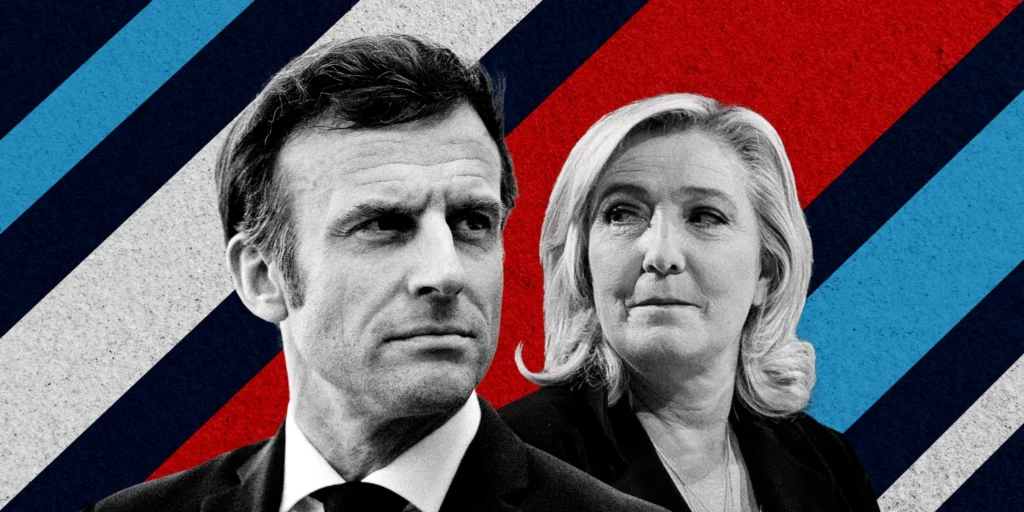
The political landscape in France has become increasingly complex as the nation approaches its upcoming presidential elections. Historical precedents in France’s political sphere have often influenced the trajectories of both the electorate and candidates, with significant events shaping the dynamics of power. Among the most notable have been the elections of 2017 and 2022, which heralded the rise of Emmanuel Macron and the steadfast presence of Marine Le Pen as a formidable political adversary.
Emmanuel Macron, a centrist candidate representing La République En Marche!, has positioned himself as a reformist leader aiming to unite a divided electorate. His ascent to the presidency followed a campaign that promised economic rejuvenation and social reform. Conversely, Marine Le Pen, the leader of the National Rally, has continuously advanced a populist agenda that resonates with a segment of the population seeking an alternative to the traditional political elite. This rivalry is not merely personal but manifests a deeper ideological battle that has redefined French politics.
The significance of Macron and Le Pen lies not only in their contrasting political platforms but also in the broader implications these elections convey for France’s future. Their competitive nature has forced other political parties to reassess their strategies and affiliations, thereby influencing voter sentiment. France’s political discourse has increasingly polarized around the themes that both candidates epitomize, including nationalism, economic policy, and European integration.
As the countdown to the elections continues, the stakes are higher than ever. The resonance of Macron’s reformist agenda versus Le Pen’s nationalistic approach encapsulates the ongoing struggle within French society over identity and belonging. The outcome of this presidential showdown will undoubtedly have lasting repercussions on the nation’s political equilibrium, shaping its position in the European context and beyond.
Profiles in Leadership: Emmanuel Macron
Emmanuel Macron, the current President of France, has had a distinctive political trajectory that sets him apart in the French political landscape. Born on December 21, 1977, in Amiens, France, Macron’s early education and background in philosophy and economics inform his governance style. He briefly worked as an investment banker before entering public service as an adviser to then-President François Hollande. This experience laid the groundwork for his 2014 role as Minister of Economy, Industry, and Digital Affairs, where he advocated for pro-business reforms, earning a reputation as a pragmatic centrist.
In 2017, Macron launched his own political movement, La République En Marche!, and unexpectedly won the presidential election at the age of 39. His victory marked a significant shift in French politics, as he defeated the traditional mainstream parties and positioned himself as a fresh alternative to the far-right. Macron’s presidency has since been characterized by a focus on progressive policies, economic reform, and a strong pro-European Union stance. He has prioritized labor law reforms, tax cuts for businesses, and climate change initiatives, all while maintaining a commitment to reducing public spending.
One of Macron’s central policies is his vision for a more united Europe, advocating for greater integration among EU member states. This position resonates with many French voters who value international cooperation amidst rising nationalism and populism, exemplified by contenders like Marine Le Pen. As the French electorate heads toward the upcoming election, Macron’s achievements in office, such as the successful management of the COVID-19 pandemic response and efforts in digital transformation, will be pivotal in his campaign against Le Pen.
Profiles in Leadership: Marine Le Pen
Marine Le Pen, the leader of the National Rally (Rassemblement National), has been a significant figure in French politics, especially noted for her staunch nationalist stance. Born on August 5, 1968, she is the youngest daughter of Jean-Marie Le Pen, the party’s founder. Taking over the leadership in 2011, Marine Le Pen embarked on a journey to reshape the party’s image, moving away from its far-right, extremist roots towards a more palatable platform for mainstream voters.
Under her leadership, the National Rally has focused on issues such as immigration, security, and national identity, resonating with a segment of the French populace concerned about globalization and cultural dilution. One of her key policies includes a call for stricter immigration controls, claiming that such measures are vital for France’s social cohesion. Additionally, she advocates for the protection of French citizens’ economic interests through a national preference in employment and public contracting.
In the face of Emmanuel Macron’s presidency, Le Pen positions herself as a challenger to his centrist policies, particularly criticizing his approach to European integration and economic reforms. She argues that Macron’s policies favor the elite and undermine working-class French citizens. By utilizing rhetoric centered around ‘França first,’ Le Pen seeks to galvanize voters who feel disenfranchised by traditional parties.
Leading up to the 2022 elections, her strategy has involved consistent engagement with grassroots movements and leveraging social media to reach a broader audience. Le Pen’s efforts to present a softer image and reinvigorate the party’s public perception have allowed her to consolidate support, evidenced by her strong performances in recent opinion polls and debates. This trajectory showcases her intent to bridge the gap between her party’s traditional values and the contemporary political landscape of France.
Key Issues Shaping the Election Campaign
The upcoming presidential election in France has brought several critical issues to the forefront, significantly influencing voter sentiment and preferences. Among these, the recovery of the economy following the COVID-19 pandemic stands out as a primary concern. Both candidates, Emmanuel Macron and Marine Le Pen, have articulated their visions for revitalizing the economy, each proposing distinct approaches to foster growth and support small businesses. Macron emphasizes the necessity of continuing with pro-European Union policies to enhance trade and investment, while Le Pen advocates for protectionist measures geared towards prioritizing French industries and workers.
Another major issue permeating the election discourse is immigration, which has become increasingly salient in France’s political arena. Le Pen, representing the National Rally, has longstanding views on restricting immigration and emphasizes safeguarding French identity. In contrast, Macron has highlighted the importance of a balanced immigration policy that accommodates humanitarian needs while addressing security concerns. How each candidate articulates their stance could significantly sway the electorate, particularly in regions experiencing heightened concerns about cultural integration and local resources.
National security also emerges as a key topic, especially in light of past terrorist attacks and ongoing geopolitical tensions. Macron has placed emphasis on enhancing France’s defense capabilities and reinforcing European cooperation to ensure collective security. Meanwhile, Le Pen’s strategy focuses on stricter border controls and a more nationalistic view of security, appealing to voters who prioritize immediate domestic issues over broader regional cooperation.
Finally, social policies, particularly regarding healthcare and education, will play a crucial role in shaping the preferences of voters. The pandemic has highlighted the importance of robust healthcare systems, with both candidates outlining plans to either strengthen public health initiatives or reform the current system to enhance efficiency. Additionally, education remains a vital area for future investment, with each candidate advocating for reforms that align with their respective political ideologies.
Voter Sentiment: Shifts and Trends
The landscape of voter sentiment in France has experienced notable shifts since the last presidential election, particularly as the nation braces for what promises to be another intense electoral contest between Emmanuel Macron and Marine Le Pen. Recent polling data indicates a considerable divide in public opinion, shaped by various factors including economic concerns, social issues, and the ongoing ramifications of global events.
As France navigates economic recovery post-pandemic, many voters express anxiety over inflation, job security, and living costs. Polls suggest that Macron’s approach to fiscal policy has had mixed reviews, with some constituents applauding his reforms while others remain skeptical about their effectiveness. Conversely, Le Pen’s proposals often appeal to voters concerned with the economic plight, particularly among working-class communities that feel neglected. This demographic trend is critical, as traditional party loyalties appear to be less tethered than in previous elections, making it crucial for both candidates to effectively engage with undecided voters.
Regional variations also play a significant role in shaping voter sentiment. In urban centers, Macron tends to maintain support, bolstered by younger demographics who value his pro-European stance and progressive social policies. In contrast, Le Pen finds strong backing in rural areas and regions grappling with economic deprivation, where her rhetoric about nationalism and immigration resonates deeply. As both candidates strive to appeal to a broad electorate, understanding these trends is vital. The evolving public opinion landscape highlights the importance for candidates to adapt their messages and campaign strategies to capture the diverse aspirations of French voters.
The Role of Media and Debate
The media landscape in France has been instrumental in shaping the political narrative, especially during presidential elections. In the current showdown between Emmanuel Macron and Marine Le Pen, both traditional and modern media play pivotal roles in influencing public perception and engagement. Traditional media—comprising television, radio, and print—continues to serve as a vital source of information for the electorate. Major broadcasting networks allocate significant airtime for campaign coverage, debates, and political analysis, allowing voters to form informed opinions on candidates’ platforms.
Televised debates are especially crucial, offering candidates a stage to communicate their policies and counter their opponents in real time. The visual medium adds a layer of immediacy and transparency to political discourse, as viewers gauge the candidates’ demeanor and articulateness under pressure. Macron, known for his eloquence, leverages these debates as opportunities to showcase his leadership capabilities, while Le Pen utilizes them to position herself as the voice of dissent against the establishment, appealing to voters who desire change.
In recent years, social media has emerged as an equally significant force in the political arena. Platforms like Twitter, Facebook, and Instagram allow candidates to engage directly with voters, share their messages instantaneously, and mobilize supporters. Macron and Le Pen have adopted distinct strategies on social media; Macron focuses on showcasing his achievements and modernizing France’s image, whereas Le Pen often underscores nationalism and addresses concerns regarding immigration and security. The direct interaction afforded by social media can sidestep traditional media narratives, enabling candidates to tailor their messages for specific demographics.
Moreover, social media serves as a double-edged sword, as it can also be a conduit for misinformation and polarized opinions. The rapid spread of unverified content during the campaigns further complicates the electorate’s capacity to discern fact from fiction. In navigating this complex media landscape, voters are often tasked with critically evaluating the information presented, making the role of media in this election all the more significant.
Challenges Ahead for Both Candidates
The upcoming presidential election in France presents significant challenges for both Emmanuel Macron and Marine Le Pen. Each candidate faces unique obstacles that could influence their campaign dynamics and ultimately their chances of winning. For Macron, the incumbent president, the main challenge lies in addressing the growing dissatisfaction among the electorate. Many voters have expressed concerns regarding the handling of economic and social issues, including rising inflation and unemployment. This public sentiment could present a formidable hurdle as he seeks to cultivate voter loyalty and convince them of the efficacy of his policies.
In addition to public dissatisfaction, Macron also has to navigate complex internal dynamics within his party and the broader political landscape. Facing criticism from both the left and right, particularly over his perceived failure to address the issues that matter to average citizens, he must unify his party’s factions to maintain support. A disjointed party could weaken his campaign significantly, especially in a climate where voters are increasingly looking for alternatives.
On the other side, Le Pen’s challenges are also multifaceted. While she has managed to solidify her position within the National Rally party and broaden her appeal to a wider electorate, there remains a lingering stigma attached to her party’s past and its associations with extremism. Overcoming public perceptions is a critical challenge that she must address. Moreover, Le Pen’s campaign is also vulnerable to public scrutiny regarding her economic plans, particularly in the wake of international economic uncertainties stemming from global conflicts and instability.
Both candidates must also account for global influences, including international relations, which can significantly affect domestic sentiment. As such, the challenges they face are not only internal but encompass a broader context that includes economic stability and diplomatic standing. These factors will undoubtedly play a crucial role in shaping their respective campaigns as they proceed toward the election.
Predictions and Potential Outcomes
The French presidential election is set to be a pivotal moment for the nation, with incumbent Emmanuel Macron facing off against challenger Marine Le Pen yet again. Given the polarized political landscape in France, predictions around the outcomes of this election are varied and reflect the deep divisions within French society. Current polling data indicates a highly competitive race. Recent surveys suggest that Macron may hold a slight edge; however, Le Pen has consistently demonstrated a strong base of support that could yield surprising results on election day.
Should Macron secure a second term, it is anticipated that he would continue to pursue his pro-European Union policies and economic reforms aimed at modernizing France’s economy. Victory for Macron would signal a reaffirmation of centrist politics in France, potentially stabilizing the nation amidst global uncertainties. However, continued public discontent regarding social issues, such as cost of living and immigration, may lead to further political unrest under his administration.
Conversely, a Le Pen victory would represent a significant shift towards populism and nationalism in French politics. If she were to prevail, it is expected that Le Pen would prioritize a stringent approach to immigration and reshape France’s relationship with the European Union. Her ascension to the presidency could spark debates on national identity and sovereignty, potentially influencing right-wing movements across Europe. Such a drastic pivot could alter both domestic policies and international relations, with implications that extend beyond French borders.
Overall, the ramifications of this election are profound, with potential outcomes influencing not only the trajectory of France but also the broader European political landscape. As the election approaches, the anticipated results will undoubtedly reflect the evolving sentiments of the French populace.
The Future of France Post-Election
The recent presidential showdown between Emmanuel Macron and Marine Le Pen marks a pivotal moment in France’s political landscape, with implications that extend well beyond national borders. Regardless of the election outcome, the rivalry between these two figures reflects significant trends that shape global politics, the health of democracies, and the rise of populist movements. Macron, representing the centrist establishment, advocates for a united Europe and liberal democracy, while Le Pen, the far-right contender, embodies a growing wave of nationalist sentiment.
As France approaches a period of significant change, citizens are increasingly divided along ideological lines. This polarization mirrors broader global trends, where populist parties challenge established political norms. The implications for democracy are profound; many voters express discontent with traditional parties, preferring alternatives that promise to address their concerns, often in dramatic and polarizing ways. This dynamic can lead to political instability, complicating governance and policy formulation.
Furthermore, this election encapsulates the challenges democracies face in balancing economic security, social unity, and international responsibilities. As both candidates propose vastly different visions for France’s future, the decision voters make will shape not only domestic policies but also France’s role on the global stage. The ongoing rise of populism, while particularly pronounced in France, is a phenomenon witnessed in many democracies struggling to respond to globalization’s consequences.
Ultimately, the outcome of this electoral contest will serve as a bellwether for the future of France and could reinforce or challenge the current trajectory of populism across Europe. Thus, the implications of this rivalry extend well beyond the immediate political context, encouraging observers to reflect critically on the evolving nature of governance and civic engagement in contemporary democracies.
Related Blog Post:
Worrying Signs in COVID Numbers: What They Mean for Our Future
Five Signs of a Highly Intelligent Person
The Cost of Getting Streaming Wrong: Impacts on the TV Industry
The unspoken weight discrimination problem at work
In France, its Macron vs Le Pen again for presidency
The 2026 Lifestyle Shift: How Wellness, Slow Living & Digital Balance Are Redefining Daily Life


