


Why a Stargazing Road Trip?
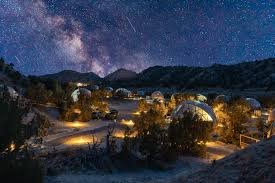
Stargazing is a profound experience, one that allows individuals to connect with the vast universe beyond our planet. A stargazing road trip offers a unique opportunity for nature lovers and adventure seekers to immerse themselves in the beauty of the cosmos while fostering a deeper appreciation for the night sky. The allure of embarking on a journey to observe celestial wonders draws many towards planning trips centered around astronomy.
One of the most significant advantages of stargazing trips is the chance to escape the light pollution prevalent in urban areas. The glow from city lights can obscure celestial bodies, making it challenging to fully appreciate the splendor of constellations and galaxies. Traveling to remote destinations provides a clearer view of the night sky, enabling travelers to observe the Milky Way, shooting stars, and the intricate details of planets.
During these trips, adventurers can engage in various activities that enhance their stargazing experience. From using telescopes and binoculars to participating in guided astronomical tours, the possibilities are endless. The experience of laying back beneath a star-studded sky can evoke feelings of wonder and introspection, further enriching the journey.
Moreover, a stargazing road trip often creates lasting memories, fostering a sense of camaraderie among those who share this experience. Whether traveling with family, friends, or solo, the shared moments of awe when gazing upwards contribute to personal connections and storytelling.
In summary, a stargazing road trip is not merely a journey through scenic landscapes; it is an exploration of the universe that invites individuals to reflect on their place within it. The combination of adventure, nature, and the enchanting night sky makes stargazing an unforgettable experience.
Planning Your Route: Where to Go for the Best Stargazing
Choosing an optimal route for your stargazing road trip requires careful consideration of various factors, primarily the location’s light pollution levels, accessibility, and overall scenic beauty. Dark sky locations are paramount for an effective stargazing experience, as they provide minimal interference from artificial lights, allowing celestial bodies to shine unfettered.
In the United States, several national parks have earned acclaim for their stunning celestial views and robust stargazing programs. For instance, Big Bend National Park in Texas is celebrated for its unpolluted skies, where visitors can marvel at nearly 2,000 stars. Similarly, Death Valley National Park boasts one of the darkest night skies in the country, making it a prime destination for astronomy enthusiasts.
Aside from national parks, scenic byways can also offer remarkable stargazing opportunities. The Pacific Coast Highway in California, for example, provides breathtaking coastal views that transition into vivid night skies, presenting a dual feast for the eyes. One should also consider areas designated as International Dark Sky Places, such as Cherry Springs State Park in Pennsylvania and Jasper National Park in Canada, both of which are highly acclaimed for their commitment to preserving the night sky integrity.
For those venturing outside the United States, several international destinations deserve mention. The Atacama Desert in Chile is lauded for its clear, dry air and stable atmospheric conditions, making it a haven for stargazers. Similarly, the Canary Islands, particularly La Palma, offer an outstanding combination of geographical advantages and dedicated observatories. These locations provide ideal conditions for star gazing and thus should be included in your travel itinerary for examining the wonders of the cosmos.
Essential Gear for Stargazing on the Road
Stargazing on the road requires the right equipment and gear to enhance the experience, making it both enjoyable and productive. A good telescope is essential for serious stargazers, as it allows for a closer view of celestial objects such as planets and galaxies. Compact and portable telescopes are ideal for travel, ensuring that your stargazing equipment does not occupy excessive space in your vehicle.
Binoculars are also a valuable addition to your stargazing gear. They are lightweight, easy to use and provide a wider field of view than a telescope. Binoculars are particularly useful for new stargazers, as they can make it easier to locate constellations and other celestial bodies. When selecting binoculars, consider models with high magnification and a wide objective lens to maximize light-gathering ability.
In this digital age, apps for identifying stars and constellations have become invaluable. These applications allow users to point their smartphones towards the night sky to receive instant information about celestial objects. Many of these apps are equipped with additional features such as night mode and augmented reality capabilities, enhancing the stargazing experience even further.
Comfortable seating is another essential factor when embarking on a stargazing road trip. Consider bringing along portable chairs or blankets to ensure a comfortable viewing experience while observing the cosmos. Alongside seating, warm clothing is crucial as temperatures can drop significantly during nighttime, especially in remote locations. Dressing in layers and bringing along extra blankets can help prepare for various weather conditions.
Moreover, it is important to consider the impact of ambient light on stargazing. When choosing a viewing location, aim for areas that are far from city lights to reduce light pollution. Being equipped with red LED flashlights can also help preserve night vision while navigating in dark conditions. Proper preparation of your stargazing gear will ensure a fulfilling exploration of the cosmos during your road trip.
Timing Your Trip: The Best Seasons and Dates to Stargaze
When planning a stargazing road trip, understanding the optimal times for observing celestial wonders can significantly enhance your experience. Several factors, including moon phases, meteor showers, and seasonal variations, play a crucial role in determining the best times to gaze at the stars.
One of the most influential elements is the phase of the moon. A new moon, when the moon is not visible from Earth, creates darker skies, making it ideal for stargazing. Conversely, a full moon can outshine faint stars and celestial objects, which may diminish the stargazing experience. Thus, ideally scheduling your trip during the new moon phase can greatly improve visibility.
Moreover, meteor showers offer spectacular opportunities for sky observation. Events such as the Perseids in August and the Geminids in December are particularly renowned for their abundance of shooting stars. Planning your journey to coincide with these natural happenings can enhance your evening under the stars, as you will witness spectacular streaks of light across the night sky.
Seasonal changes also affect celestial visibility. For instance, winter nights tend to be clearer, providing a crisper view of constellations, while summer nights offer longer hours of darkness, allowing for extended stargazing. Additionally, different seasonal constellations become prominent at various times of the year, offering unique sights for avid stargazers.
To help you plan your trip, consider the following calendar of significant astronomical events: 1) New Moon dates, 2) Major meteor showers: Perseids (August), Geminids (December), Quadrantids (January); 3) Notable planet sightings, particularly Mars and Jupiter during their oppositions. Aligning your stargazing journey with these events can provide a memorable cosmic experience.
Tips for a Successful Stargazing Experience
Embarking on a stargazing adventure requires thoughtful preparation to fully appreciate the wonders of the night sky. One of the most crucial factors to consider is selecting the right location. Ideal stargazing spots are typically far from urban areas where light pollution diminished visibility. National parks and remote countryside areas often provide expansive views of the cosmos, ensuring an unobstructed experience.
Minimizing light pollution plays a significant role as well. Before commencing your stargazing session, be sure to turn off all surrounding lights and utilize red flashlights. Red light is less intrusive to your night vision and allows your eyes to adjust more easily to the dark. This adjustment period typically takes about 20 to 30 minutes, during which you will begin to perceive fainter stars that would otherwise be invisible.
While engaging with the cosmos, consider enhancing your experience with photography. If you wish to capture the breathtaking beauty of the starlit sky, a tripod is essential for stability. Utilizing a camera with manual settings allows for longer exposure times, which can effectively illuminate the celestial scenery. Experiment with different ISO settings and apertures; however, maintaining a low ISO is often recommended to avoid grainy images. Lastly, be patient and take multiple shots when attempting to capture the Milky Way or other celestial objects, as these require precise timing and adjustments.
Incorporating these tips will significantly enhance your stargazing experience. Being mindful of your chosen location, managing light exposure, and utilizing photography can transform a simple night out under the stars into a memorable and awe-inspiring journey through the cosmos.
The Joy of Astronomy: Learning the Night Sky
Astronomy offers a deeply enriching experience, particularly when enhanced by the thrill of stargazing during a road trip. Understanding the night sky transforms your journey into a captivating exploration of the universe. Before setting off on your astronomical adventure, it is beneficial to familiarize yourself with the various constellations and celestial bodies that you may encounter. Knowledge of these formations not only adds depth to your experience but also cultivates a sense of connection with the cosmos.
One of the best ways to prepare for your astronomical journey is by using star maps designed for beginners. These maps illustrate the positions of stars, constellations, and other celestial objects. They can serve as an excellent reference point once you arrive at your remote stargazing location, helping you to navigate the expanse of the night sky. You can find star maps in printed format or as downloadable resources that you can carry with you on your trip.
Additionally, with the advancement of technology, mobile applications have emerged as a popular choice for stargazers. Apps like Night Sky, SkyView, or Star Walk allow you to point your mobile device at the sky to identify stars and planets in real time. These applications typically include information on celestial events, such as meteor showers or the visibility of planets, enriching your stargazing efforts with up-to-date insights.
Engaging with these resources will not only enhance your observational skills but also impart a deeper appreciation for the complexities of the universe. By learning to identify various constellations and celestial phenomena, you become an active participant in your own cosmic journey, which adds to the joy of astronomy and makes your road trip a memorable experience.
Enhancing Your Stargazing Road Trip
The experience of stargazing can be significantly enriched by integrating other outdoor adventures into your road trip itinerary. By combining activities such as hiking, camping, or visiting local attractions, you can create a well-rounded experience that allows you to connect more deeply with nature and your surroundings.
Hiking is one of the most rewarding ways to supplement your stargazing journey. Many national and state parks offer trails that lead to stunning overlooks, ideal for both daytime exploration and nighttime stargazing. For instance, places like Joshua Tree National Park in California boast numerous trails that range from easy to challenging, allowing you to immerse yourself in breathtaking desert landscapes by day and marvel at a celestial tapestry of stars by night.
Camping is another excellent option for those looking to enhance their cosmic adventures. Spending the night under the stars allows for optimal viewing conditions, away from city lights. Campgrounds such as those found in Glacier National Park provide not only dark skies but also opportunities for evening campfires and storytelling, enriching the communal experience. Be sure to choose campgrounds that are known for their scenic beauty during the day, enabling a thrilling experience of both the natural world and the night sky.
In addition to these activities, consider exploring local attractions. Many regions renowned for their stargazing also feature unique geological or cultural sites. For example, the area surrounding Sedona, Arizona, offers not only exceptional night skies but also impressive red rock formations, art galleries, and historical sites to explore during the day. By blending stargazing with these various activities, your road trip transforms into a comprehensive adventure, providing cherished memories of both the day and night.
Safety Considerations While Stargazing on the Road
Engaging in a stargazing road trip can be a breathtaking experience; however, ensuring safety throughout the journey is paramount. Road safety should be the foremost consideration. When driving to remote locations, especially at night, it’s essential to maintain a speed appropriate for the conditions and be vigilant of potential hazards. Ensure that your vehicle is in good working order before embarking on the journey and familiarize yourself with the route, which may include winding roads or detours due to seasonal conditions.
Wildlife encounters are another significant concern in many stargazing destinations. Animals like deer or livestock can unexpectedly cross roads, particularly in rural areas. It is advisable to remain cautious and be prepared to stop, especially during dusk and dawn when animals are most active. Furthermore, parking your vehicle in a safe, well-lit area can minimize risks when transitioning from your car to your chosen stargazing spot.
Personal safety is particularly critical when stargazing in isolated areas. Being aware of your surroundings is key; bring a flashlight, and consider wearing reflective clothing to increase visibility. If traveling with companions, maintain communication and remain within close proximity of one another, especially after dark. It is also beneficial to carry a basic first-aid kit and have a clear plan for emergencies, including knowing the closest medical facilities.
Additionally, staying informed about local regulations regarding camping and nighttime activities can help prevent unintentional violations. Some national parks and protected areas have specific guidelines related to stargazing. Respecting these rules not only contributes to personal safety but also helps preserve the natural environment for future visitors. By observing these safety considerations, you can enjoy a memorable and worry-free stargazing experience.
Conclusion: Make Memories Under the Stars
As we conclude this exploration of stargazing on a road trip, it becomes evident that such experiences offer more than just scenic beauty; they provide opportunities for connection, reflection, and discovery. Embarking on a stargazing journey allows individuals to engage with the vastness of the universe while simultaneously forging deeper relationships with family and friends. Imagine the joy of sharing these celestial wonders, from identifying constellations to marveling at shooting stars, each moment transforming into cherished memories.
Planning your stargazing road trip can be a rewarding endeavor. In preparation, consider destinations renowned for their dark skies, such as national parks or remote locations far from urban light pollution. Not only will you enjoy the breathtaking beauty of the night sky, but you will also witness the transformative power of nature as you immerse yourself in the serenity and tranquility of the cosmos. Remember to bring along essential equipment such as telescopes or star charts to enhance your experience further.
Moreover, a stargazing trip offers a unique opportunity for adventure and exploration. The journey itself can be filled with excursions, from hiking through picturesque trails to visiting local attractions that enrich your understanding of the night sky. Engaging in conversations about the universe can inspire curiosity, enabling participants to learn more about astronomy and the mysteries that lie beyond our planet.
In essence, every stargazing trip is not just about observing celestial bodies; it is about the stories we create along the way. As you venture into the darkness, take the time to appreciate what lies above and within yourself and those you journey with. This road trip will undoubtedly foster a sense of wonder and belonging that lasts a lifetime, making the vast cosmos feel just a little closer to home.


