


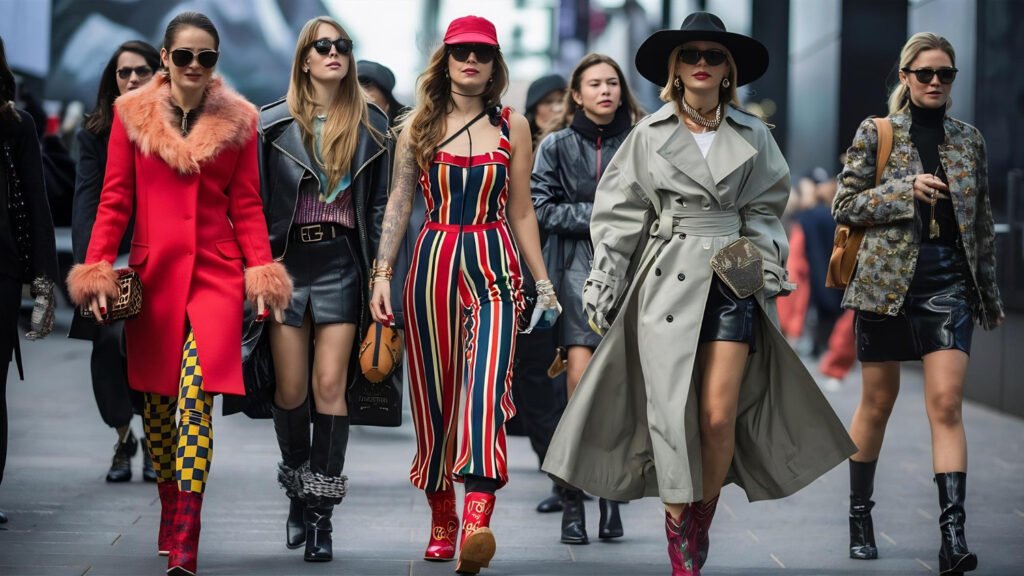
The runway has always been a mirror reflecting society, but as we look toward 2026, that mirror is becoming a digital screen powered by clean energy. The fashion industry stands at a pivotal intersection where the physical and virtual worlds collide, driven by a consumer base that demands ethical accountability without sacrificing aesthetic brilliance.
2026 is shaping up to be a defining year. We are moving past the early, clumsy stages of “eco-fashion” and the initial hype of the metaverse into a mature era of integration. The trends defining this period are not fleeting fads; they are structural shifts in how we create, consume, and interact with clothing. From the influence of Gen Z’s uncompromising stance on corporate responsibility to the seamless adoption of AI by luxury houses, the landscape is evolving rapidly.
This guide explores the dominant forces shaping the industry. We will look at how sustainability has graduated to “luxe” status, why your next outfit might only exist in pixels, and how ancient craftsmanship is finding a new voice in a high-tech world. Whether you are a brand strategist, a designer, or a fashion enthusiast, understanding these shifts is essential for navigating the future of style.
Sustainable Luxe: Where Ethics Meet Elegance
For years, a silent tension existed between luxury and sustainability. One represented excess and exclusivity, while the other signaled restraint and conservation. In 2026, that tension has dissolved. The new definition of luxury is inherently sustainable, where the value of a garment is measured not just by its thread count, but by its carbon footprint.
The Rise of Eco-Luxury
High-end consumers no longer view sustainability as an optional bonus; it is a baseline expectation. “Eco-luxury” has moved beyond simple organic cotton basics into the realm of intricate evening wear and bespoke tailoring. We are seeing major fashion houses integrate circular economy principles directly into their couture lines. This means buy-back programs, upcycling heritage pieces, and designing garments specifically for disassembly, ensuring that luxury items never end up in a landfill.
Transparency is the New Black
The story behind the garment is now as important as the garment itself. Supply chain opacity is a relic of the past. Blockchain technology and digital passports are becoming standard for premium goods, allowing customers to scan a label and trace the journey of the wool from an alpaca farm in Peru to the knitting floor in Italy. This radical transparency builds trust and justifies the premium price point of sustainable luxe, proving that ethical labor practices and environmental stewardship are the ultimate markers of quality.
Digital Couture & Virtual Fashion
If the physical world is cleaning up its act, the digital world is exploding with creativity. Digital couture represents the liberation of fashion from the laws of physics. Gravity, fabric limitations, and production costs no longer apply, allowing designers to dream up creations that would be impossible to stitch together in reality.
Beyond Skins: The Metaverse Maturity
While “skins” in video games were the precursor, 2026 sees virtual fashion standing on its own as a legitimate asset class. Digital garments are being sold as NFTs (Non-Fungible Tokens), providing ownership and provenance for virtual items. Consumers are curating digital wardrobes for their avatars in the metaverse, attending virtual galas, and expressing identity in digital spaces just as profoundly as they do in physical ones.
AI and the Design Process
Artificial Intelligence has moved from a buzzword to a co-creator. AI algorithms analyze historical trends, predict future color palettes, and even generate pattern variations that a human mind might miss. This isn’t about replacing the designer; it is about augmenting human creativity. AI tools handle the heavy lifting of iteration, allowing creative directors to focus on emotion and narrative. Furthermore, virtual try-on technology has advanced significantly, reducing return rates for e-commerce brands and allowing consumers to see exactly how a garment moves and fits before a single piece of fabric is cut.
Conscious Fabrics Leading the Change
The materials we wear are undergoing a revolution. The reliance on virgin petrochemical fibers (like traditional polyester) is plummeting as brands race to adopt innovative, low-impact alternatives.
Innovations in Bio-Textiles
The lab is the new loom. We are seeing a surge in bio-fabricated materials, such as leather alternatives grown from mycelium (mushroom root structures) and silks produced via fermentation processes that mimic spider DNA. These materials offer the durability and hand-feel of animal products without the ethical or environmental baggage.
The Evolution of Recycling
Recycling has evolved from turning plastic bottles into scratchy fleece to chemical recycling processes that break down old textiles into virgin-quality fibers. This “textile-to-textile” recycling loop is crucial. In 2026, expect to see blended fabrics that are actually recyclable, solving one of the industry’s biggest waste headaches. Performance fabrics are also getting a green makeover, with biodegradable synthetics providing moisture-wicking properties for activewear without leaving microplastics in our oceans.
Tech-Driven Personalization
Mass production is slowly yielding ground to mass customization. The “one size fits all” mentality is being replaced by technology that caters to the individual, reducing waste and increasing satisfaction.
On-Demand Manufacturing
The most sustainable garment is the one that is only made when someone actually wants it. Tech-driven production models allow brands to hold digital inventory rather than physical stock. When a customer places an order, automated knitting machines and laser cutters produce the item in real-time. This eliminates the massive issue of deadstock (unsold inventory) that plagues the fashion industry.
Smart Sizing and The Perfect Fit
Ordering clothes online has historically been a gamble. However, the integration of LIDAR scanning in smartphones and advanced body-mapping apps allows consumers to create precise 3D avatars of themselves. Brands use this data to recommend the perfect size or even tailor the garment specifications to the user’s unique measurements before production. This hyper-personalization fosters a deeper connection between the wearer and the wardrobe.
Minimalism with a Bold Twist
Aesthetically, 2026 leans toward a refined minimalism, but it is far from boring. This is “maximalist minimalism”—clean lines and neutral palettes punctuated by bold, structural elements or singular, striking textures.
The Evolution of Quiet Luxury
The “Quiet Luxury” trend of previous years has settled into a permanent appreciation for quality over logos. However, the twist comes in the form of architectural silhouettes and gender-fluid designs. Fashion is becoming less binary. We are seeing collections that focus on human form and function rather than traditional gender norms.
Functional Fashion
As lifestyles become more hybrid, clothing needs to work harder. The minimalist aesthetic is often paired with high functionality—blazers with hidden stretch, trousers that transition from a bike commute to a boardroom, and pockets that are actually useful. It is a utilitarian approach wrapped in high-fashion sensibilities.
Craft Revival & Heritage Influence
In a world increasingly dominated by algorithms and screens, there is a powerful yearning for the human touch. This has sparked a renaissance of traditional craftsmanship.
Storytelling Through Textiles
Consumers are seeking emotional connection. They want the imperfections that come with hand-loomed fabrics, the unique variations of natural dyes, and the intricate details of hand-embroidery. Brands are collaborating with artisan communities globally, not just as a sourcing strategy, but as a way to preserve cultural heritage.
Localism and Community
This trend also manifests in a shift toward local production. “Made in [Local City]” carries weight. It implies a lower carbon footprint and support for the local economy. We are seeing a resurgence of the local atelier, where garments are made in small batches with deep attention to detail, contrasting sharply with the faceless nature of ultra-fast fashion.
Fashion for a Climate-Responsive World
We cannot ignore the reality of our changing environment. As weather patterns become more erratic and temperatures rise, fashion is adapting to protect and comfort the wearer.
Adaptive Design
Designers are creating “climate-smart” garments. This includes breathable, moisture-wicking natural fibers like linen and hemp for increasingly hot summers, and modular outerwear for unpredictable winters. We are seeing jackets with removable linings and adjustable ventilation, allowing one piece to serve multiple weather conditions.
Comfort-First Lifestyle
The definition of professional attire continues to relax, driven by the practical need for comfort in a warming world. Restrictive clothing is out; temperature-regulating, soft-touch fabrics are in. This isn’t just about looking good; it’s about physical well-being in a changing climate.
How Brands Can Adapt to 2026 Trends
For fashion brands, staying relevant in 2026 requires agility and a genuine commitment to values. Greenwashing is easily detected by savvy consumers; authentic action is the only way forward.
Brands must align their design philosophy with their sustainability goals from day one. This means investing in R&D for new fabrics, digitizing the supply chain for transparency, and exploring on-demand manufacturing to reduce risk and waste. It also means building a community, not just a customer base. Engaging with the audience through digital platforms and telling the stories of the artisans behind the clothes creates the loyalty needed to survive in a competitive market.
FAQ Section
Q1: What are the biggest fashion trends in 2026?
The dominant trends include Sustainable Luxe (high-end eco-friendly fashion), Digital Couture (virtual clothing and NFTs), Tech-Driven Personalization (on-demand sizing), and a revival of artisanal craftsmanship mixed with modern aesthetics.
Q2: How is sustainability shaping fashion in 2026?
Sustainability is no longer a niche; it’s the standard. It is driving the use of bio-fabricated materials, enforcing supply chain transparency through blockchain, and popularizing circular economy models like resale and upcycling.
Q3: What is digital couture in fashion?
Digital couture refers to clothing designed specifically for the virtual world. These are digital assets (often NFTs) worn by avatars in the metaverse, social media, or gaming environments, allowing for creative expression without physical waste.
Q4: Which fabrics are trending in 2026?
Key fabrics include mushroom leather (mycelium), lab-grown silk, recycled blends that can be processed again, and climate-responsive natural fibers like hemp and organic linen.
Q5: How can fashion brands stay competitive in 2026?
Brands need to embrace technology for personalization, commit to genuine transparency, reduce inventory waste through on-demand models, and integrate sustainability into their core brand narrative rather than treating it as a marketing add-on.
The Future is Now
The fashion landscape of 2026 is complex, challenging, and incredibly exciting. It is a world where a hand-woven scarf can have a digital twin, and where a luxury handbag actually helps regenerate the environment. The convergence of sustainability, technology, and creativity is offering us a chance to redesign not just our clothes, but the entire system behind them.
For designers, brands, and consumers alike, the message is clear: embrace the change. The future of fashion is conscious, connected, and customized.
Ready to future-proof your brand? Subscribe to our industry insights newsletter today to get the latest trend reports and sustainability strategies delivered straight to your inbox.
Related blog post:
Top Fashion Trends Defining 2026: From Sustainable Luxe to Digital Couture
The Bizarre Case of the $16 Dental Floss Swimsuit: A Fashion Roast
The surprising benefits of ‘scary play
15 Beauty Brands You Probably Didn’t Realize You Can Get At Target
Top Fashion Trends Defining 2026: From Sustainable Luxe to Digital Couture


