




How Athlete Endorsements Impact Brand Value in the USA
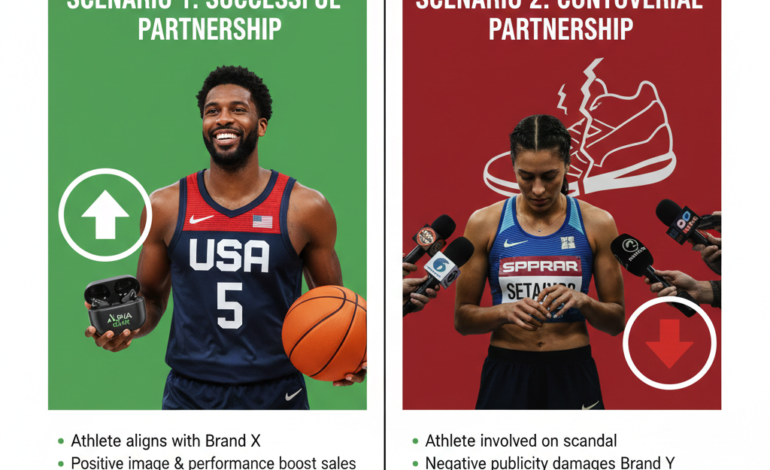

From cereal boxes to luxury car commercials, athletes are everywhere in the advertising landscape. In the United States, where sports are deeply woven into the cultural fabric, the connection between a star player and a consumer brand is powerful. When a quarterback lifts a trophy or a gymnast sticks a landing, they do more than just win a game—they capture the attention of millions. Brands pay millions of dollars to borrow that attention, betting that the athlete’s success will translate into higher sales and a stronger corporate reputation.
But does slapping an athlete’s face on a product actually work? The relationship between athlete endorsements and brand value is complex, involving psychology, economics, and media strategy. It is not just about visibility; it is about transferring the trust fans have in their heroes onto a sneaker, a drink, or a bank.
This article explores how these partnerships function, the specific ways they drive brand value, and the risks involved when things go wrong.
What Are Athlete Endorsements?
An athlete endorsement is a marketing partnership where a sports figure lends their name, image, or likeness to promote a company’s product or service. These deals can range from simple social media posts to multi-year contracts involving television commercials, signature product lines, and public appearances.
Athletes act as brand ambassadors because they possess a unique form of social capital. Unlike actors or musicians who play characters, athletes perform in real-time, high-stakes environments. Their achievements are quantifiable—points scored, races won, records broken. This creates a perception of authenticity and excellence. When an athlete endorses a product, the brand is attempting to align itself with those qualities of high performance and success.
Why Athlete Endorsements Matter in the USA
The United States has a sports culture unlike any other. Major leagues like the NFL, NBA, and MLB dominate television ratings, and events like the Super Bowl function as unofficial national holidays. In this environment, top-tier athletes often hold a status comparable to, or exceeding, that of movie stars or politicians.
This celebrity influence creates an emotional connection with fans. Consumers often feel a sense of loyalty to their favorite players. When those players recommend a product, the recommendation carries the weight of a trusted friend rather than a faceless corporation. This emotional bridge allows brands to bypass skepticism and connect directly with a consumer’s identity and passions.
How Athlete Endorsements Impact Brand Value
The primary goal of any endorsement is to increase the value of the brand. This happens through several distinct mechanisms.
Brand Awareness and Visibility
The most immediate impact of signing a famous athlete is a spike in visibility. High-profile athletes have massive media footprints. When they appear in a campaign, the brand gains exposure across television, print, and digital media.
Furthermore, sports are a global language. American athletes, particularly in basketball and tennis, often have massive international followings. Partnering with these stars allows US-based brands to expand their audience globally without needing to establish new, localized marketing strategies from scratch. The athlete serves as a universal entry point into new markets.
Trust, Credibility, and Authenticity
Reputation transfer is a key concept in marketing psychology. Fans perceive athletes as dedicated, disciplined, and elite. When an athlete endorses a nutritional supplement or athletic wear, consumers subconsciously transfer those traits to the product. If a gold medalist trusts a specific shoe technology, the consumer assumes that technology must be credible.
This boost in consumer confidence is vital for new or challenger brands. An endorsement can legitimize a company overnight, transforming it from an unknown entity into a serious competitor in the eyes of the public.
Sales and Revenue Influence
While brand equity is intangible, sales are concrete. Effective endorsements often lead to a measurable increase in purchase intent. For example, the launch of the Air Jordan line by Nike is the historical benchmark for this effect. Michael Jordan’s association with the shoes didn’t just build awareness; it created a multi-billion dollar revenue stream that persists decades after his retirement.
Short-term campaigns also see results. Limited-time collaborations or “drops” featuring athletes can sell out in minutes, driving immediate revenue spikes and creating a “halo effect” where interest spills over to the brand’s other, non-endorsed products.
Long-Term Brand Equity
Beyond immediate sales, athletes help build long-term brand equity. This refers to the value of the brand name itself—how memorable and desirable it is over time. Consistent partnerships with winners help brands charge premium pricing. Consumers are often willing to pay more for a product associated with excellence. Over years, this association builds a narrative of quality that insulates the brand from competitors who may offer lower prices but lack the “championship” aura.
Athlete Endorsements Across Industries
While sportswear is the most obvious beneficiary, athlete endorsements are effective across various sectors.
Sportswear and Apparel
This is the most natural fit. The functional relationship between the athlete and the gear makes the endorsement highly credible. Consumers believe that if the equipment aids the professional’s performance, it will aid theirs as well.
Food, Beverage, and Nutrition Brands
Athletes are viewed as pinnacles of health. Consequently, endorsements in the food and beverage sector—specifically sports drinks, protein powders, and healthy snacks—are highly effective. Brands like Gatorade have built their entire identity around fueling athletic performance, relying heavily on endorsements to maintain their market dominance.
Technology and Lifestyle Products
Increasingly, athletes are endorsing tech products, from headphones to financial apps. Here, the focus shifts from performance to lifestyle. The athlete is sold as a trendsetter or a smart professional. This signals to consumers that the product is cool, modern, and suitable for high-achievers.
Role of Social Media in Athlete Endorsements
Social media has revolutionized endorsement deals. In the past, brands relied on TV spots. Today, athletes have direct channels to millions of followers on Instagram, X (formerly Twitter), and TikTok.
This allows for direct fan engagement. An athlete can post a video of themselves using a product in their daily routine, which feels more organic than a scripted commercial. This “influencer-style” partnership often generates higher engagement rates because it feels personal. It allows for storytelling, where the athlete can explain why they use a product, providing context that a 30-second ad slot cannot.
Athlete Performance and Brand Perception
The value of an endorsement is often tied to the athlete’s performance on the field. Winning seasons tend to boost the visibility and positivity surrounding the brand. When an athlete is in the news for breaking records, the logos on their jersey or in their commercials get “free” airtime and positive association.
Conversely, a decline in performance can reduce the ROI of the deal. If an athlete is benched or fades into obscurity, the brand loses the visibility it paid for. Injuries are another significant variable; a star player sidelined for a season cannot showcase products on the field, forcing brands to pivot their marketing strategies.
Risks of Athlete Endorsements
Tying a corporate reputation to a human being carries inherent risks. Humans are unpredictable, and their actions can negatively impact the companies they represent.
Scandals and Reputational Damage
When an endorsed athlete is involved in a scandal—whether legal, behavioral, or professional—the backlash can hit the brand immediately. Consumers may boycott products or view the company as complicit if they do not sever ties. Brands often include “morals clauses” in contracts, allowing them to terminate deals if an athlete’s conduct damages the brand’s image.
Overexposure and Endorsement Fatigue
There is also the risk of overexposure. If an athlete endorses too many different products simultaneously, their credibility dilutes. Consumers may stop believing the athlete actually uses or likes the products, viewing them as a “billboard for hire.” This endorsement fatigue reduces the effectiveness of all the athlete’s partnerships.
Endorsements vs Traditional Advertising
Why do brands choose athletes over traditional actors or models?
Cost vs. ROI: Athlete endorsements are often more expensive upfront than hiring a standard actor. However, the potential ROI is higher because the athlete brings a built-in audience.
Audience Targeting: Athletes allow for precise targeting. A brand wanting to reach golf enthusiasts knows exactly who to sign. Traditional advertising relies on demographics (age, location), but athlete endorsements target psychographics (interests, passions, values).
How Brands Measure Endorsement ROI
Determining if a deal was “worth it” involves complex analytics.
- Brand Lift: Companies use surveys to measure changes in consumer perception before and after a campaign.
- Engagement Metrics: On social media, likes, shares, and comments are tracked to gauge interest.
- Sales Attribution: Through unique promo codes or analyzing sales spikes in specific regions, brands attempt to link revenue directly to the endorsement.
- Sentiment Analysis: AI tools scan social media conversations to determine if the chatter surrounding the partnership is positive, negative, or neutral.
Trends in Athlete Endorsements (2026)
As the market evolves, several trends are reshaping how these deals work.
Micro-Athlete and Niche Sport Endorsements
Brands are looking beyond the superstars of the NFL and NBA. Athletes in niche sports—like rock climbing, skateboarding, or e-sports—often have highly engaged, fiercely loyal fanbases. These “micro-endorsements” can be more cost-effective and result in higher conversion rates within specific communities.
Long-Term Partnerships Over One-Off Deals
Consumers are becoming savvy to “cash grabs.” To combat this, brands are seeking lifetime or career-long partnerships. These relationships suggest a genuine alignment of values. When an athlete sticks with a brand through wins and losses, it builds a stronger narrative of loyalty.
Values-Driven and Cause-Based Endorsements
Modern consumers expect brands to stand for something. Endorsements are increasingly focused on shared values, such as social justice, sustainability, or mental health awareness. Athletes who are vocal about causes are attractive partners for brands looking to demonstrate corporate social responsibility.
Who Benefits Most from Athlete Endorsements?
Global Brands: For giants like Nike, Adidas, or Pepsi, endorsements are about maintaining dominance. They need the biggest stars to keep their brand top-of-mind and fend off competitors.
Emerging and Challenger Brands: For smaller companies, landing a recognizable athlete can be a pivotal moment. It provides instant legitimacy. A startup energy drink partnering with a rising UFC fighter can gain traction much faster than through traditional ads alone.
Conclusion
Athlete endorsements remain one of the most potent tools in American marketing. They bridge the gap between corporate products and consumer passion, leveraging the emotional weight of sports to drive sales and build brand equity. While risks exist—from scandals to performance slumps—the potential rewards of a successful partnership are immense. As the media landscape shifts toward digital engagement and authentic storytelling, the athletes who can connect personally with fans will continue to be the most valuable assets a brand can acquire.
FAQs – Athlete Endorsements and Brand Value
Do athlete endorsements really increase brand value?
Yes, studies generally show that athlete endorsements can significantly increase brand equity. They improve brand awareness, enhance credibility through reputation transfer, and can lead to measurable spikes in sales. However, the impact depends on the “fit” between the athlete and the product.
Are athlete endorsements worth the cost?
For many brands, the answer is yes, provided the partnership is managed correctly. While the upfront costs for top-tier athletes are high, the access to a loyal fanbase and the instant credibility often deliver a Return on Investment (ROI) that outperforms traditional advertising.
What happens when an athlete faces controversy?
When an athlete faces controversy, the sponsoring brand often experiences a dip in stock price or negative public sentiment. Brands typically rely on “morals clauses” in contracts to suspend or terminate the partnership to distance themselves from the scandal and protect their image.
Social media endorsements are often more effective for engagement and reaching younger demographics (Gen Z and Millennials). They feel more personal and authentic compared to traditional TV commercials, allowing for direct interaction between the athlete and the consumer.
Which industries benefit most from athlete endorsements?
The sportswear and apparel industry benefits most directly due to the logical connection between the athlete and the gear. However, the food and beverage industry (sports drinks, nutrition), as well as the personal care and grooming sectors, also see significant value from these partnerships.