




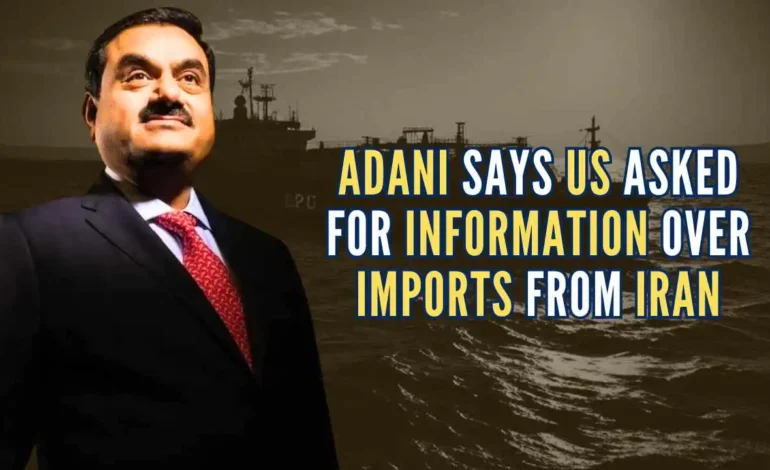

US Sanctions and Adani Group
The United States maintains a comprehensive sanctions regime aimed at deterring activities that may threaten its national security and foreign policy interests. The sanctions against Iran are particularly notable, shaped by a series of policies that seek to limit its nuclear ambitions, combat terrorism, and curb human rights abuses. The U.S. Treasury’s Office of Foreign Assets Control (OFAC) administers these sanctions, restricting trade with Iranian entities and requiring rigorous compliance from international businesses.
Adani Group, a multinational conglomerate based in India, operates across various sectors, including energy, resources, logistics, agribusiness, real estate, and financial services. Founded in 1988, the Adani Group has grown exponentially, positioning itself as a key player in the global energy market. Its operations in the energy sector are particularly significant as they contribute to energy supplies in both domestic and international contexts. The group has been proactive in expanding its footprint globally, engaging in various projects and partnerships that enhance its market influence.
As of late, the Adani Group has faced scrutiny regarding its alleged involvement in the importation of liquefied petroleum gas (LPG) from Iranian sources. This concern arises within the framework of U.S. sanctions, as trading with Iranian entities could result in penalties for attempting to sidestep the established regulatory measures. Such allegations may have far-reaching implications for Adani Group’s operations, its standing in the international community, and its business partnerships. Understanding the intersection of U.S. sanctions and the Adani Group’s business practices is crucial for stakeholders and observers alike, especially in light of evolving geopolitical dynamics.
Background of Iranian LPG Imports
Liquefied Petroleum Gas (LPG) is a flammable mixture of hydrocarbon gases, primarily propane and butane, that is used in a variety of applications. This versatile fuel is widely utilized for heating, cooking, and automotive power. Additionally, it plays a crucial role in the production of petrochemical products. The significance of LPG in the global market cannot be overstated; it serves as a cleaner alternative to traditional fossil fuels and its demand has been on the rise, particularly in developing countries where it aids in domestic energy needs.
The Iranian LPG market is characterized by its substantial reserves and production capabilities. Iran is one of the leading exporters of LPG, thanks to its vast natural gas resources and existing infrastructure for processing and exporting these hydrocarbons. The country has strategically positioned itself to supply LPG not only to neighboring regions but also to distant markets. However, the nature of Iranian LPG exports has become increasingly complicated due to the geopolitical landscape and imposition of sanctions by the United States.
US sanctions against Iran, which began in earnest after the withdrawal from the Joint Comprehensive Plan of Action (JCPOA) in 2018, have significantly affected the Iranian economy. These sanctions are aimed at curtailing Iran’s access to international markets and limiting its ability to engage in trade, particularly with regard to petrochemical exports, including LPG. As countries and companies around the world navigate these sanctions, understanding the implications on Iranian LPG imports becomes essential. The situation raises questions about compliance, the legality of potential transactions, and the broader impact on energy markets.
Allegations Against Adani Group
The Adani Group, a prominent Indian multinational corporation, has come under scrutiny due to allegations concerning the importation of liquefied petroleum gas (LPG) from Iran, which may violate existing US sanctions. These allegations suggest that the group has engaged in transactions that breach international regulations aimed at curbing trade with Iran, particularly in the energy sector.
The accusations primarily stem from a series of investigations and reports published by various news outlets and regulatory agencies, which indicate potential dealings between the Adani Group and Iranian suppliers. Notably, a detailed report by a financial newspaper highlighted discrepancies in shipping documents, which allegedly pointed to the diversion of LPG destined for India through Iranian channels.
Additionally, whistleblower accounts have surfaced, suggesting that some employees within the Adani Group raised concerns about these transactions, identifying potential risks attached to ongoing operations with Iranian entities. The whistleblowers argue that they observed irregular practices that could imply negligence toward compliance with US sanctions. These reports have ignited a broader conversation about corporate governance and regulatory adherence in multinational operations.
In light of these allegations, investigations by US sanctions authorities have been initiated to assess the veracity of the claims and determine any implications for the Adani Group. This situation underscores the complexities multinational companies face regarding trade compliance, especially in a geopolitically sensitive environment like that involving Iran. The outcomes of these investigations could not only affect the Adani Group’s reputation and operational standing but also set precedents for how such allegations are managed within the global business landscape.
Implications of the Investigation
The ongoing investigation into the Adani Group concerning its alleged Iranian liquefied petroleum gas (LPG) imports has raised substantial concerns among various stakeholders. If these allegations are proven true, the consequences for the Adani Group could be far-reaching across multiple dimensions, including legal, financial, and reputational aspects.
From a legal standpoint, should the Adani Group be found in violation of U.S. sanctions, it could face significant penalties. These penalties may include hefty fines or restrictions on certain business operations, effectively stifling the company’s ability to engage in international trade. Compliance with international sanctions is vital for large corporations, as deviations can attract the scrutiny of regulatory bodies, not only in the United States but also in other jurisdictions where Adani operates.
Financial implications are equally pressing. The adverse findings from the investigation could lead to a decline in stock prices as investor confidence wanes, prompting shareholders to reevaluate their positions. Furthermore, access to capital markets may become limited, as financial institutions might be wary of extending credit to a company under investigation for potential sanctions violations. This could impede the Adani Group’s expansion plans and operational capabilities, affecting its overall growth trajectory.
Lastly, the reputational risks associated with such allegations are substantial. The Adani Group has built its brand on trust and reliability, and any breach of compliance could tarnish its image significantly. Customers, business partners, and stakeholders may reconsider their affiliations with the company, which could lead to loss of contracts and dwindling market share. Long-term reputational damage might take years to recover from, impacting not just the Adani Group but the broader business environment in which it operates.
Reactions from Adani Group and Stakeholders
The Adani Group has categorically denied the allegations of involvement in Iranian LPG imports, emphasizing its compliance with international laws and regulations. In a recent statement, a spokesperson for the conglomerate asserted that the organization operates with full transparency and integrity in its dealings. The group further declared its commitment to ethical business practices, asserting that all operations are conducted within the frameworks established by relevant authorities.
Industry experts have weighed in on the implications of the ongoing investigation. Many analysts suggest that this scrutiny could have far-reaching effects on the Adani Group’s reputation and operational capabilities, particularly in international markets. The specter of U.S. sanctions looms large, creating concerns among business partners and investors about the potential for increased regulatory challenges.
Moreover, stakeholders within the energy sector are closely monitoring the situation. Some analysts argue that even unfounded allegations could disrupt business relationships for the Adani Group, while others express hope that the investigation may clear the air, allowing the company to refocus on growth strategies. One expert pointed out that should the allegations be substantiated, the repercussions would extend beyond the immediate financial impact, potentially affecting partnerships and future projects.
Additionally, market investors are reportedly anxious about the potential fallout. Uncertainty surrounding the investigation could prompt a reevaluation of investment strategies related to the Adani Group. Overall, the situation remains fluid, with various parties recognizing the complexity of international trade regulations and the implications that could arise from these allegations.
The Role of US Authorities in Investigations
The enforcement of U.S. sanctions is a critical function executed by several agencies, with the Office of Foreign Assets Control (OFAC) at the forefront. Established as part of the U.S. Treasury Department, OFAC administers and enforces economic and trade sanctions against targeted foreign countries and regimes. Its operations extend to investigating individuals and entities, ensuring compliance with U.S. laws relating to sanctions.
US authorities utilize a range of mechanisms to investigate potential violations of sanctions. These investigations often begin with intelligence gathering, including information from financial institutions, and tips from whistleblowers. The agencies utilize sophisticated data analytics and monitoring systems to track financial transactions, looking for patterns that may indicate violations. In instances where there is substantial evidence, OFAC may issue subpoenas to compel individuals or organizations to provide additional information.
Furthermore, the Office of Foreign Assets Control cooperates closely with other governmental agencies such as the Federal Bureau of Investigation (FBI), the Department of Justice (DOJ), and Homeland Security Investigations (HSI). This inter-agency collaboration allows for a comprehensive approach to compliance and enforcement, enabling authorities to analyze data effectively and take action against suspected sanction violators.
When a suspected violation is identified, US authorities may impose various penalties, including hefty fines, asset seizures, or even criminal charges, depending on the severity of the infraction. Moreover, businesses within the United States are also held accountable for their dealings with foreign entities, and they must ensure compliance with the sanctions to avoid repercussions.
Overall, the role of US authorities in investigating sanctions violations is pivotal in maintaining the integrity of the nation’s foreign policy and economic interests. The dedication and resources allocated to these investigations underline the commitment to upholding U.S. sanctions and deterring future violations.
Global Impact of US Sanctions on Energy Trading
The implementation of US sanctions has significantly affected global energy trading markets, particularly with respect to Iran. As one of the primary players in the LNG market, Iran’s ability to export liquefied petroleum gas (LPG) has been severely constrained by these economic measures. Sanctions not only target Iran’s capabilities to freely trade but also create a ripple effect across multiple nations and energy companies. These restrictions often compel traders and firms to navigate a complex landscape of compliance risk, often resulting in reduced engagement with Iranian markets.
Countries that have historically engaged in energy trading with Iran, including those in Europe and Asia, have had to reassess their strategies. The threat of secondary sanctions from the US poses significant compliance challenges and deters potential partnerships. As a result, many nations have been forced to diversify their energy sources, seeking alternative suppliers to mitigate the risks associated with US sanctions. This shift could lead to long-term changes in global energy supply chains, perhaps reducing reliance on Middle Eastern resources.
Moreover, sanctions frequently alter pricing dynamics in the global energy market. With the withdrawal of various foreign companies from Iran, the competitiveness of Iranian LPG on the international stage has diminished. Countries such as India and China, which continue to maintain business with Iran under certain conditions, must tread carefully, navigating the legal repercussions against their own commercial interests. In doing so, these nations contribute to a nuanced but complex geopolitical landscape that reflects the broader implications of US sanctions policy.
Ultimately, the global energy market’s landscape continues to evolve in response to the sanctions imposed by the US, illustrating the interconnectedness of energy trading and international relations. Energy companies and countries are compelled to reconsider their trading partnerships, compliance strategies, and potential political ramifications as they align themselves in this new epoch shaped by US sanctions.
Future of Adani Group and Iranian LPG Operations
The ongoing investigation into Adani Group’s alleged imports of Iranian Liquefied Petroleum Gas (LPG) raises significant questions about the future trajectory of the conglomerate’s business operations. As international scrutiny intensifies, it is plausible that the Adani Group may need to reassess its involvement in certain markets and adjust its business strategies accordingly. The potential repercussions of these investigations could range from increased regulatory compliance requirements to the need for diversifying supply sources.
Given the complexities associated with Iranian LPG imports amidst US sanctions, the Adani Group might consider restructuring its supply chain to mitigate risks. This could involve shifting focus to alternative suppliers in regions with more favorable trade relations. Additionally, enhancing transparency in its operations might be vital to reassure stakeholders and the international community regarding its adherence to global regulations.
Furthermore, the geopolitical landscape surrounding Iran and its energy exports plays a crucial role in shaping the future of Adani’s operations. As countries reassess their relationships with Iran, shifts in foreign policy or sanctions could also impact Adani’s ability to engage in these markets. For instance, if the international community were to ease sanctions on Iranian oil and gas imports, there could be a resurgence in trade opportunities. Conversely, a continued tightening of restrictions could compel Adani to pivot towards more secure and compliant business ventures, further diversifying its portfolio.
In light of possible changes in geopolitical alliances, the Adani Group’s adaptability will likely determine its success moving forward. This adaptability may not only safeguard the company against reputational risks but also position it favorably in an evolving global energy market, ensuring resilience in its strategic endeavors.
Conclusion and Key Takeaways
The recent scrutiny of Adani Group’s alleged Iranian LPG imports under US sanctions highlights the complexities surrounding international trade compliance. Understanding sanctions and their implications is crucial for businesses engaged in global operations. The legal frameworks established by various jurisdictions are not only a means of enforcing geopolitical strategies but also serve to protect economic interests and uphold national security.
The investigation into Adani’s activities raises significant questions about the enforcement of sanctions and the potential repercussions for companies engaging with sanctioned entities or countries. It emphasizes the necessity for firms to maintain robust compliance programs tailored to the evolving landscape of international trade regulations. Adani Group is now under pressure to clarify its standing and ensure its operations do not violate existing sanctions, particularly those imposed by the United States.
The outcome of this investigation could set important precedents that affect future energy trading relationships globally. A ruling against Adani could lead to stricter compliance requirements across the industry, with companies likely to enhance their due diligence checks and reassess existing trade partnerships. Alternatively, a favorable outcome might reinforce the notion that some markets have more leeway in their trading practices. Regardless of the outcome, the ongoing examination serves as a critical reminder for businesses in the energy sector and beyond to remain vigilant and informed about sanctions regulations.