


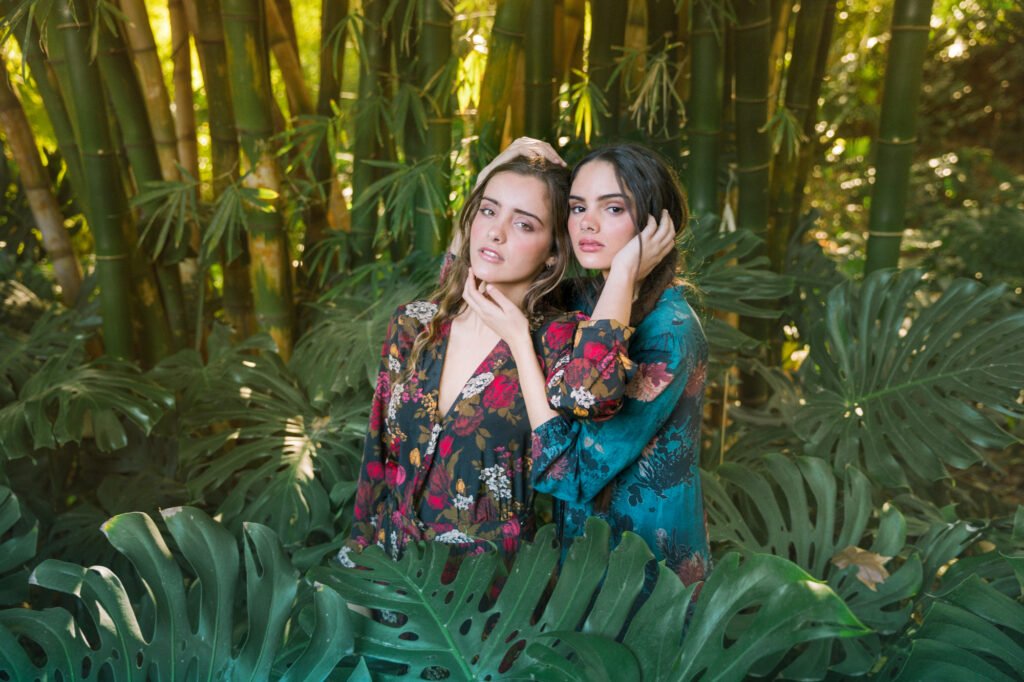
The Salwar Suit has always been more than just clothing—it represents heritage, elegance, and adaptability. From traditional celebrations to contemporary offices, this versatile ensemble has evolved alongside modern fashion sensibilities while maintaining its timeless charm. As we move through 2026, the Salwar Suit continues to reinvent itself, blending tradition with innovation in ways that speak to the diverse lifestyles of women everywhere.
What makes this year particularly exciting is how designers are pushing boundaries while respecting cultural roots. Sustainable materials meet cutting-edge silhouettes, and age-old embroidery techniques find new life on contemporary canvases. Whether you’re searching for a statement piece for an upcoming wedding or a comfortable yet polished option for work, 2026 offers a refreshing array of choices.
This guide explores the most compelling Salwar Suit trends defining fashion right now. You’ll discover how high-low hemlines are reshaping silhouettes, which color palettes are dominating runways, and how to select the perfect design for any occasion. We’ll also examine the innovative fabrics transforming the industry and share styling tips to help you create cohesive, modern looks.
Emerging Trends Reshaping Salwar Suit Design
High-Low Hemlines: The Asymmetric Revolution
Asymmetric hemlines have transitioned from experimental to essential. The high-low design—where the front sits shorter than the back—creates visual interest while offering practical mobility. This silhouette works exceptionally well for daytime events and semi-formal occasions, allowing you to showcase beautiful footwear while maintaining the graceful flow of traditional attire.
Designers are experimenting with varying degrees of asymmetry. Some styles feature subtle differences of just a few inches, perfect for conservative settings, while others embrace dramatic contrasts that make bold fashion statements. The key advantage lies in versatility: these suits transition seamlessly from day to evening with simple accessory changes.
Floor-Length Anarkalis: Timeless Grandeur Reimagined
Anarkali suits have reclaimed their position as the epitome of feminine elegance. The 2026 versions incorporate modern tailoring techniques that enhance fit and comfort without sacrificing the signature flowing silhouette. Panel construction creates better definition at the waist, while strategic gathering ensures the skirt drapes beautifully.
Contemporary Anarkalis feature updated necklines—boat necks, asymmetric collars, and sweetheart cuts—that offer alternatives to traditional round or V-neck designs. Sleeve variations range from bell sleeves with intricate cutwork to minimalist cap sleeves that highlight embellished bodices. These modifications make Anarkalis appropriate for various body types and personal style preferences.
Sustainable Fabrics Take Center Stage
Environmental consciousness has fundamentally changed fabric selection. Women are increasingly choosing Salwar Suits made from sustainable materials that don’t compromise on luxury or aesthetic appeal. This shift reflects broader awareness about fashion’s environmental impact and a desire to make more responsible choices.
Eco-friendly silk produced through ethical sericulture practices offers the same lustrous finish as conventional silk. Recycled cotton blends provide breathability and comfort while reducing water consumption and textile waste. Organic linen and hemp blends are gaining popularity for casual and semi-formal designs, appreciated for their natural texture and durability.
These sustainable options often feature natural dyes derived from plants, minerals, and other organic sources. The resulting color palettes tend toward softer, earthier tones that complement a wide range of skin tones and create sophisticated, understated elegance.
Color Palette 2026: From Futuristic to Natural
Futuristic Metallics
Metallic tones continue to dominate festive and evening wear. Silver, gold, bronze, and rose gold appear in various intensities, from subtle sheens woven into fabric to bold, reflective surfaces. These colors photograph beautifully and catch light in ways that create memorable visual impact at celebrations.
Designers are pairing metallics with unexpected complementary shades. Silver with deep forest green, gold with burgundy, and bronze with navy blue create sophisticated color combinations that feel fresh yet timeless. Metallic threadwork on matte fabrics offers another approach, adding dimension without overwhelming the overall design.
Earthy Organic Tones
On the opposite end of the spectrum, earthy colors are experiencing significant growth. Terracotta, sage green, rust, mustard, and various shades of brown appeal to those seeking understated elegance. These colors work particularly well for daytime events, office wear, and occasions requiring a more subdued aesthetic.
The beauty of organic tones lies in their versatility. They serve as excellent canvases for statement jewelry and can be dressed up or down depending on accessories and styling. These shades also tend to be universally flattering and create a grounded, approachable appearance that resonates with contemporary sensibilities.
Jewel Tones for Statement-Making
Rich jewel tones—emerald, sapphire, ruby red, and amethyst—remain perennial favorites. These deeply saturated colors convey confidence and sophistication, making them ideal choices for weddings, formal gatherings, and significant celebrations.
What’s new is how these colors are being combined. Ombre effects transitioning from one jewel tone to another, color-blocking techniques that pair complementary shades, and strategic use of contrasting dupattas create dynamic, layered looks that feel current and innovative.
Occasion-Based Styling: Choosing the Right Design
Wedding Season Splendor
Weddings demand special attention to detail and grandeur. Heavy embroidery, intricate zari work, and embellishments like sequins, pearls, and stones remain popular choices. Floor-length Anarkalis and palazzo-style Salwar Suits offer the drama and elegance appropriate for wedding celebrations.
Consider the wedding’s time and setting when selecting your outfit. Daytime ceremonies in outdoor venues call for lighter fabrics and colors, while evening receptions allow for richer tones and heavier embellishments. Coordinating your dupatta style—whether draped traditionally over the shoulder or styled more creatively—can significantly impact your overall appearance.
Office-Appropriate Elegance
Professional settings require balance between style and appropriateness. Straight-cut or A-line Salwar Suits in solid colors or subtle prints work well for office environments. Fabrics like cotton, linen blends, and lightweight crepe offer comfort during long workdays while maintaining a polished appearance.
Minimal embellishment keeps the focus on clean lines and quality tailoring. Consider designs with interesting necklines or sleeve details that add visual interest without appearing overly decorative. Neutral and jewel tones convey professionalism, while the right accessories—a structured handbag, elegant watch, and understated jewelry—complete the look.
Casual Outings and Everyday Wear
Comfort becomes paramount for casual settings. Kurta-style tops paired with straight pants or leggings offer ease of movement and relaxed elegance. Cotton, jersey, and rayon fabrics provide breathability and require minimal maintenance.
Prints and patterns shine in casual wear. Geometric designs, florals, abstract prints, and ethnic motifs add personality without requiring extensive embellishment. These outfits transition easily from shopping trips to casual lunches to evening gatherings with friends, making them practical investments for everyday wardrobes.
Fabric Innovations Transforming Traditional Wear
Eco-Friendly Silk Revolution
Traditional silk production has evolved to embrace sustainable practices. Ahimsa silk, produced without harming silkworms, offers an ethical alternative that maintains the fabric’s characteristic sheen and drape. Peace silk and wild silk varieties provide unique textures while supporting environmentally responsible production methods.
These eco-friendly silks work beautifully for both heavily embellished formal wear and simpler, elegant designs. The fabric’s natural temperature-regulating properties ensure comfort across seasons, while its durability means properly cared-for pieces can last for years.
Recycled Cotton Blends
Recycled cotton combines pre-consumer and post-consumer cotton waste to create new fabrics. Modern processing techniques ensure these materials match virgin cotton in softness, durability, and appearance. Blended with small percentages of elastane or other fibers, recycled cotton offers stretch and recovery that enhance comfort and fit.
For Salwar Suits, recycled cotton works particularly well in casual and semi-formal designs. It accepts natural dyes readily, prints clearly, and withstands frequent washing without significant deterioration. This makes it an excellent choice for everyday wear that needs to perform reliably while supporting sustainable fashion choices.
Technical Fabric Integration
Some contemporary designers are incorporating technical fabrics originally developed for sportswear. Moisture-wicking properties, four-way stretch, and wrinkle resistance make these materials practical for women with active lifestyles. While maintaining traditional silhouettes, these innovations address real-world needs for comfort and easy care.
Blended fabrics that combine natural fibers with technical elements offer the best of both worlds—the breathability and aesthetic of traditional materials with enhanced performance characteristics. This innovation particularly benefits professional women who need outfits that look polished throughout demanding days.
Accessorizing Your Look: The Finishing Touches
Jewelry Selection for Modern Silhouettes
Contemporary Salwar Suit designs often feature interesting necklines and sleeve details that influence jewelry choices. Statement earrings work beautifully with simpler necklines, while elaborate neckpieces complement plain bodices. Consider the overall balance—heavily embellished outfits typically require more restrained jewelry, while minimal designs can carry bolder accessories.
Layering has become increasingly popular. Multiple delicate chains, stacked bangles, or several rings create personalized looks that reflect individual style. Mixing metals—gold with silver, or rose gold with yellow gold—adds contemporary edge to traditional jewelry styles.
Footwear That Complements
The right footwear completes your ensemble while ensuring comfort. Traditional juttis and mojaris remain popular for their craftsmanship and cultural authenticity. Contemporary versions feature updated embellishments, new color combinations, and enhanced arch support for improved wearability.
Heeled sandals elevate formal outfits, particularly when showcasing high-low hemlines or ankle-length designs. Block heels offer stability without sacrificing elegance, making them practical choices for events requiring extended standing or walking. For casual wear, embellished flats or low wedges provide comfort while maintaining visual interest.
Dupatta Styling Techniques
The dupatta offers creative opportunities for personalizing your look. Traditional draping over one shoulder remains classic and appropriate for formal occasions. Wrapping it around both shoulders creates a more conservative appearance suitable for religious ceremonies or traditional gatherings.
Contemporary styling options include draping the dupatta loosely around the neck like a scarf, pinning it at the shoulders for a cape-like effect, or even wearing it as a stylish belt around the waist. Experiment with different techniques to discover what flatters your body type and complements your outfit’s overall aesthetic.
Why These Designs Belong in Your Wardrobe
The 2026 Salwar Suit collections represent more than passing trends—they reflect fundamental shifts in how women approach traditional wear. Sustainability, versatility, and personal expression have become central considerations alongside aesthetic appeal. These designs acknowledge that modern women need clothing that adapts to multiple roles and settings while maintaining cultural connections.
Investing in quality pieces from these current trends means acquiring garments that will remain relevant beyond a single season. Classic silhouettes updated with contemporary details, timeless colors presented in fresh combinations, and sustainable fabrics that perform beautifully—these elements ensure your wardrobe remains current and functional for years to come.
The beauty of Salwar Suits lies in their inherent adaptability. With thoughtful accessorizing and styling, a single well-chosen piece can serve multiple purposes across various occasions. This versatility makes them practical investments that deliver value far beyond their initial cost.
Refresh Your Style with the Latest Collection
Ready to explore these exciting trends firsthand? Browse our curated collection of 2026 Salwar Suit designs featuring all the styles, colors, and innovations discussed here. Each piece is thoughtfully selected to represent the best of contemporary design while honoring traditional craftsmanship.
Visit our showroom or explore online to discover your perfect Salwar Suit. Our style consultants are available to help you select designs that complement your personal aesthetic and lifestyle needs. Join our mailing list to receive exclusive updates on new arrivals, styling tips, and special promotions delivered directly to your inbox.
Transform your wardrobe with pieces that celebrate heritage while embracing innovation. Your next favorite Salwar Suit is waiting.
Related post:
| Complete Guide to Ethnic Wear for Women in India (2026) |
| Types of Ethnic Wear Every Indian Woman Should Own in 2026 |


