




The Cost of Getting Streaming Wrong: Impacts on the TV Industry

The Streaming Revolution
The landscape of the television industry has undergone a profound transformation with the advent of streaming services. This shift represents more than just a change in how viewers access content; it signifies a revolution in the entire model of television consumption. Streaming has enabled viewers to enjoy an extensive range of content at their convenience, fundamentally altering viewing habits.
In the past, traditional television was dominated by scheduled programming and fixed viewing times, often requiring audiences to adapt their schedules to the whims of broadcasters. However, the rise of streaming platforms such as Netflix, Hulu, and Amazon Prime Video has liberated audiences from these constraints, allowing them to watch their favorite shows and movies whenever they choose. This flexibility has contributed to the meteoric success of streaming services, which have gained millions of subscribers worldwide.
The rapid growth of these services highlights a significant shift in consumer preferences. Streaming platforms offer vast libraries of content, encompassing a wide variety of genres, languages, and independent productions. This diversity not only attracts a broader audience but also fosters a more personalized viewing experience. Coupled with the ability to binge-watch entire seasons, streaming has captivated viewers in unprecedented ways.
Nevertheless, this evolution presents considerable challenges for traditional television networks. As audiences migrate to streaming services, legacy broadcasters struggle to maintain their viewer base and advertising revenues. In response, many networks have begun to adapt their strategies, offering their content on streaming platforms and developing their own services. The ongoing tension between streaming providers and traditional broadcasters underscores the importance of understanding and adapting to the changing dynamics of the television industry.
The Rise of Streaming Services
The advent of streaming services such as Netflix and Hulu represents a significant turning point in the television industry. Initially launched in the early 2000s, these platforms emerged as early adopters in a landscape dominated by traditional cable television. By offering viewers the ability to watch content on-demand and providing flexibility in viewing schedules, streaming services quickly captured the attention of audiences.
These services introduced a revolutionary business model that shifted the focus from scheduled programming to consumer control. This provided viewers with the freedom to select what they wanted to watch and when, a stark contrast to the rigidity of traditional broadcasting. As a result, many consumers began to see the value in subscription-based services that allowed them instant access to a diverse library of shows and movies.
The rise of streaming services also coincided with significant technological advancements, including faster internet speeds and the proliferation of smart devices. This evolution facilitated the growth of streaming as a popular form of entertainment. As audiences became more comfortable with online streaming, the reliance on cable subscriptions started to wane, leading to a notable decline in traditional TV viewership.
Moreover, streaming platforms began to invest heavily in exclusive content, which further attracted users seeking unique programming not available through conventional channels. The combination of original content, personalized viewing experiences, and user-friendly interfaces contributed to the rapid expansion of these platforms.
As streaming services continued to evolve, they began to fragment the market, prompting additional competition and further shaping viewer behavior. This shift has had cascading effects on how television is produced, marketed, and consumed. Consequently, traditional cable providers found themselves at a crossroads, having to reassess their strategies in light of the growing influence of streaming services.
Missteps in Streaming Strategy
The rapid evolution of the streaming landscape has altered the dynamics of the television industry, often exposing significant missteps by both traditional broadcasters and newer entrants into the streaming arena. One critical mistake has been the failure to adapt swiftly to changing consumer preferences. Many established networks initially hesitated to fully embrace streaming platforms, miscalculating the pace at which audiences would shift from traditional cable to digital consumption. This resulted in a loss of viewership and advertising revenue, which is critical for sustaining their operations.
Moreover, some companies have focused inadequately on content strategy. By over-investing in high-profile series or films while neglecting niche content that appeals to specific demographics, they have overlooked valuable audience segments. This narrow focus can alienate potential subscribers who are seeking diverse programming options. Furthermore, pitfalls in content strategy often manifest in inadequate promotional efforts, failing to generate buzz around new releases, which can diminish the effectiveness of the investment made in content creation.
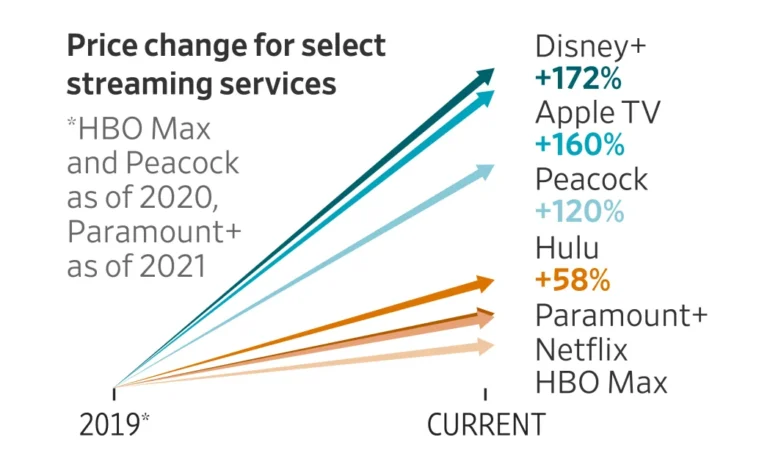
Pricing miscalculations also play a vital role in jeopardizing the financial viability of streaming services. Some platforms have introduced pricing models that either undervalue the service against competitors or are excessively high, driving potential subscribers away. In an industry where consumer loyalty is fragile, misjudging the price point can result in significant subscriber churn, thus undermining the overall profitability of a service. This pricing dilemma is particularly evident in the context of bundled services, where audiences often find it challenging to discern the value offered across multiple subscriptions.
Such missteps illustrate the delicate balance that must be maintained in the streaming sector. The interplay of pricing, content strategy, and market timing is crucial for fostering sustainable growth in an increasingly competitive environment.
Impact on Viewership Trends
Over the last decade, the television landscape has undergone significant transformations, primarily driven by the rapid rise of streaming services. Traditional live TV audiences have witnessed a pronounced decline, as viewers increasingly gravitate towards on-demand platforms that offer both convenience and personalization. This shift has reshaped viewership habits, drawing attention to the evolving preferences among consumers. Data from various studies indicate that live TV viewership has dropped by over 20% since 2015, highlighting a critical change in how audiences engage with content.
Streaming platforms have introduced a new paradigm where viewers are no longer tethered to specific broadcast schedules. This flexibility is tempting audiences away from traditional cable channels, resulting in a substantial decrease in ratings for many networks. Popular platforms such as Netflix, Hulu, and Amazon Prime Video provide a diverse range of programming, catering to niche markets that may not receive adequate attention from traditional television. For instance, the viewership of scripted dramas on live television has seen a marked decline, leading to concerns regarding the long-term viability of certain genres.
Advertisers have also taken notice of this shift in audience behavior. As viewership ratings dip, many traditional networks face challenges in maintaining ad revenues, which are heavily reliant on strong audience numbers. In contrast, streaming services have created alternative methods for monetization, including subscription models and targeted advertising, which capitalize on viewer data to enhance engagement. Consequently, this transition has not only influenced the economic structure of the television industry but has also prompted a re-evaluation of content creation strategies. As networks strive to reclaim audience interest, they must adapt to the realities of a streaming-dominated environment.
Repercussions for Content Creators
The shift towards streaming platforms has dramatically altered the landscape for content creators, including writers, directors, actors, and production crews. The influx of digital distribution options has created both opportunities and challenges, leading to a complex evolution in job security, content ownership, and contractual agreements.
First and foremost, job security has become a significant concern for many creators in the industry. Unlike traditional television, where shows might have longer runs and established audience bases, streaming platforms often prioritize quick, data-driven decisions. This can lead to sudden cancellations and shifts in production strategies, leaving creators uncertain about their future roles and projects. Writers, for example, may find themselves navigating a landscape fraught with short-term contracts that prioritize adaptability over long-term relationships.
Content ownership is another critical issue emerging from the streaming model. In traditional setups, creators often retained certain rights to their work, allowing them to benefit from subsequent sales or adaptations. With the rise of streaming, many contracts now favor platforms that seek to acquire full ownership of content. This shift places creators at a disadvantage, as they may surrender their rights to the very stories they built, affecting potential revenue streams and royalties.
Furthermore, the contracts that accompany new streaming deals are continuously evolving. Creators are now faced with a range of unpredictable terms concerning their rights, compensation, and working conditions. The increasing complexity of these agreements often requires creators to seek legal advice, adding to the costs and time constraints involved in the creative process.
In conclusion, while streaming services offer new avenues for content distribution, they simultaneously introduce significant challenges for creators. The balance of power has shifted, creating an environment where job security, ownership rights, and contract terms necessitate careful consideration in order to navigate the modern television landscape successfully.
Impact on Advertising Revenue
The shift from traditional television to streaming platforms has fundamentally altered the advertising landscape within the TV industry. As audiences increasingly favor on-demand viewing over live broadcasts, advertisers face the challenge of reaching their target demographics effectively. This transition has forced traditional networks to adapt their advertising strategies and rethink how they engage with audiences.
Traditional TV networks, which once thrived on high viewership numbers and commercial slots, now struggle to attract advertisers as viewership declines due to the growing popularity of streaming services. Platforms like Netflix, Hulu, and Amazon Prime Video offer subscription models that often eliminate commercials altogether, effectively disrupting the established revenue models of conventional television. As advertisers observe this shift, they are increasingly allocating their budgets toward digital ad models that incorporate innovative approaches to audience engagement, such as targeted ads based on user preferences and behavior.
This changing dynamic has also led to a proliferation of streaming services, each vying for viewer attention. Consequently, this fragmentation complicates the advertising strategies of traditional TV networks. As viewers migrate away from live programming, these networks risk losing significant portions of their advertising revenue. In addition to the competition from streaming services, there is the issue of measurement—the challenge of accurately gauging audience engagement and the effectiveness of advertisements across platforms. Advertisers require robust data analytics to assess their campaigns, which streaming platforms are able to provide more efficiently than traditional networks.
The implications for the TV industry are profound, as the traditional revenue streams based on advertising face considerable decline. With audiences increasingly tuning into streaming formats, the ramifications for conventional television are significant, warranting a reevaluation of how advertising revenue is generated in this new media landscape.
The Future of the TV Industry
The television industry is at a transformative junction, largely influenced by the rapid growth of streaming services. As consumer preferences shift towards on-demand viewing, traditional television networks must navigate an evolving landscape characterized by unparalleled competition and technological advancements. The future may witness a gradual convergence between streaming platforms and conventional broadcasters, leading to potential mergers and collaborations that can reshape market dynamics.
One significant trend likely to emerge is the evolution of content delivery models. Traditional advertisers and networks are adapting to consumers’ diverse viewing habits, including increased mobile and internet usage. As audiences now seek personalized and flexible content experiences, networks may invest in technology that leverages data analytics and artificial intelligence to tailor offerings. This shift toward personalization not only aims to enhance viewer engagement but also to optimize advertising strategies, making ad placements more effective and relevant.
Additionally, viewer demographics continue to change, with younger audiences gravitating towards streaming services primarily for their variety and accessibility. This demographic shift will compel traditional networks to rethink their programming approaches. They may need to invest in producing unique, compelling content that resonates with younger viewers while retaining existing audience segments. Moreover, as the lines between different types of content blur, the industry’s stakeholders may explore innovative formats, including interactive TV shows and live streaming events, which can appeal to a more engaged audience.
Finally, alternative revenue models may begin to take shape. Subscription-based services have surged in popularity, leading to forecasts suggesting a future where ad-supported streaming options become more prevalent, allowing networks to recover costs while providing free or lower-cost content to viewers. The adaptive strategies that networks adopt will be pivotal in their ability to thrive amidst this evolving landscape, ultimately helping them to secure a place in the future of the TV industry.
Lessons Learned: What the Industry Can Do Differently
The television industry has undergone significant changes due to the rise of streaming services, and there are crucial lessons to be learned from this transformation. One of the fundamental areas of improvement is the necessity for the industry to embrace digital transformation fully. Traditional models of television have relied heavily on scheduled programming and advertisement revenues; however, the streaming landscape demonstrates that on-demand content consumption is now a dominant trend. Consequently, the industry must adopt more flexible content delivery methods that align with the preferences of modern viewers.
Understanding audience preferences has emerged as a critical component for success in the evolving media environment. The data-driven insights provided by streaming platforms offer valuable information regarding viewer habits, including what content is consumed, when, and for how long. By leveraging these insights, television networks can better curate their offerings to meet the demand for personalized viewing experiences. The ability to adapt to shifting audience expectations will ultimately allow the industry to create more compelling and relevant content, fostering viewer loyalty.
Moreover, investing in original content has become paramount as the competitive landscape intensifies. Streaming giants such as Netflix and Amazon Prime have demonstrated that exclusive, high-quality programming can differentiate their platforms and attract subscribers. Therefore, traditional networks should pivot their strategies to include substantial investments in original productions, indicating a commitment to creativity and innovation. By producing unique content that resonates with diverse audiences, the television industry can reclaim its relevance in a saturated market.
Conclusion: A New Era for Television
The television industry is currently navigating a transformative period, largely influenced by the rapid rise of streaming platforms. The advent of services such as Netflix, Hulu, and Amazon Prime Video has ushered in a new era characterized by on-demand viewing, personalized content, and intensified competition. This shift has compelled traditional television networks to reevaluate their content strategies and distribution models, ultimately leading to a reevaluation of what audiences expect from their viewing experiences.
As viewers increasingly seek convenience and variety, the importance of adaptability within the television industry becomes clear. Stakeholders, including producers, writers, and executives, must recognize that the landscape is continuously evolving. The ability to innovate in response to changing consumer preferences will dictate the success of both existing networks and emerging platforms. Embracing the streaming model does not merely mean replicating content but also involves exploring new narratives, formats, and methods of engagement to captivate a diverse audience.
Moreover, as the lines between traditional television and online streaming become increasingly blurred, the potential for reinvention is immense. Networks can harness the power of data analytics, allowing them to better understand audience demographics and preferences. This insight can drive content creation towards more niche programming that captures specific interests and can even result in the cultivation of loyal viewer bases.
In conclusion, the television landscape is at a crossroads. The past few years have highlighted the repercussions of getting streaming strategies wrong, affecting revenue, viewership, and content creation. However, with the right approach and an openness to change, the TV industry holds the potential to thrive in this new environment, utilizing innovation as a cornerstone for future growth and sustainability.