


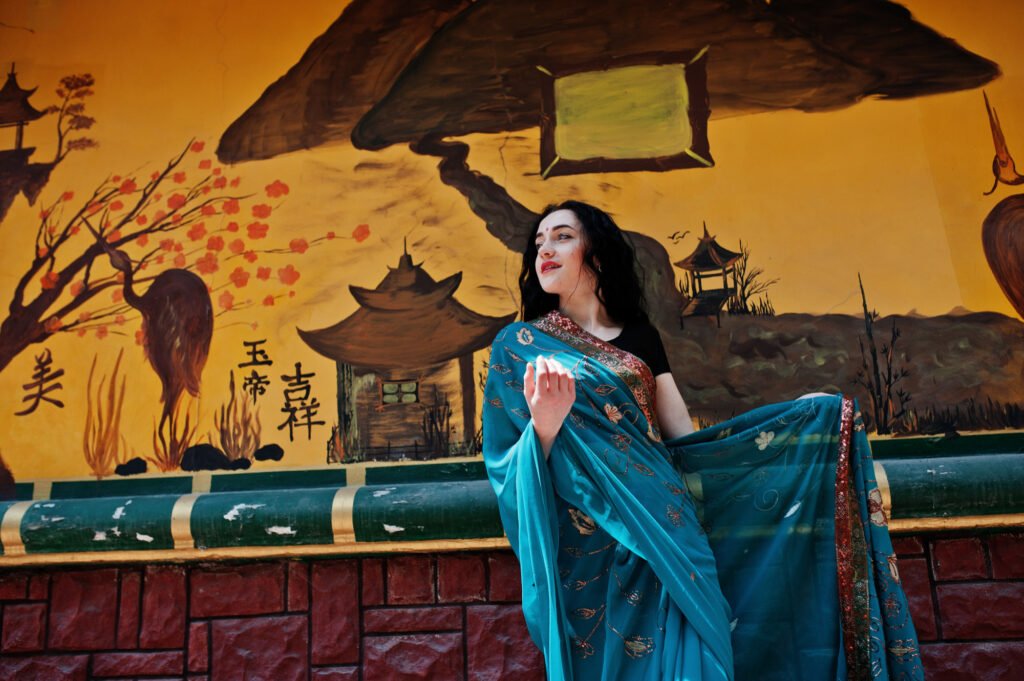
The saree has always been more than just a garment. It’s a cultural artifact, a piece of art, and a statement of identity that has evolved across centuries. But 2026 marks a turning point—a year where tradition meets innovation in the most unexpected ways.
From eco-conscious fabrics to tech-enhanced textiles, the saree is being reimagined by designers who refuse to choose between heritage and modernity. Younger generations are embracing drapes their grandmothers would recognize, but with twists that feel entirely new. Meanwhile, global runways are placing the saree at the center of conversations about sustainable fashion and wearable technology.
Whether you’re someone who wears sarees daily or you’re rediscovering them after years, 2026 offers something remarkable: a wardrobe staple that honors the past while boldly stepping into the future. This guide breaks down the key trends shaping saree fashion this year—and how you can make them your own.
Rise of Sustainable Sarees
Sustainability isn’t just a buzzword anymore. It’s reshaping how sarees are made, sold, and worn.
More brands are turning to organic cotton, bamboo silk, and peace silk (also known as ahimsa silk, which doesn’t harm silkworms). These fabrics offer the same luxurious feel as conventional materials but come with a significantly lower environmental footprint. Organic cotton sarees, for example, use 91% less water than traditional cotton production.
Eco-friendly dyes are also gaining traction. Natural dyes made from turmeric, indigo, pomegranate, and marigold are replacing chemical alternatives that pollute waterways. The result? Rich, earthy tones that age beautifully and tell a story with every wash.
The slow fashion movement has influenced saree culture in another way: people are buying fewer sarees but investing in higher-quality pieces. Hand-loomed sarees from regions like Varanasi, Kanchipuram, and Chanderi are being treasured as heirlooms rather than one-time occasion wear. Weavers are being credited and compensated fairly, making every purchase an act of cultural preservation.
If you’re looking to build a more sustainable saree wardrobe, start by seeking out labels that prioritize transparency. Look for certifications like GOTS (Global Organic Textile Standard) or support cooperatives that work directly with artisan communities.
Tech-Infused Textiles
Technology and tradition might seem like opposites, but in 2026, they’re collaborating in fascinating ways.
3D printing is being used to create intricate saree borders and embellishments that would take weeks to hand-embroider. Designers are experimenting with biodegradable polymers to print delicate floral motifs and geometric patterns directly onto fabric. The precision is stunning, and the time saved allows artisans to focus on other creative aspects of the design.
Smart fabrics are another breakthrough. Some sarees now feature temperature-regulating fibers that keep you cool in summer and warm in winter. Others incorporate moisture-wicking technology, making them practical for all-day wear. While these might sound futuristic, they’re already available in select collections targeting urban professionals who need versatility without sacrificing style.
There’s also a growing interest in UV-protective fabrics. With increasing awareness about sun damage, sarees treated with UV-blocking technology are becoming popular among women who spend time outdoors—whether attending garden parties or commuting to work.
Traditional weavers are embracing these innovations too. Some looms are now semi-automated, allowing for complex patterns that would be nearly impossible to achieve by hand. This doesn’t replace the weaver’s skill; it enhances it, giving them new tools to push creative boundaries.
Modern Silhouettes
The drape is changing. Pre-draped sarees—sarees that come pre-stitched and ready to wear—are no longer considered a compromise. They’re a category of their own.
Pre-draped sarees offer the elegance of traditional draping without the time or skill required to achieve it. They’re especially popular among younger women who love the look of a saree but don’t have the patience for pleating. Designers are creating pre-draped versions with innovative silhouettes: asymmetrical hemlines, layered pallu styles, and even convertible drapes that can be worn multiple ways.
Pant-style saree drapes are having a major moment. These hybrid garments pair a saree with fitted trousers or dhoti pants, offering ease of movement without sacrificing the saree’s flowing aesthetic. They’re ideal for events that require both style and practicality—think outdoor weddings, conferences, or long evenings where comfort matters.
Capes are back, and they’re heavier and more dramatic than ever. Attached or detachable, these capes replace the traditional blouse or add an extra layer of grandeur. Some are embroidered with intricate zardozi work, while others feature minimalist cuts that let the saree do the talking.
Belted sarees are also trending. A structured belt worn over the saree at the waist creates definition and adds a contemporary edge. It’s a styling trick borrowed from Western fashion but adapted beautifully to ethnic wear.
These modern silhouettes prove that the saree is far from static. It’s a canvas that can be endlessly reinterpreted.
Color Palette Forecast
Color trends for 2026 are all about balance—softness with depth, subtlety with statement.
Metallic pastels are leading the charge. Think blush pink with silver undertones, powder blue with hints of pearl, and mint green with a frosted finish. These shades work beautifully for daytime events and offer a fresh alternative to bold, saturated colors.
Earthy jewel tones are equally dominant. Deep emerald, ruby red, sapphire blue, and amethyst purple are being embraced for their richness and versatility. These colors pair well with gold jewelry and work across seasons, making them smart investments.
Monochrome sarees are also gaining popularity. A saree in a single shade—blouse, fabric, and border all matching—creates a sleek, modern look. Designers are playing with texture instead of color to add visual interest, using jacquard weaves, embossed patterns, or tone-on-tone embroidery.
Ombre and gradient effects continue to captivate. Sarees that transition from one color to another—say, from coral to peach, or navy to sky blue—offer a dynamic visual appeal. These are especially popular for evening events where lighting can enhance the color shift.
Neutral tones like ivory, beige, and taupe are timeless, but they’re being elevated with metallic accents or intricate handwork. A cream saree with gold zari detailing remains a go-to for formal occasions.
When choosing colors, consider your skin tone, the occasion, and how the saree will photograph. Metallic and jewel tones tend to stand out beautifully in photos, while pastels offer a softer, more understated elegance.
Accessory Pairings
The right accessories can transform a saree from beautiful to unforgettable.
Statement jewelry is essential. Chunky silver oxidized pieces are trending, especially for sarees in earthy or jewel tones. Layered necklaces, oversized jhumkas, and bold cuffs add personality and draw the eye. For minimalist sarees, go big with jewelry. For heavily embellished sarees, keep accessories simple.
Contemporary footwear is replacing traditional heels. Block-heeled sandals, embroidered mules, and even sleek sneakers are being styled with sarees. The key is to choose footwear that complements the saree’s vibe—formal sarees pair well with structured heels, while pre-draped or pant-style sarees look great with flats or low heels.
Clutches and potlis are evolving too. Look for bags with unique textures—velvet, beadwork, or metallic finishes. Crossbody bags are also gaining acceptance, especially for daytime saree looks where practicality matters.
Hair and makeup play a huge role in completing the look. Sleek buns or loose waves work well with traditional sarees, while braids or half-updos suit more casual drapes. Makeup trends lean toward dewy skin, bold lips, and defined eyes—classic choices that never go out of style.
Don’t underestimate the power of a well-chosen bindi or hair accessory. Fresh flowers tucked into a bun, a delicate maang tikka, or even a statement hairpin can elevate your entire look.
Embrace the Evolution
The saree is proving, once again, that it can evolve without losing its soul. From sustainable fabrics to tech-enhanced textiles, from modern silhouettes to bold color palettes, 2026 is a year of exciting possibilities.
Whether you’re drawn to eco-friendly materials, fascinated by smart fabrics, or simply love experimenting with new drapes, there’s a saree trend waiting for you. The beauty of this garment lies in its versatility—it adapts to your lifestyle, your values, and your personal style.
As you build your saree wardrobe this year, think beyond trends. Choose pieces that resonate with you, that you’ll reach for again and again. Invest in quality, support artisans, and don’t be afraid to experiment.
Ready to explore the latest in saree fashion? Shop our exclusive collection for early access to next-gen styles that blend tradition with innovation. Your perfect saree is waiting.
Related blog post:


