



Why Clean Eating Is Trending in the USA
Clean eating is reshaping how Americans approach food. This guide explains why the trend is growing, what clean eating really means, and how it fits modern lifestyles.

Walk down the aisle of any major supermarket in the United States today, and you will notice a shift. The brightly colored boxes of sugary cereals and neon-orange snacks that defined American childhoods in the 90s are facing stiff competition. In their place, shelves are increasingly stocked with products boasting “simple ingredients,” “no artificial preservatives,” and “non-GMO.” This isn’t just a marketing pivot; it is a direct response to a massive cultural change in how Americans approach food.
We are witnessing a departure from the calorie-counting obsessions of previous decades. Instead of asking “how much does this weigh?” or “how many points is this?”, shoppers are now flipping packages over to ask, “what is actually in this?” This movement, broadly known as clean eating, has transformed from a niche health trend into a mainstream lifestyle. It is reshaping grocery lists, restaurant menus, and family dinner tables from California to the Carolinas.
But why now? In a country famous for fast food and supersized portions, the clean eating wave represents a desire for control and clarity. It is less about restriction and more about connection—understanding where food comes from and how it affects the body. Whether driven by a desire for better energy, longevity, or simply a mistrust of ultra-processed options, millions of Americans are deciding that when it comes to their meals, less is often more.
What Is Clean Eating?
At its core, clean eating is a deceptively simple concept. It is not a diet in the traditional sense. There is no rule book that bans specific macronutrients like carbohydrates or fats. Instead, clean eating focuses on consuming foods that are as close to their natural state as possible. It prioritizes whole, unprocessed, or minimally processed foods while minimizing ultra-processed items loaded with additives, artificial sweeteners, and preservatives.
Simple definition
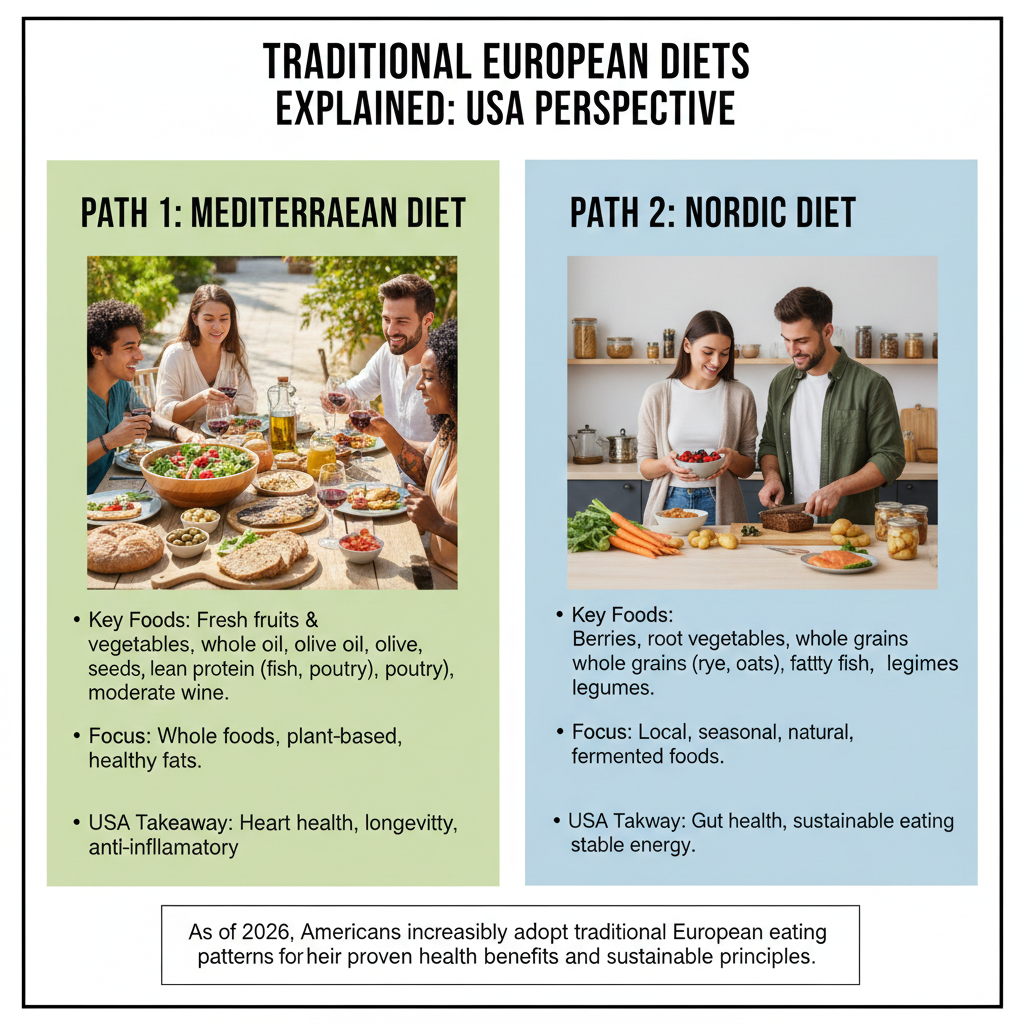
Think of it this way: clean eating is the difference between an apple and apple-flavored gummy snacks. One came from a tree; the other came from a laboratory. A clean eating approach encourages filling your plate with vegetables, fruits, whole grains, animal and plant proteins, nuts, and seeds. It champions cooking from scratch and simplifying ingredient lists so that you recognize every item on the back of the package.
Clean eating vs dieting
The most significant distinction between clean eating and traditional dieting is the mindset. “Dieting” often implies a temporary period of restriction to achieve a specific result, usually weight loss. It is often accompanied by hunger, guilt, and a finish line. Clean eating, conversely, is viewed as a sustainable lifestyle. It is about fueling the body with nutrient-dense foods to feel good, rather than depriving the body to look a certain way. It shifts the focus from quantity (calories) to quality (nutrition).
Why Clean Eating Is Gaining Popularity in the USA
The rise of clean eating didn’t happen in a vacuum. It is a reaction to the specific health landscape of the United States. For years, the Standard American Diet (ironically acronymed SAD) relied heavily on convenience foods high in sodium, sugar, and unhealthy fats. As rates of chronic issues like heart disease and diabetes climbed, so did public interest in preventative health measures.
Rising health awareness
Americans are more health-literate than ever before. Information is accessible instantly, and people are connecting the dots between what they eat and how they feel. There is a growing understanding that food is functional. It isn’t just fuel for the engine; it’s information for our cells. This awareness has spurred a collective desire to invest in health through the grocery cart, rather than relying solely on medicine after health issues arise.
Concerns about ultra-processed foods
Perhaps the biggest driver is the growing skepticism toward ultra-processed foods (UPFs). Research has increasingly linked high consumption of UPFs—foods containing ingredients you wouldn’t find in a home kitchen—to various health concerns. Americans are becoming wary of ingredient lists that look like chemistry experiments. The desire to remove the “mystery” from meals is driving people back to basics.
Key Reasons Behind the Clean Eating Trend
Several converging factors have pushed clean eating from health blogs to the heartland. It is a mix of transparency, biology, and culture.
Focus on Whole, Real Foods
The primary appeal is simplicity. In a complex world, there is something grounding about eating food that looks like food.
Fewer additives and preservatives
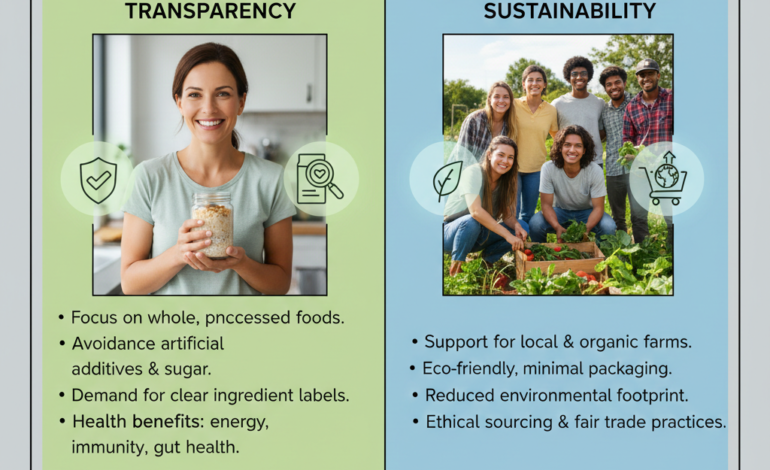
Many consumers are actively trying to reduce their intake of synthetic dyes, high-fructose corn syrup, and artificial flavorings. The clean eating philosophy suggests that if you don’t need red dye No. 40 to make a strawberry taste good, you shouldn’t eat it. This isn’t necessarily about fear-mongering, but rather a preference for the authentic taste and nutritional profile of real ingredients.
Ingredient transparency
Trust in big food corporations has wavered. Consumers want to know where their food comes from, how it was grown, and how it was treated. Brands that offer transparency—listing ingredients clearly on the front of the pack or explaining their sourcing—are winning loyalty. The “farm-to-table” concept has trickled down from high-end restaurants to everyday buying habits.
Increased Label Awareness
The days of blindly tossing items into the cart are fading. Americans are becoming amateur detectives in the grocery aisle.
Reading nutrition labels
Shoppers are looking beyond the calorie count. They are scanning the ingredient hierarchy. If sugar is the first ingredient in a “healthy” granola bar, it stays on the shelf. This habit of scrutiny forces manufacturers to clean up their formulations or risk losing market share.
Demand for clean-label products
This scrutiny has birthed the “clean label” movement in the food industry. Consumers are demanding products with short, understandable ingredient lists. They want bread made of flour, water, yeast, and salt—not bread made of 25 ingredients including dough conditioners and preservatives.
Desire for Better Energy and Wellness
Americans are tired. Between demanding jobs, family obligations, and a 24/7 digital culture, fatigue is a common complaint. Many have found that the Standard American Diet contributes to this lethargy.
Stable energy levels
Reliance on sugary snacks and refined carbs leads to the dreaded blood sugar roller coaster—a spike followed by a crash. Clean eating, which typically combines fiber, protein, and healthy fats, provides a slower, more sustained release of energy. People are turning to whole foods not just to lose weight, but to get through the workday without needing a nap at 3 PM.
Digestive and metabolic benefits
Gut health is another major buzzword driving this trend. With more people suffering from bloating and digestive discomfort, there is a push toward foods that support digestion. Whole foods, rich in natural fiber and devoid of artificial sweeteners that can disrupt gut bacteria, are often the first line of defense for those seeking digestive relief.
Influence of Wellness Culture
We cannot ignore the screen in the room. Social media has played a massive role in glamorizing healthy eating.
Social media and health influencers
Platforms like Instagram and TikTok are flooded with vibrant images of acai bowls, perfectly roasted vegetables, and meal-prep Sunday routines. Influencers have rebranded healthy eating from “boring” to “aspirational.” Seeing a favorite creator glowing and energetic while eating a salad influences followers to try the same.
Holistic lifestyle alignment
Clean eating fits into a broader wellness puzzle that includes yoga, mindfulness, and self-care. It is viewed as one pillar of a curated, healthy lifestyle. It’s not just about the food; it’s about the identity of being someone who takes care of themselves.
Clean Eating and American Dietary Habits
This shift is changing how American kitchens operate. The microwave meal is losing ground to the cutting board.
Shift away from ultra-processed foods
Sales data shows a stagnation or decline in legacy processed food brands, while fresh perimeters of grocery stores (produce, meat, dairy) are seeing growth. People are swapping sugary sodas for sparkling water and potato chips for nuts or air-popped popcorn. The definition of a “snack” is evolving from a packaged treat to a piece of fruit or a handful of almonds.
Home cooking and meal prep growth
The clean eating trend has revitalized home cooking. To control ingredients, you have to be the chef. “Meal prep” has become a Sunday ritual for millions, where grains are cooked, veggies are chopped, and proteins are grilled for the week ahead. This habit ensures that even on busy Tuesday nights, a whole-food meal is accessible, preventing the slide into fast-food convenience.
Clean Eating vs Traditional Diet Trends
Historically, American diet culture was defined by subtraction: low-fat, low-carb, low-calorie. Clean eating is defined by addition.
Sustainability vs restriction
Diets that demonize entire food groups are notoriously hard to stick to. Clean eating is more flexible. You can have pasta; just choose whole wheat or chickpea pasta. You can have dessert; maybe it’s dark chocolate or fruit instead of a candy bar. This flexibility makes it a sustainable long-term approach rather than a 30-day crash course.
Long-term habits over quick fixes
Americans are burnt out on yo-yo dieting. The “lose 10 pounds in 10 days” promises have lost their luster because the weight always comes back. Clean eating offers a slower, steadier path. It promises vitality and longevity, which are far more motivating goals for a lifetime than simply fitting into a smaller pair of jeans for a single summer.
Popular Clean Eating Foods in the USA
So, what is actually on the plate? The American clean eating pantry is colorful and diverse.
Fresh produce and whole grains
Vegetables are the stars of the show. Kale, spinach, Brussels sprouts, and sweet potatoes are staples. Fruits like berries, apples, and avocados (technically a fruit!) are daily essentials. On the grain front, white rice and white flour are often swapped for quinoa, brown rice, oats, and ancient grains like farro, which offer more fiber and nutrients.
Lean proteins and healthy fats
Protein sources are varied, moving beyond just steak and potatoes. Chicken breast, turkey, and eggs remain popular, but there is a huge surge in plant-based proteins like lentils, chickpeas, and tofu. Healthy fats, once feared during the low-fat craze of the 90s, are embraced. Olive oil, avocado oil, nuts, and seeds are prized for their ability to keep you full and support brain health.
Clean Eating and Mental Well-Being
The connection between what we eat and how we think is becoming clearer to the average consumer. The concept of “brain food” is entering the chat.
Food-mood connection
Emerging science on the gut-brain axis suggests that our microbiome affects our mood. Diets high in processed foods have been linked to higher rates of anxiety and depression. Conversely, a diet rich in whole foods provides the vitamins and minerals necessary for dopamine and serotonin production. Many Americans are turning to clean eating to clear “brain fog” and stabilize their mood.
Reduced sugar and energy crashes
The irritability that comes with a sugar crash—often called being “hangry”—is real. By cutting out refined sugars and processed carbohydrates, clean eaters often report feeling more emotionally balanced. Stable blood sugar leads to a more stable mood, making the stresses of daily life easier to manage.
Challenges and Misconceptions
Despite its benefits, the movement isn’t without its hurdles. It can be intimidating for beginners.
Cost concerns
There is a perception that you need a specialized, high-budget grocery store to eat clean. It is true that organic berries cost more than a bag of chips. This economic barrier is real, but many are finding ways around it by focusing on generic brands, frozen produce, and bulk buying, proving that clean eating doesn’t have to be elitist.
Perfection mindset
A major pitfall is the trap of perfectionism. Some people feel that if they eat one slice of pizza, they have “failed.” This all-or-nothing thinking can be damaging. The healthiest approach to clean eating allows for balance—the famous 80/20 rule (eat clean 80% of the time, enjoy indulgences 20% of the time).
“Clean vs unhealthy” food myths
Labeling food as “clean” implies that other food is “dirty,” which can create an unhealthy relationship with eating. It is important to frame food as “more nutritious” or “less nutritious” rather than “good” or “bad.” A cookie is just a cookie; it isn’t a moral failing.
Is Clean Eating Affordable and Accessible?
One of the most common questions is whether this lifestyle is reserved for the wealthy. The answer is: it depends on how you shop.
Budget-friendly clean eating tips
Clean eating can actually be cheaper if you focus on staples. Dried beans, rice, seasonal vegetables, bananas, and eggs are some of the most affordable items in the store. Reducing meat consumption and relying more on plant proteins can also slash grocery bills.
Grocery shopping strategies
Smart shoppers are avoiding the “health tax” on branded items. They buy generic oats instead of fancy granola. They buy frozen vegetables, which are flash-frozen at peak ripeness and are just as nutritious as fresh (and cheaper). They shop the perimeter of the store and skip the aisles with the expensive packaged snacks.
Is Clean Eating a Long-Term Trend?
Is this just another fad like the grapefruit diet? All signs point to no.
From trend to lifestyle shift
Because clean eating is based on the fundamental principles of nutrition—eating real food—it has staying power. It isn’t a gimmick; it’s a return to how humans ate for centuries before the industrialization of food.
Food industry response
You know a trend is here to stay when giant corporations pivot. Major fast-food chains are removing artificial ingredients. Snack giants are acquiring smaller health-food brands. The industry knows that the American palate has changed permanently. They are reformulating products to meet the demand for cleaner labels, ensuring that this way of eating becomes easier and more accessible for everyone in the future.
FAQs – Clean Eating in the USA
What does clean eating really mean?
Clean eating means consuming foods that are as close to their natural state as possible. It involves choosing whole, unprocessed foods like fruits, vegetables, proteins, and grains, and avoiding ultra-processed foods with artificial additives, preservatives, and added sugars.
Is clean eating healthier than dieting?
Generally, yes. While “dieting” often focuses on short-term restriction and weight loss, clean eating focuses on long-term health, nutrient density, and fueling the body. It promotes a sustainable relationship with food rather than a cycle of deprivation.
Can clean eating help with weight management?
Yes, it often leads to natural weight management. Whole foods are typically more filling and lower in calories than processed foods. The high fiber and protein content in a clean diet helps control appetite and reduce overeating without the need for obsessive calorie counting.
Is clean eating expensive?
It can be, but it doesn’t have to be. While specialized health products and organic meats are pricey, the core of clean eating—beans, rice, seasonal produce, eggs, and oats—is very affordable. Planning meals and cooking at home can actually save money compared to buying processed convenience foods or dining out.
How do I start clean eating gradually?
Start small. Don’t overhaul your entire fridge overnight. Begin by swapping one processed snack for a piece of fruit. Try to cook one more meal at home each week. Read the ingredient labels on the foods you buy regularly and see if there is a cleaner alternative. Small, consistent changes are more likely to stick than drastic ones.
The Future of Food Is Real
The clean eating movement in the USA is more than just a hashtag or a fleeting moment. It is a correction course. After decades of relying on industrial convenience, Americans are rediscovering the power of real food. It is a shift toward mindfulness, longevity, and respecting the body. Whether you are fully committed to a whole-foods lifestyle or just trying to swap your soda for water, every step toward “cleaner” eating is a step toward a healthier, more vibrant life. The best place to start? Your next meal.