



Worrying Signs in COVID Numbers: What They Mean for Our Future

Understanding the Current COVID Landscape
The COVID-19 pandemic has significantly impacted global health and societal structures, influencing daily life and economies across the world. To navigate these turbulent times effectively, it is crucial to analyze and understand the current COVID-19 statistics, including trends in case numbers, hospitalization rates, and vaccination percentages. Recent data reveals a complicated landscape that highlights the necessity for ongoing surveillance and responsive strategies.
As of late 2023, worldwide COVID-19 case numbers are exhibiting fluctuating trends, which can vary dramatically from one region to another. Some countries are experiencing a resurgence in infections, prompting health officials to consider reinstating certain preventive measures. Hospitalization rates have also seen a variable pattern; in some areas, the healthcare system is once again feeling the strain as new variants emerge, which raises concerns about the adequacy of medical resources and preparedness.
Moreover, vaccination campaigns have made substantial progress globally, yet disparities persist between different nations and even within populations. While many high-income countries are nearing vaccination saturation, lower-income regions continue to grapple with access issues, resulting in uneven immunization coverage. This unevenness in vaccination rates contributes to localized outbreaks and can hinder broader efforts aimed at controlling the spread of the virus.
In particular, understanding how these numbers interact with evolving public health recommendations is vital. This increased complexity necessitates that individuals and communities remain vigilant, informed, and adaptable in their responses to changes in COVID-19 statistics. The dynamic nature of this situation underscores the importance of tracking these indicators closely as they influence policies and public sentiment surrounding the pandemic.
Rising COVID Cases: What the Numbers Indicate
The continuous rise in COVID-19 cases across various regions has sparked renewed concerns about the trajectory of the pandemic, highlighting the necessity for ongoing vigilance and targeted interventions. Data from multiple countries demonstrate alarming trends, with significant spikes observed in regions that had previously managed to control the virus effectively. For instance, the United States, after experiencing a drop in cases, has seen a resurgence attributed to the emergence of new variants and waning immunity among the population.
Internationally, many countries in Europe and Asia are witnessing similar patterns. As policymakers analyze the statistics, understanding the factors contributing to these increases becomes critical. It is essential to note that spikes in COVID-19 cases do not occur in a vacuum and are influenced by several socio-political elements. Public gatherings, the resumption of travel, and varying levels of vaccination coverage across different demographics play a substantial role in these rising figures.
Comparative analysis of recent waves reveals that current case numbers are often reminiscent of earlier surges yet differ in circumstances surrounding them. In previous waves, strict lockdown measures were implemented immediately in response to rising cases. However, many regions are currently hesitant to implement similar restrictions due to economic considerations and public fatigue with pandemic measures. The reluctance to reinstate lockdowns may create further complications, as we are witnessing how fluid the situation can be with the advent of newer variants.
Given these developments, it is vital for public health officials to closely monitor emerging data trends and engage with communities to foster robust vaccination campaigns. As the situation evolves, the implications of rising COVID-19 cases must be considered not only in health terms but also in relation to broader societal impacts.
Hospitalization Rates: A Deeper Dive into Severity
As the COVID-19 pandemic continues to evolve, one of the most critical metrics for gauging the impact of the virus on public health is the rate of hospitalizations. The current hospitalization rates due to COVID-19 have shown a marked increase when compared to previous surges throughout the pandemic. This rise prompts a closer examination of what it indicates about the severity of COVID-19 in our communities.
In recent weeks, the upward trend in hospitalizations has raised concerns about the potential burden on healthcare systems. Hospitals have already faced unprecedented challenges trying to manage the influx of patients, which can often lead to strained resources and staff burnout. As hospitalization rates rise, the aggregate effects can hinder the ability of the healthcare system to provide adequate care not only for COVID patients but for those with other urgent medical needs.
It is essential to distinguish between hospitalization rates during different waves of infection. For instance, the current surge appears to be increasingly affecting vulnerable populations such as the elderly and those with pre-existing health conditions. Higher hospitalization figures suggest a correlation with the emergence of more virulent variants. This indicates that the community may be experiencing a shift in the disease’s severity, particularly in its impact on demographics that were previously less affected.
Healthcare professionals utilize hospitalization rates as a vital indicator of the pandemic’s trajectory. An increase in patients requiring hospitalization can signal a need for escalated public health measures, resource allocation, and enhanced community support to manage the rising severity effectively. Understanding these dynamics is crucial for both health authorities and the public to respond appropriately to the ongoing challenges of COVID-19.
Variants of Concern: The Role of Mutations
The emergence of variants of the coronavirus SARS-CoV-2 is a critical aspect of the ongoing COVID-19 pandemic, significantly influencing public health responses and the effectiveness of vaccination strategies. Variants arise through mutations in the virus’s genetic material, which can occur as the virus replicates. While most mutations are inconsequential, some lead to changes in transmissibility, disease severity, or the ability to evade the immune response. These variants, referred to as “Variants of Concern” (VOCs), are monitored closely by public health authorities.
Some of the most notable variants, such as Alpha, Beta, Delta, and Omicron, have shown higher transmissibility than their predecessors, contributing to surges in COVID-19 cases across the globe. For example, the Delta variant demonstrated a significant increase in spread, leading to higher hospitalization rates and prompting renewed lockdowns in many regions. The rise of these variants poses several challenges, particularly in the context of vaccination efforts. Vaccines have been developed based on the genetic makeup of the original virus strain, and while they are effective against many variants, some mutations can reduce vaccine efficacy.
The scientific community continues to investigate these variants to understand their implications better. Monitoring genomic sequences allows researchers to track how these mutations evolve and emerge. Furthermore, efforts to adapt vaccines to address variants are underway, highlighting the dynamic nature of the battle against COVID-19. As more variants arise, it underscores the necessity for ongoing public health measures, including vaccination, masking, and social distancing, to help mitigate the risks associated with these mutations.
Vaccination Rates: Progress vs. Hesitancy
The global effort to vaccinate populations against COVID-19 has yielded significant progress in many regions, yet notable disparities persist. As vaccination rates rise, correlating trends can be observed in the reductions of severe illness and hospitalization. However, certain areas are facing troubling hesitancy that may hinder the momentum needed to combat the pandemic effectively. Understanding the dynamics of these vaccination rates is essential to grasp how they influence overall COVID-19 numbers.
Vaccine hesitancy is often rooted in various factors, including misinformation, cultural beliefs, and concerns regarding the safety and efficacy of the vaccines. These attitudes are particularly prevalent in specific communities and demographics, leading to uneven vaccination coverage. In regions where vaccination rates lag, an uptick in cases and strain on healthcare systems is frequently observed. The interplay of these factors highlights the necessity for targeted public health campaigns aimed at addressing the concerns of hesitant individuals and promoting vaccination as a critical tool in fighting the virus.
Moreover, access to vaccines plays a significant role in these disparities. In some locations, logistical challenges such as distribution inefficiencies and limited availability impede the vaccination effort. To counteract these issues, local governments and health organizations must collaborate to enhance vaccine distribution channels comprehensively. Fostering open dialogues about vaccines and providing community support can further alleviate hesitancy. Empowering frontline healthcare workers with accurate information equips them to address concerns personally, ultimately shaping positive attitudes toward vaccination.
In conclusion, the intersection of vaccination rates and public hesitancy is a major determinant of the future trajectory of COVID-19. Addressing the barriers to vaccination and fostering an environment of acceptance and trust will be crucial as societies strive towards controlling the spread of the virus and returning to normalcy. As efforts continue, ongoing monitoring and tailored communication strategies will be vital to ensure a comprehensive and equitable vaccination rollout.
Public Health Responses: Lessons Learned and Future Actions
The COVID-19 pandemic has presented unprecedented challenges for public health systems worldwide. The initial responses varied greatly across countries, leading to a wide array of outcomes. Early on, many nations implemented strict lockdowns, emphasizing societal compliance and mobility restrictions to curb the virus’s spread. While these measures were effective in the short term, they also raised questions regarding mental health impacts and economic sustainability. The lessons learned from these approaches underscore the importance of balanced strategies that prioritize both health and socio-economic wellbeing.
Furthermore, the adoption of widespread testing and contact tracing emerged as critical components in managing outbreaks. Countries that invested in robust testing infrastructure and real-time data collection were often more successful in mitigating the virus’s spread. Notably, effective communication from public health officials has played a pivotal role in guiding public behavior and enhancing trust in health advisories. Engaging the community through transparent information sharing proved essential for the public’s adherence to health mandates.
As we look towards future actions, public health responses must emphasize adaptability. Recent experience with variants of the virus highlights the need for flexible protocols that can be adjusted according to emerging data. Investment in healthcare infrastructure, particularly in underserved areas, is vital for ensuring equitable access to medical resources and interventions. Moreover, establishing a well-prepared public health workforce will enable rapid responses to future pandemics, ultimately strengthening global health security. The integration of technology in health surveillance can also enhance early detection and response measures, paving the way for improved preparedness.
Mental Health Impacts of Rising Numbers
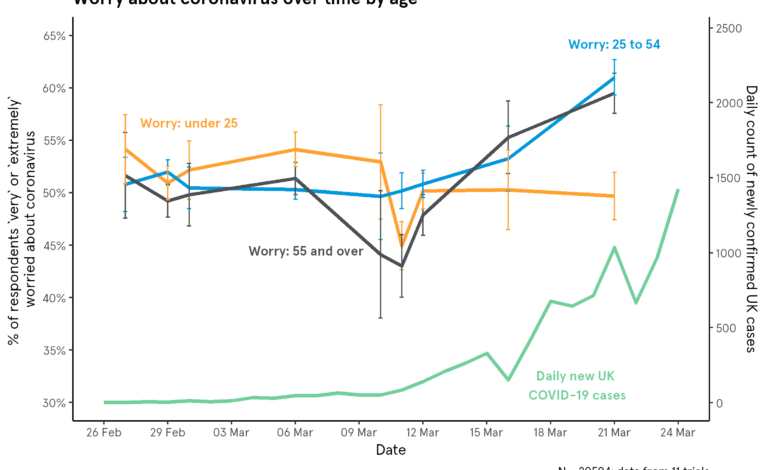
The ongoing pandemic has undeniably influenced the mental health of individuals across the globe, with rising COVID-19 statistics exacerbating feelings of anxiety, stress, and uncertainty. As confirmed cases and hospitalizations fluctuate, many people find themselves in a state of constant worry about their health as well as the well-being of their loved ones. This persistent concern can lead to a range of psychological symptoms including heightened anxiety, feelings of helplessness, and increased isolation.
Research shows that prolonged exposure to uncertainty can significantly affect mental well-being. The fear of the unknown, combined with the barrage of distressing news cycles, creates an environment ripe for emotional turmoil. Many individuals report difficulty in concentrating, maintaining daily routines, and feeling trapped within their own thoughts as they grapple with the implications of rising COVID numbers. As these statistics climb, it serves as a stark reminder of the shared vulnerability experienced by society.
To address the psychological effects brought on by fluctuating COVID-19 numbers, it is crucial for individuals to actively seek coping strategies. Engaging in healthy routines, such as regular exercise, ample rest, and balanced nutrition, can contribute to improved mental resilience. Additionally, practicing mindfulness techniques, such as meditation or deep breathing exercises, can facilitate emotional regulation and provide a sense of grounding amidst the chaos. Furthermore, connecting with others, whether through virtual meetings or family chats, can mitigate feelings of isolation and foster support networks that are vital during challenging times.
As we navigate the mental landscape shaped by the pandemic, fostering emotional well-being through proactive measures is not only beneficial but essential for overcoming the psychological challenges posed by rising COVID-19 numbers.
What Individuals Can Do: Personal Responsibility and Safety Measures
As COVID-19 numbers continue to raise concerns, it is imperative for individuals to take personal responsibility to reduce transmission and safeguard their communities. Adhering to safety measures can significantly impact public health outcomes. One of the most effective strategies is wearing masks in public settings, especially indoors or in crowded environments. Masks serve as a barrier, reducing the likelihood of viral transmission.
In addition to mask-wearing, maintaining social distancing is crucial. Individuals should aim to keep a safe physical distance—generally at least six feet—between themselves and others. This practice helps to minimize the chances of contact with respiratory droplets that may carry the virus. Furthermore, it is advisable to limit gatherings and choose outdoor settings when social interactions are unavoidable.
Another critical aspect of combating the spread of COVID-19 involves personal hygiene. Individuals should be diligent about frequent handwashing with soap and water for at least 20 seconds, particularly after being in public places. When soap is not available, using hand sanitizer that contains at least 60% alcohol is a suitable alternative. It is also essential to refrain from touching the face, especially the eyes, nose, and mouth, to prevent the virus from entering the body.
Staying informed about local health guidelines and vaccination options is equally important. Communities may have specific protocols in place based on current COVID trends, and understanding these measures can help individuals navigate their daily activities more safely. Vaccination is a powerful tool against COVID-19, and individuals are encouraged to stay up-to-date with available vaccines. By taking these proactive measures, individuals can contribute to protecting themselves and the health of those around them.
Conclusion: The Path Forward Amidst Uncertainty
As we navigate the unpredictable landscape of the COVID-19 pandemic, it is essential to reflect upon the worrying signs emerging from the latest data. These trends present not only challenges but also opportunities to reshape our approach to public health in an ever-evolving situation. The continuous monitoring of COVID numbers is paramount, as it enables us to identify potential spikes, variants, and other factors that could significantly impact our collective health.
Community action plays a crucial role in this fight against COVID-19. By encouraging individuals to remain vigilant and adhere to health guidelines, we can mitigate the spread of the virus. This includes vaccinations, mask-wearing in crowded spaces, and practicing good hygiene. Moreover, fostering a culture of shared responsibility will bolster our ability to respond effectively to fluctuations in COVID trends. It is essential for communities to foster open lines of communication and support systems, allowing individuals to seek assistance and stay informed.
Public health strategies must also remain adaptable. Policymakers need to be prepared to implement measures that align with emerging data and trends, ensuring that the population is protected effectively. This could involve re-evaluating restrictions, enhancing testing capabilities, and prioritizing healthcare resources to areas experiencing surges. It is critical for health departments to remain agile, updating strategies to reflect real-time data to safeguard public health.
In conclusion, while uncertainty may loom over the future of the pandemic, a concerted effort involving vigilance, community engagement, and flexible public health strategies can provide a pathway toward a safer existence amid the ongoing global challenge posed by COVID-19. Together, we can strive to be prepared for whatever lies ahead.